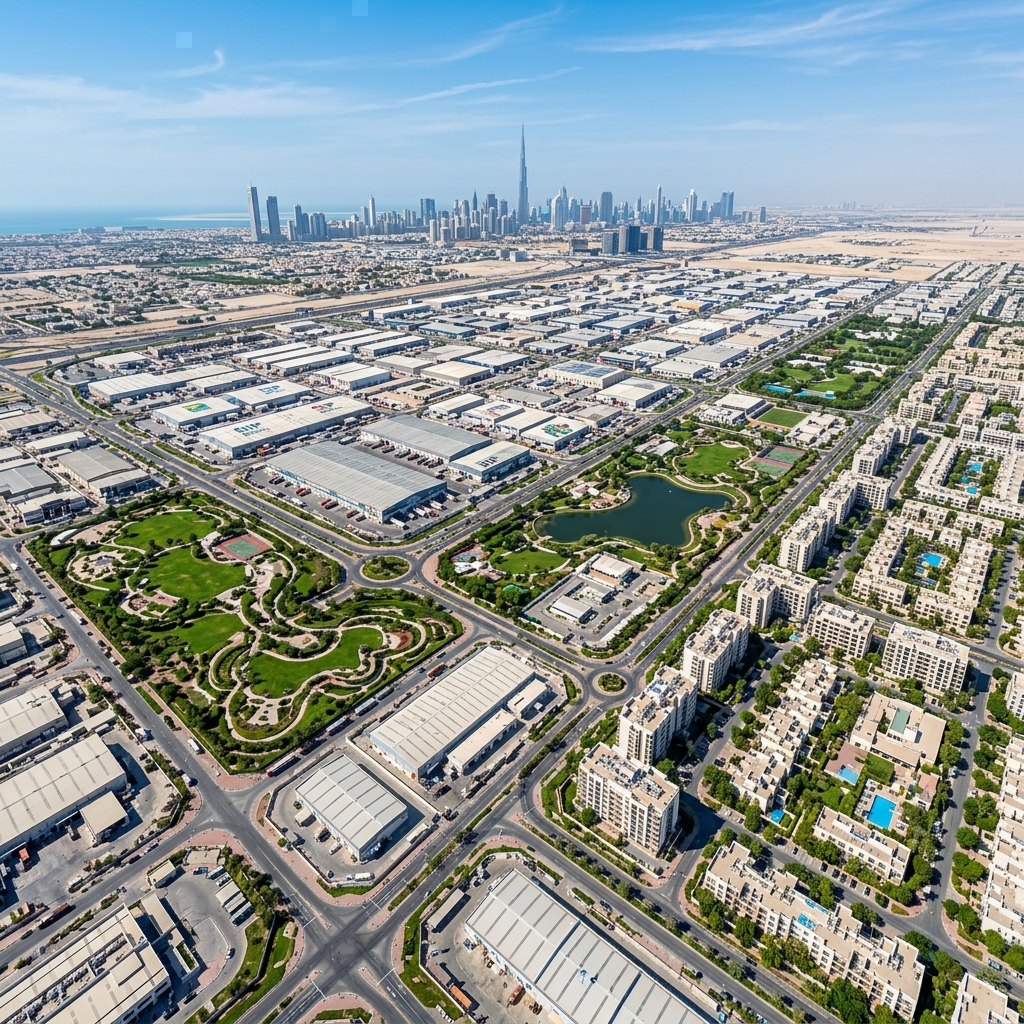
DUBAI \u2013 As the emirate\u2019s economic gravity shifts decisively toward the south, one district is proving that long-term vision pays off. Dubai Investments Park (DIP), a massive 23-million-square-metre mixed-use development, has emerged as the cornerstone of Dubai\u2019s next growth phase, sitting at the heart of a corridor defined by Expo City, Jebel Ali Port, and the Al Maktoum International Airport expansion.
Conceived in 1999 when the southern reaches of Dubai were largely untouched, DIP has spent 25 years evolving into a self-sustaining municipality. Today, it isn't just an industrial zone; it is a thriving urban ecosystem.
A Diversified Powerhouse by the Numbers
DIP\u2019s scale is staggering, functioning more like a small city than a traditional business park. Its integrated model serves four critical sectors: logistics, industrial, commercial, and residential.
- Tenant Base: Approximately 1,000 main tenants and 5,000 active sub-tenants, ranging from global multinationals to local SMEs.
- Population: Over 150,000 residents living in a mix of villas, apartments, and staff accommodations.
- Occupancy: Reached a near-perfect 99.9% occupancy rate in 2025, maintaining high stability over the last five years.
- Private Investment: Tenants have poured roughly Dh42 billion into building their own factories, warehouses, and offices within the park.
"This was built step by step, with a long-term view of what Dubai would need," says Omar AlMesmar, General Manager of Dubai Investments Park. "If people are going to work here for decades, they need places to live, learn, shop, and access healthcare."
A Unique "Infrastructure-First" Business Model
Unlike traditional real estate developers who build and sell properties, DIP operates on a landlord-utility model. The park leases land on long-term contracts\u2014often 30 years or more\u2014providing the "ground" and the essential infrastructure, while tenants finance and construct their own facilities.
This approach transforms DIP into an infrastructure-like business rather than a speculative property play. By avoiding the costs of "above-ground" development, DIP maintains lower capital expenditure and insulates itself from the volatility of the broader property market.
Infrastructure highlights include:
- 103 kilometres of internal road networks.
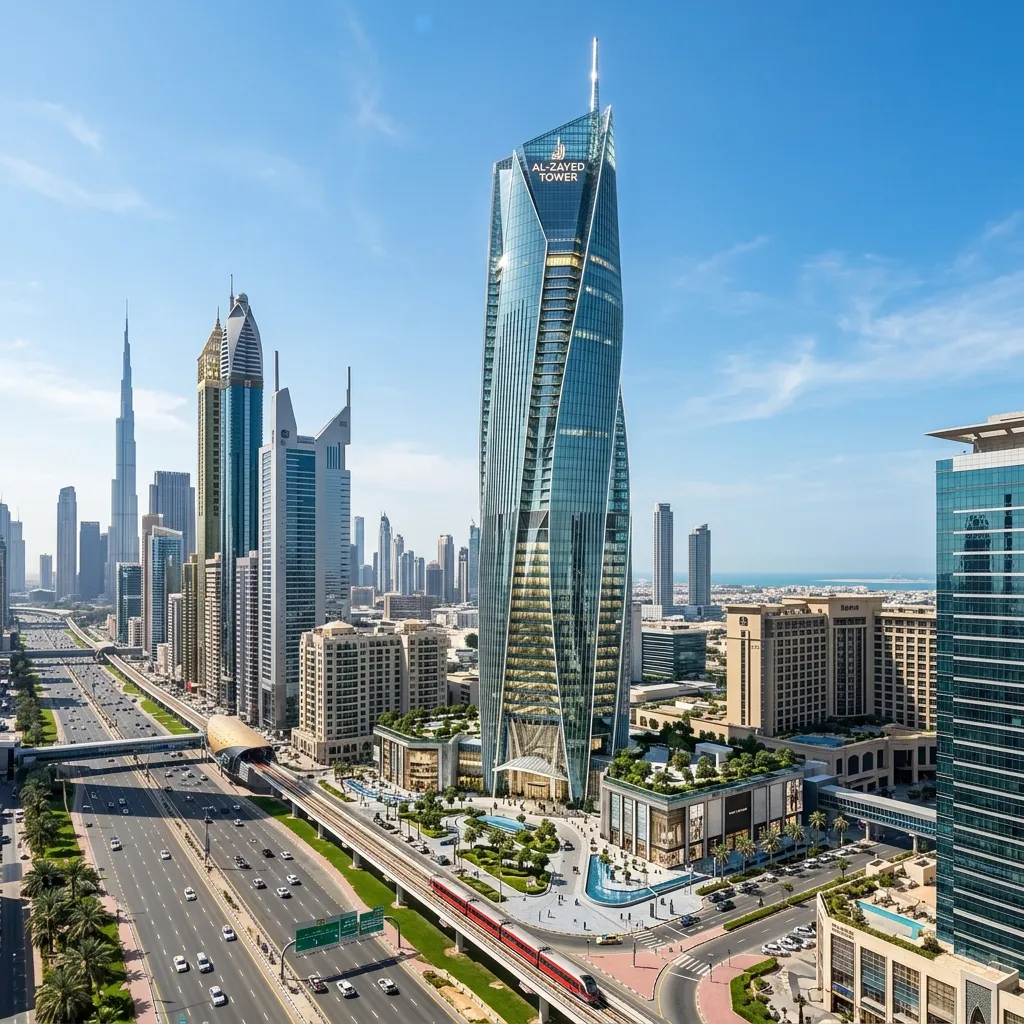
- A dedicated Metro station connecting the district to the wider city.
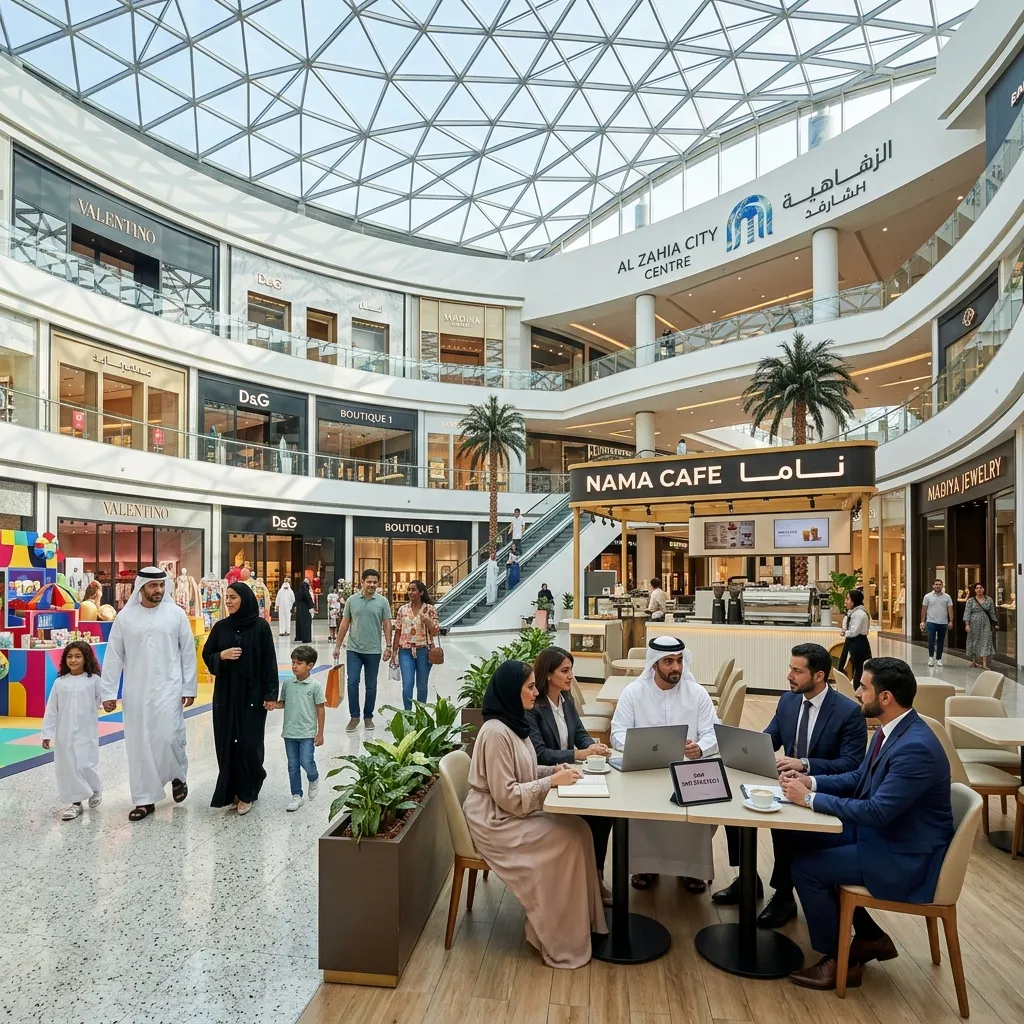
- Comprehensive community facilities including schools, medical clinics, and retail centres.
Aligning with Dubai\u2019s D33 Agenda
DIP\u2019s evolution mirrors the goals of Dubai\u2019s Economic Agenda (D33), which seeks to double the size of the emirate's economy by 2033. By providing "infrastructure-ready" land, the park has become a vital hub for manufacturing and supply chains across the UAE.
"DIP has grown alongside Dubai\u2019s economic priorities," AlMesmar explains. "Manufacturing, logistics, and commerce all need long-term, well-run infrastructure. That is what we provide."
The Road Ahead: Organic Growth
As Dubai\u2019s southern corridor accelerates, DIP enters its next chapter from a position of maximum capacity. Future growth is expected to be organic and internal. As long-term leases mature, renewals are being aligned with current market benchmarks, while existing tenants are increasingly upgrading their facilities for higher-value industrial uses.
With its strategic location between the world\u2019s busiest ports and upcoming aviation hubs, Dubai Investments Park is no longer just a "project" in the south\u2014it is the finished engine room of Dubai\u2019s industrial future.