The Numbers Behind the Boom
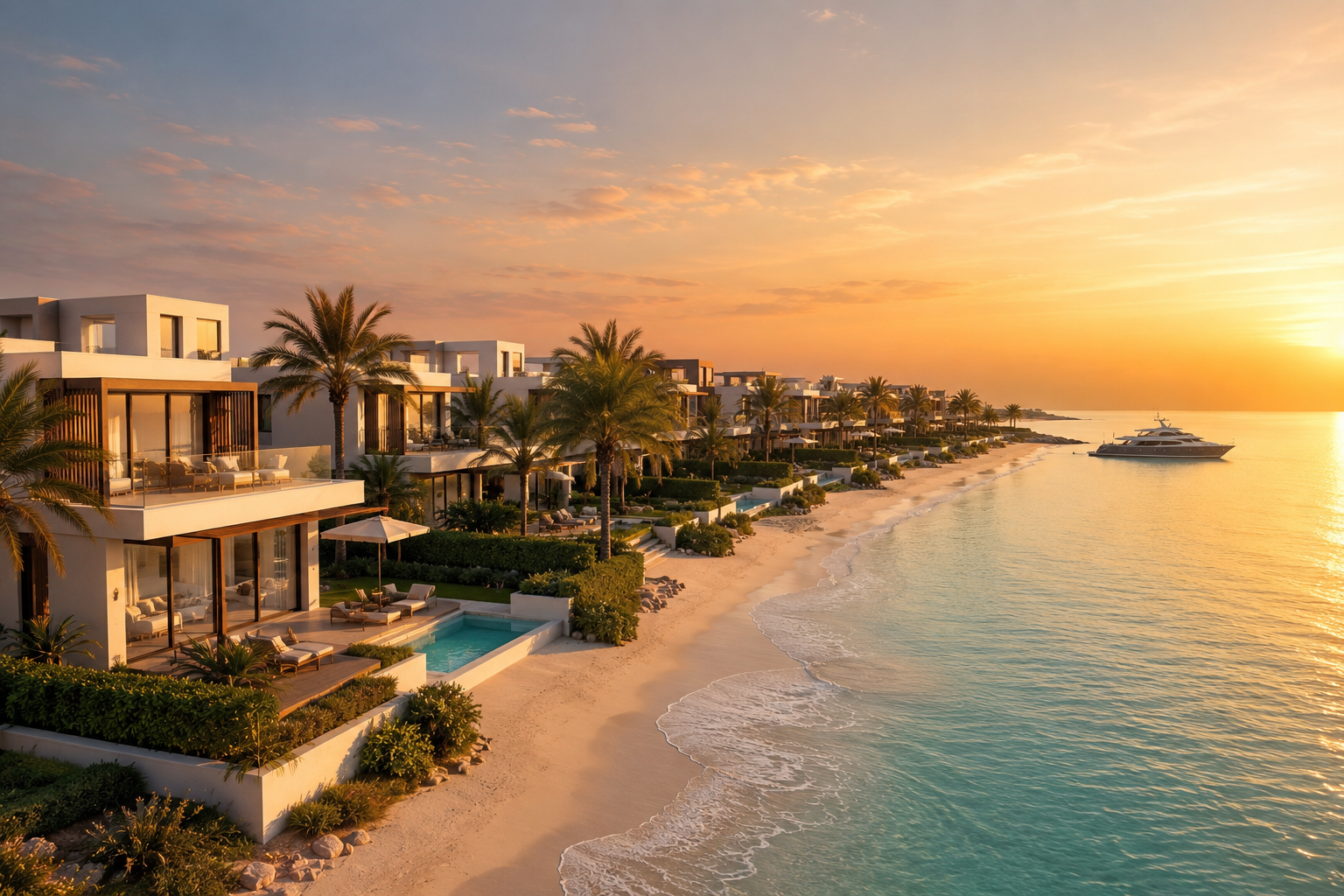
Dubai's waterfront segment is once again outrunning the wider property market. Prices for prime beachfront homes have risen by more than 140 percent over the last five years, a pace that puts the category well ahead of most other residential segments in the emirate. The growth is not evenly spread. It is concentrated in a small number of addresses where supply simply cannot keep up with demand.
Quick Facts
- Prime waterfront prices up more than 140 percent over five years
- Palm Jumeirah remains the standout performer within the category
- Growth driven by scarce resale inventory and steady international buyer demand
- Tax-friendly environment and modern infrastructure continue to support long-term values
Why Palm Jumeirah and Similar Addresses Keep Winning
Palm Jumeirah has led the market's growth, benefiting from a shortage of resale stock and continued interest from international investors. This is not a new story, but the scale of it is becoming harder to ignore. A single beachfront plot on Naïa Island recently changed hands for a record sum, a transaction we covered in detail in our report on Dubai's record Dh377 million beachfront plot sale, which underlined just how tight competition has become for the very best coastal addresses.
What Is Driving Demand Right Now
Industry professionals note a shift in what today's buyers are actually looking for. Investment returns still matter, but lifestyle factors, private beach access, panoramic sea views, and premium amenities are increasingly deciding which properties sell fastest and at what premium. That shift is part of a broader trend our team explored in Dubai's property market growing up around long-term living, where end-users rather than pure investors are becoming a bigger share of demand.
Dubai's tax-friendly structure, absence of personal income tax, and reputation as a global business hub continue to underpin appetite from overseas buyers, even as broader global markets stay volatile.
Supply Squeeze: Why Prices Are Unlikely to Cool Soon
| Factor | Effect on Waterfront Prices |
|---|---|
| Limited beachfront land | Creates structural scarcity that new inland supply cannot offset |
| Low resale turnover | Owners hold rather than sell, tightening available stock further |
| International capital inflows | Sustains demand even when local market sentiment softens |
| Rising construction activity | Adds new stock, but concentrated mostly outside prime beachfront zones |
New developments are being introduced across the emirate, a trend visible in our coverage of UAE developers speeding up construction as regional tensions ease. But the number of true prime beachfront homes remains small relative to buyer interest, which is exactly why analysts expect waterfront values to stay resilient even if broader price growth moderates.
What This Means for Investors and Developers
For developers, the message is straightforward: coastal land remains the most defensible asset class in the portfolio. For investors, waterfront exposure continues to behave less like a cyclical bet and more like a scarce, appreciating store of value. The wider commercial picture is just as strong, as shown by our recent report on Dubai's office market posting a record Dh13.1 billion half-year, reinforcing that real estate confidence in the emirate extends well beyond residential coastlines.