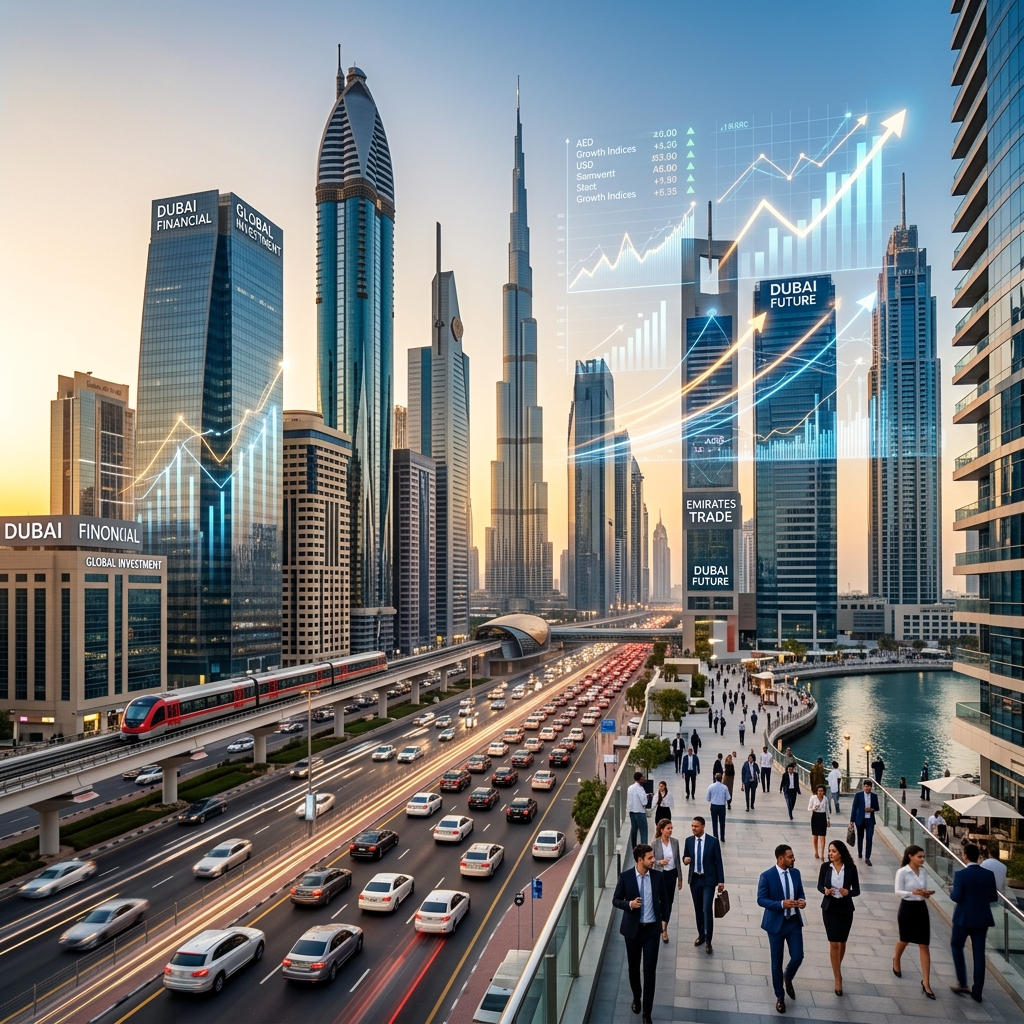
Dubai is reinforcing its reputation as a global economic powerhouse with the approval of a massive Dh1 billion incentive package and a suite of social reforms. On the heels of a stellar 2025—which saw the emirate's GDP soar to Dh937 billion—the Dubai Executive Council has laid out a roadmap designed to ease financial pressure on businesses while elevating the quality of life for its diverse workforce.
Starting April 1, 2026, these initiatives represent a sophisticated blend of immediate financial relief and long-term structural evolution. Here is an in-depth look at the five pillars of Dubai’s latest strategic rollout.
1. The Dh1 Billion Relief Injection
The headline of the announcement is a Dh1 billion economic incentive package set to run for three to six months. This isn't just a cash injection; it is a calculated effort to improve liquidity across the private sector.
- Fee Deferrals: Key government fees will be postponed for three months, allowing businesses to retain capital for operations.
- Tourism Support: Hotels are granted a grace period for sales fees and the "Tourism Dirham," a vital move for a city that remains a top-tier global travel destination.
- Customs & Residency: The grace period for customs data is tripling—from 30 to 90 days—while residency permit processes are being streamlined to ensure the "global hunt for talent" continues to lead straight to Dubai.
2. A Data-Driven Future: Modernizing GDP
Dubai’s economy grew by a robust 6.4% in Q4 2025, but the government isn't resting on those numbers. The Council approved a revised methodology for measuring GDP to ensure that the emirate's data is as cutting-edge as its skyline. By broadening statistical coverage and utilizing more comprehensive databases, Dubai aims to provide investors with the most accurate, transparent reflection of actual economic activity possible.
3. "Virtual Warehouses": Revolutionizing the Art and Trade Sector
In a move that will delight the global arts community and high-value traders, the Virtual Warehouses Initiative is set to remove traditional barriers to trade.
- Tax Exemptions: Artworks will be exempt from customs duties and financial guarantees under a new temporary admission system.
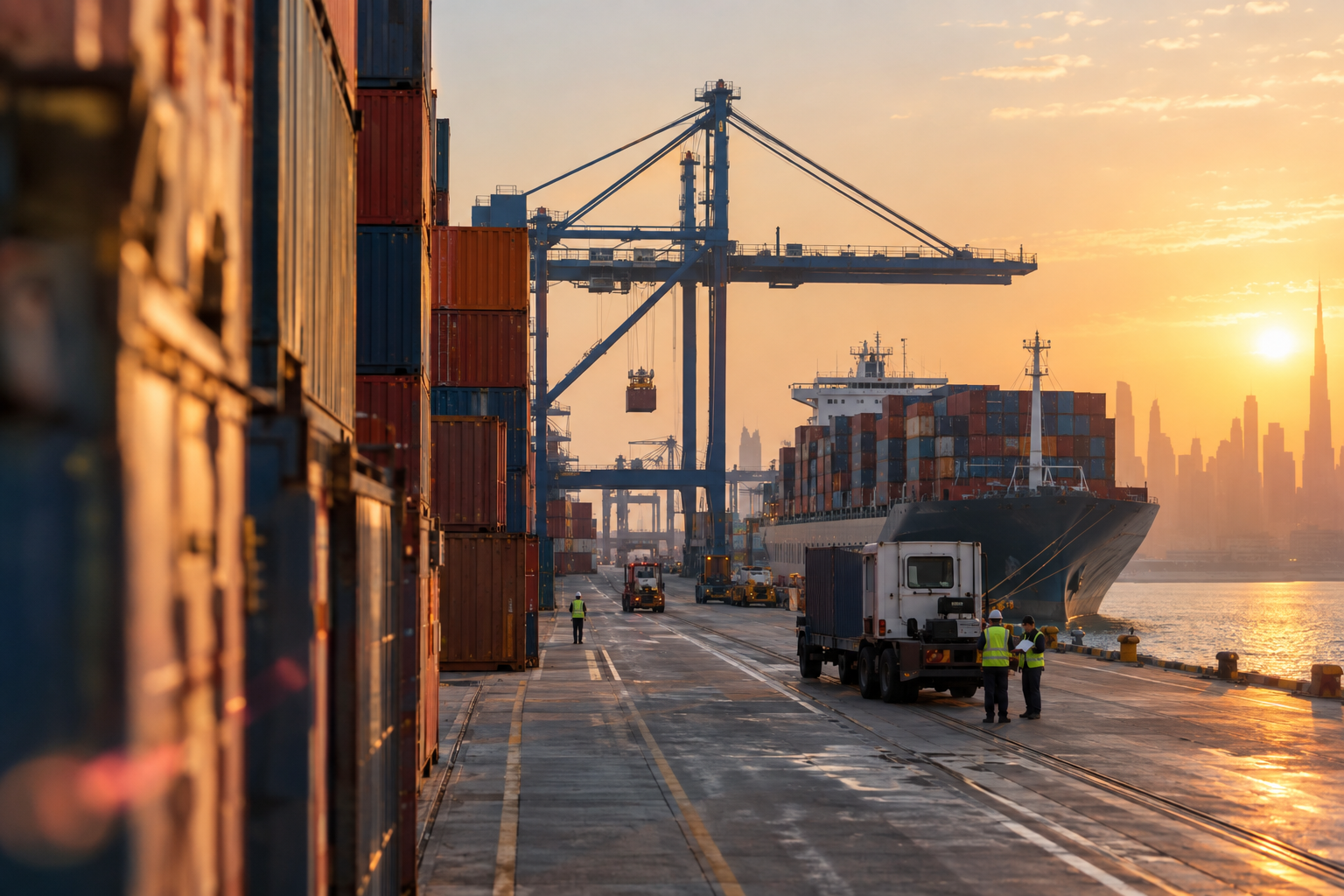
- Digital Tracking: Utilizing high-tech virtual copies and tracking, high-value goods can move more freely without the previous geographic restrictions, effectively turning the entire city into a seamless trade zone.
4. The Dubai Empowerment Strategy
The human element remains at the core of Dubai’s 2026 economic vision. Supervised by the Community Development Authority, this strategy is an evolution of a program that has already created over 7,000 jobs for Emiratis.
- Dual-Track Support: The strategy focuses on both traditional job seekers and the rising "home-based entrepreneur" class.
- Collaborative Growth: By partnering with over 400 private and government entities, the goal is to ensure that economic success translates directly into higher living standards and financial stability for citizens.
5. Elevating the Foundation: Worker Safety 2033
Aligning with the Dubai 2040 Urban Master Plan and international labor standards, the Council has greenlit a comprehensive Health and Safety Strategy for Workers’ Accommodation.
The goal is ambitious: Full compliance with international health and safety standards by 2033. By ensuring that all worker accommodations have access to essential services and meet rigorous safety benchmarks, Dubai is positioning its urban development as both a humanitarian and economic success story.
"Dubai’s strengths are structural," as many local leaders often say. With this latest set of approvals, the emirate is proving that its resilience isn't just about weathering storms—it’s about actively building the infrastructure to stay ahead of them.