The Evolution of Influence
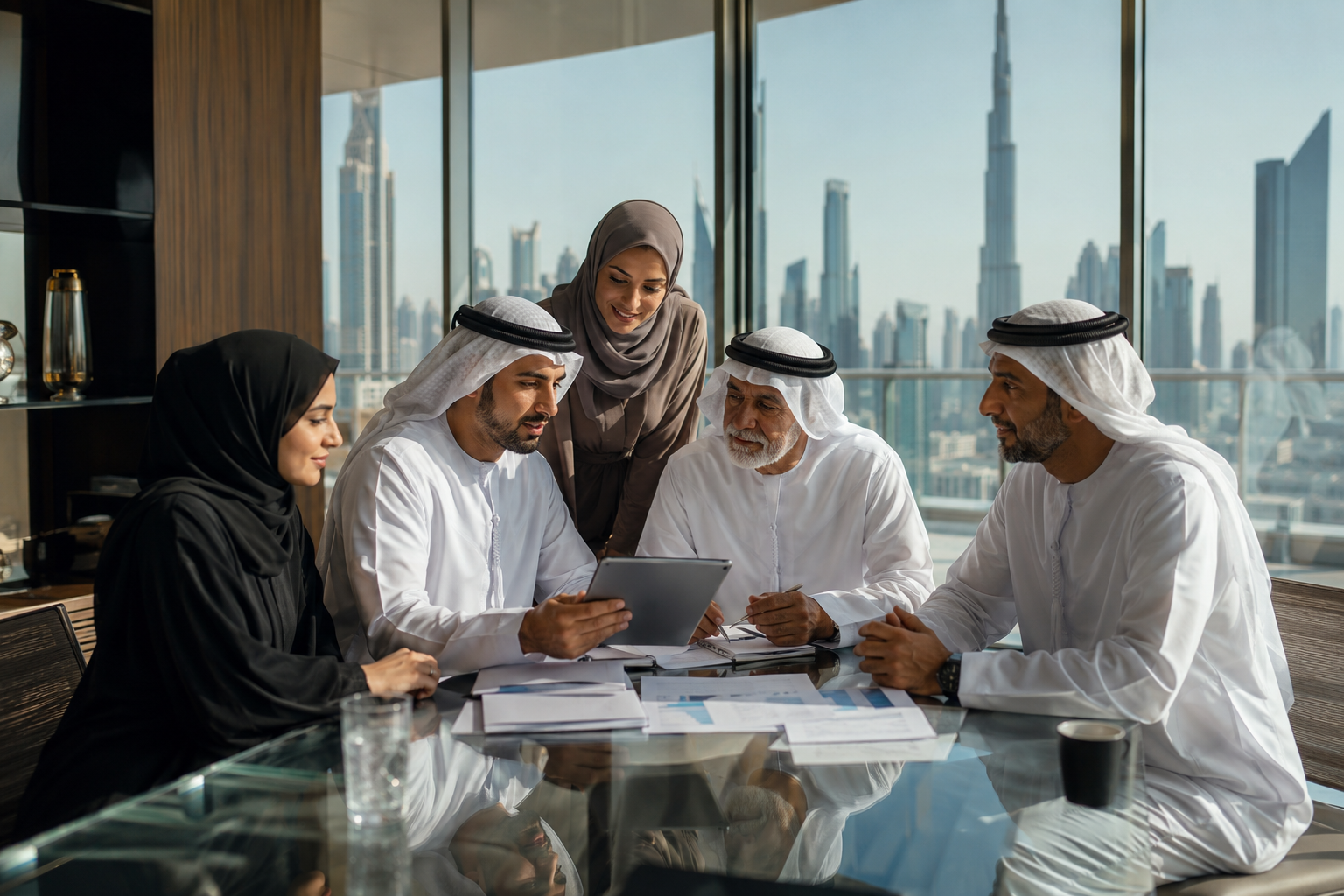
DUBAI — The world's premier financial centers have traditionally been defined by the depth of their capital pools. However, in 2026, a new metric of success has emerged in the Gulf Cooperation Council: cognitive diversity. The region is no longer merely a destination for wealth; it has become a laboratory where global ideas are exchanged, refined, and deployed.
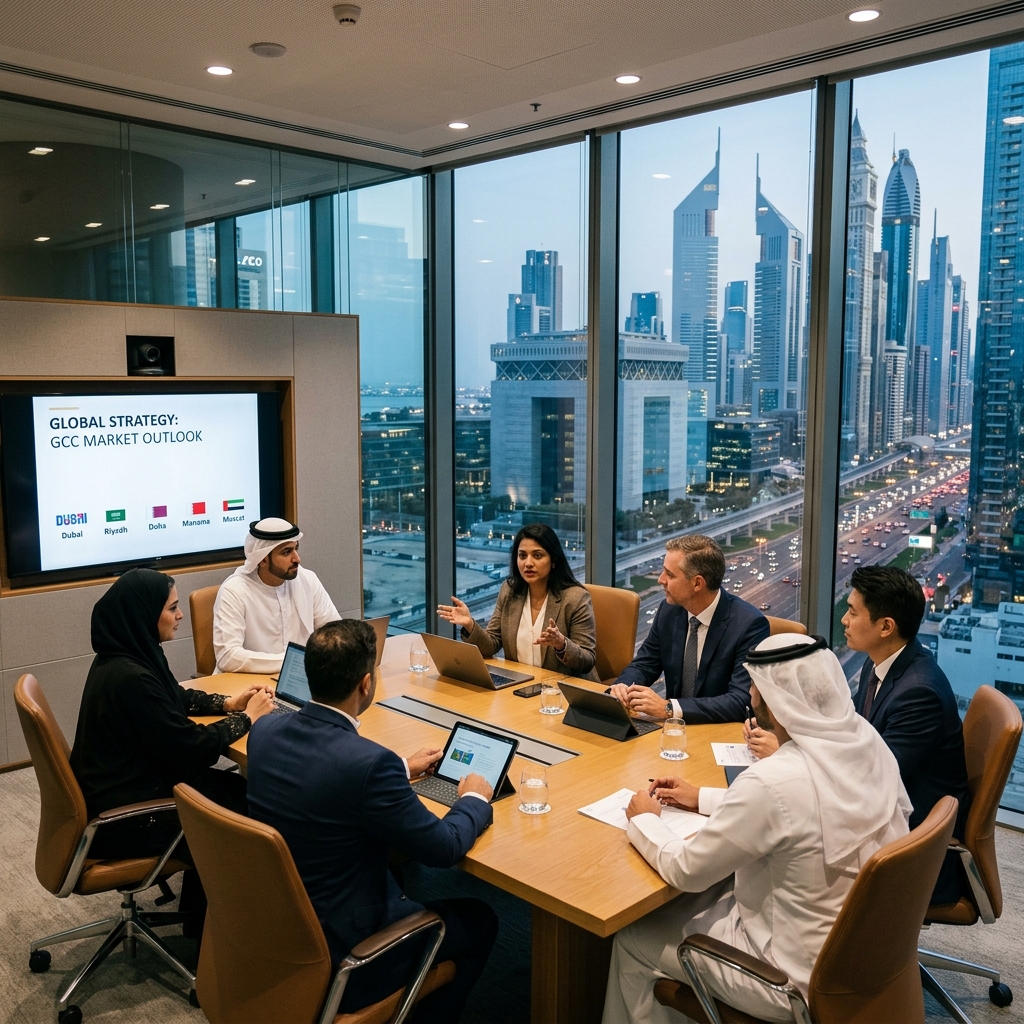
From Riyadh to Dubai, the edge of the GCC is increasingly found in its cultural fusion — a unique blend of human capital that allows for more sophisticated risk assessment and global calibration than traditional, often siloed, Western hubs.
The Tri-Continental Thinking Model
In the boardrooms of the DIFC, ADGM, and King Abdullah Financial District (KAFD), business is no longer conducted through a singular lens. A new "Gulf Style" of decision-making has emerged, characterized by three distinct influences:
- Asian Growth Instincts: A focus on scale, speed, and long-term infrastructure plays.
- European Regulatory Discipline: A commitment to transparency, ESG frameworks, and rigorous compliance.
- Middle Eastern Relationship Equity: A foundation of trust and long-term partnership that transcends transactional cycles.
A Strategic Base for Global Capital Flows
Capital is no longer local, and the GCC has positioned itself as the primary meeting point for shifting global wealth. Asian investors are increasingly utilizing the GCC as a permanent base for long-term deployment into Africa and Europe. European institutions are treating the Gulf as a preferred safe haven for managing institutional assets. Meanwhile, local family offices are becoming more outward-looking, creating a hybrid investment philosophy.
From Capital Destination to Capital Management
Perhaps the most significant shift in 2026 is the change in global perception. The Gulf has successfully transitioned from being a "source of funds" to a "source of expertise."
"The GCC is being recognized as a place where capital is understood — where it can be structured, managed, and deployed with a level of sophistication that rivals London or New York."
This is driven by a reduction in professional friction. Professionals from diverse backgrounds are developing a shared language of business, resulting in faster execution and higher clarity for international firms navigating the region.
Conclusion: The Connection Economy
The next generation of financial hubs will be defined by their ability to adapt and connect. The GCC is building this capability not just through impressive physical infrastructure, but through its people. The region's cultural fusion is no longer a byproduct of its growth — it is the primary driver. By making it easier for capital, ideas, and people to move with trust, the GCC is quietly, yet convincingly, redefining what it means to be a global financial power in the 21st century.