The Crash That Didn't Come
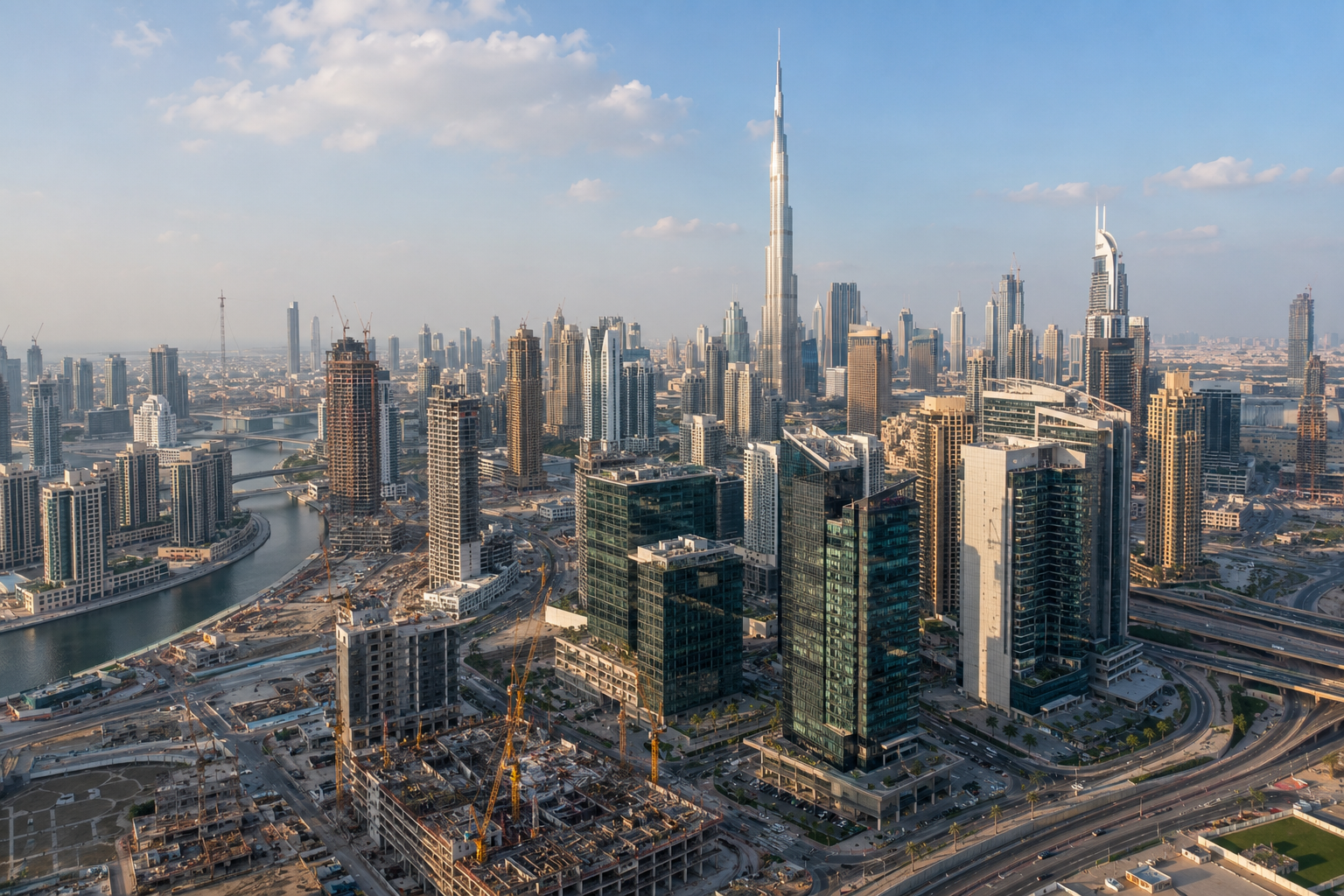
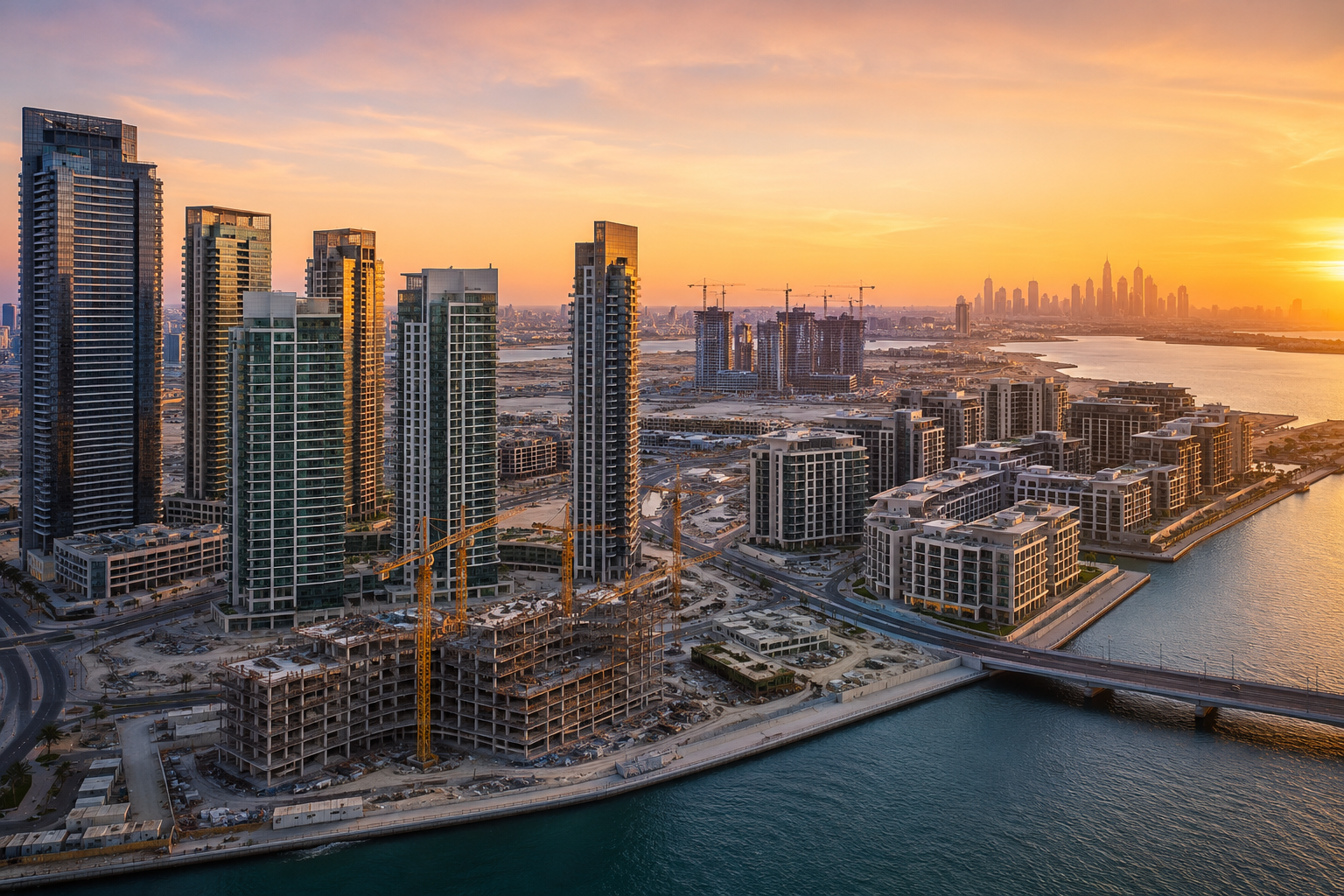
Every few months, someone predicts the Dubai property correction. And every time, the data tells a different story. Despite global economic uncertainty and the inevitable slowdown that followed recent regional tensions, Dubai's real estate market has not cracked. No wave of distressed sellers. No fire-sale listings flooding the market. Just a steady, maturing sector doing what mature markets do, adjusting calmly.
What Experts Are Actually Seeing on the Ground
Luke Remington, Managing Director at Haus & Haus, puts it plainly: "There's more analysis and more negotiation, but not the kind driven by distress. Buyers want fair value, not fire sales."
That distinction matters enormously for B2B investors, developers, and decision-makers. The market isn't frozen; deals are happening, but buyers are taking longer to decide, doing more due diligence, and negotiating harder. That's not a crash. That's maturity.
Where Demand Is Strongest
The clearest signal of health is where demand has stayed stubbornly high even as global sentiment dipped:
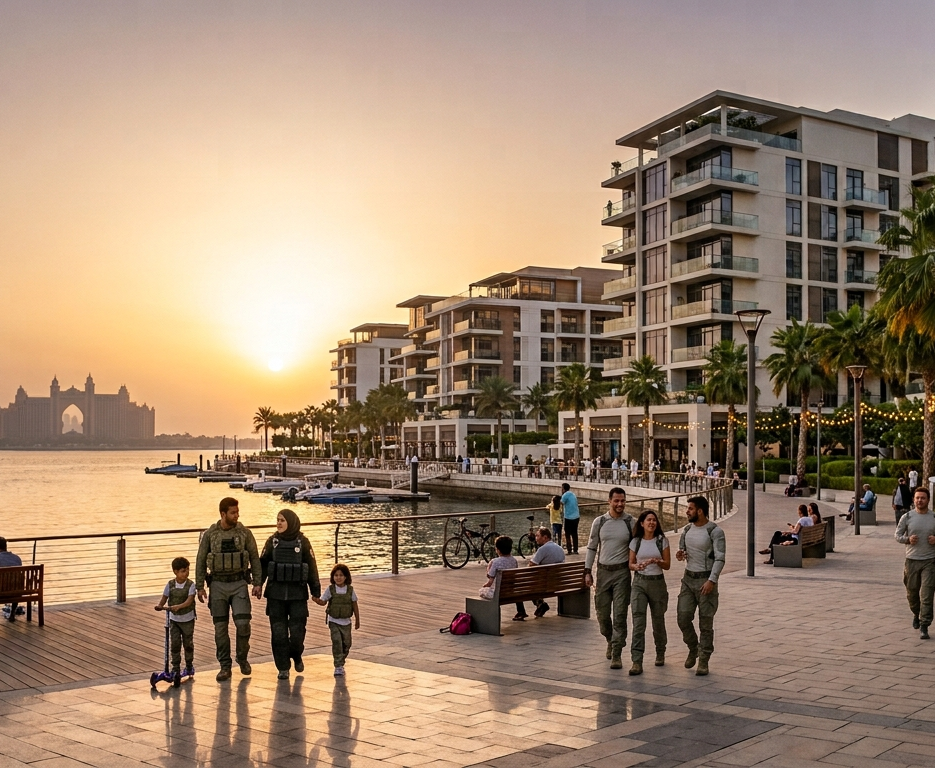
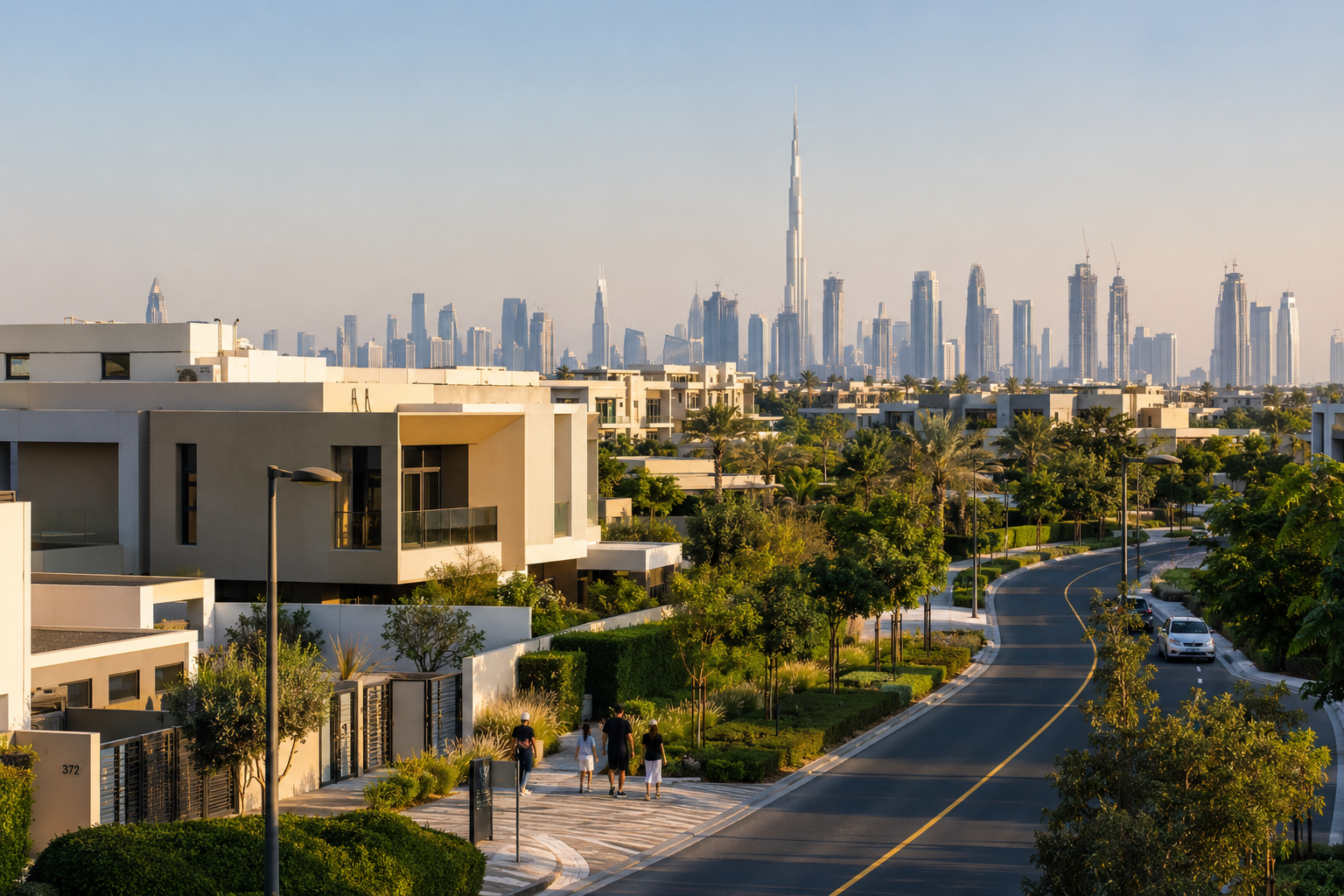
Villas (Dubai Hills Estate, Palm Jumeirah, Arabian Ranches): Supply is tight, sellers are financially secure, and pricing pressure is minimal. Family living in established communities remains the most resilient segment.
Prime Apartments (Dubai Marina, Downtown, Business Bay): Holding steady. Some mid-market inventory has grown, allowing modest pricing flexibility, but adjustments remain controlled.
The "5% to 15%" Rule
Current transactions are typically closing within 5% to 15% of peak market values. Fibha Ahmed, Vice President of Property Sales at Bayut, notes: "Many expected uncertainty to trigger a wave of discounted inventory, but that hasn't materialised." Both buyers and sellers are recalibrating in a disciplined, non-panicked way.
Why This Market Isn't Repeating Old Cycles
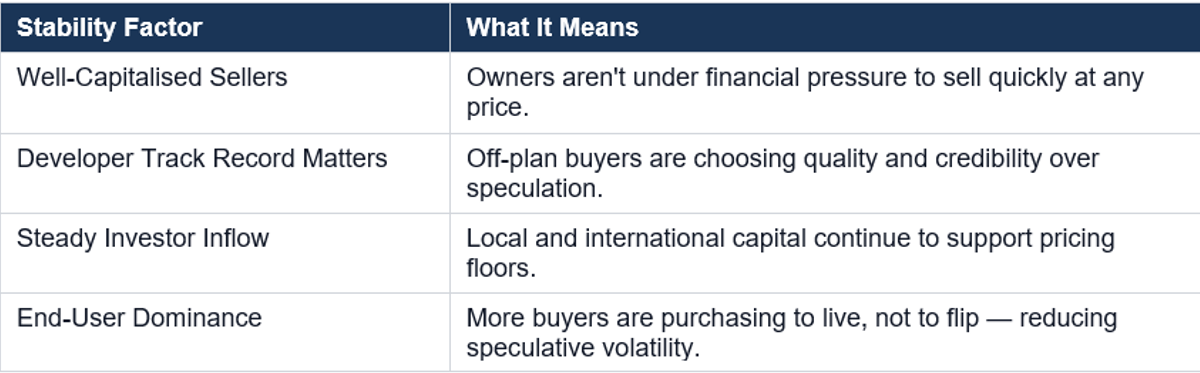
The Bottom Line for Investors
The conversation in Dubai real estate has shifted, as Remington puts it, "from timing the market to understanding value within it." For B2B buyers, developers, and fund managers watching this space: the fundamentals are intact. The window for distressed bargains may not arrive. But the window for considered, value-driven acquisition is open right now.