The Great Return: Post-Conflict Travel Rebound
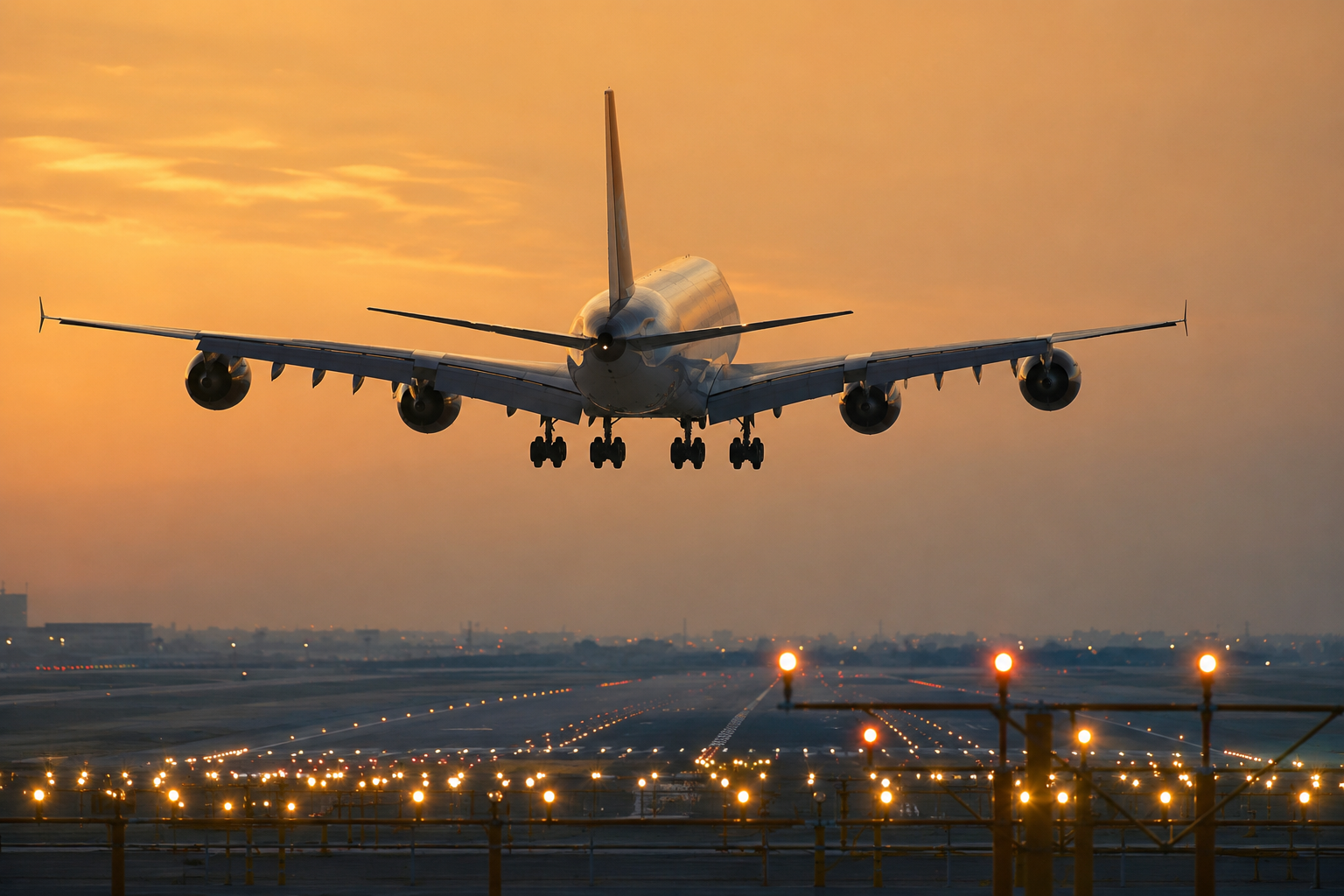
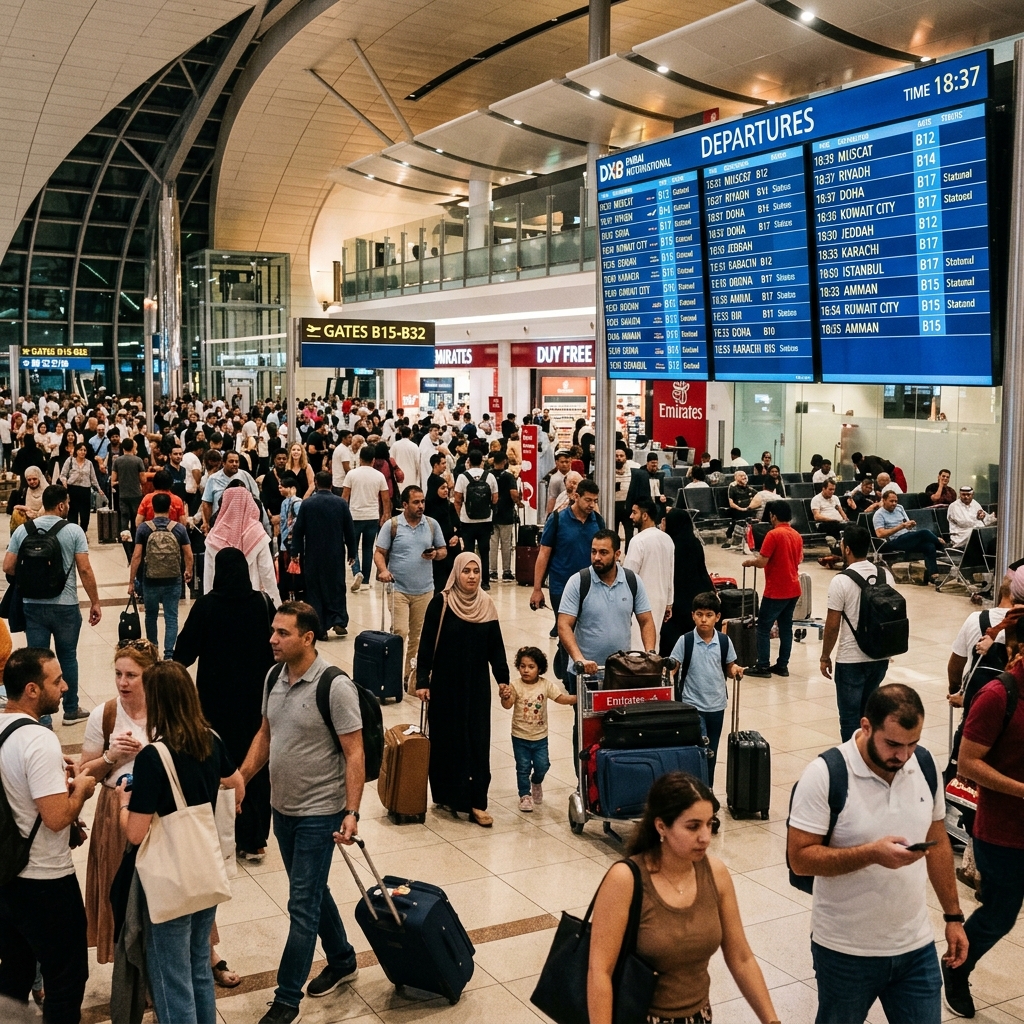
DUBAI — The United Arab Emirates is witnessing a significant spike in inbound travel demand as the academic year resumes and regional tensions show signs of stabilizing. Following a volatile period in late March and early April 2026 — marked by airspace closures and rerouting due to regional conflict — thousands of residents are now navigating a congested return to the country.
Travel experts note that the current surge is driven by a "double-wave" of travelers: families returning from spring breaks and a massive backlog of passengers who were stranded or delayed by the previous month's flight cancellations.
The Supply-Demand Imbalance
While passenger confidence is returning, the aviation infrastructure is struggling to keep pace. The current market is defined by a sharp "scissors effect" where soaring demand meets restricted airline capacity.
Key Capacity Indicators:
- Reduced Frequency: Some major carriers saw daily operations plummet significantly during the height of the disruptions.
- Route Phasing: Full capacity for European and Turkish carriers is not expected until May 5, 2026.
- Pricing Pressure: Limited seat availability has kept economy fares elevated, with many regional routes starting at a baseline of Dh2,000.
"Demand is strong, but supply hasn't fully come back yet. Airlines are reopening routes in phases, leading to a continuing supply challenge." — Raheesh Babu, COO of Musafir.com
Regional Airspace and Operational Realities
Airlines are currently operating in a "fragile environment." To maintain safety and connectivity, UAE-based carriers like Emirates and Air Arabia are utilizing adjusted flight paths and special corridors to bypass restricted airspaces.
Rerouting Impacts:
- Increased Costs: Longer flight paths have led to higher fuel consumption, driving up ticket prices.
- Extended Flight Times: Commutes to Europe and Central Asia have seen duration increases of 15% to 30%.
- Logistical Constraints: The reliance on limited "safe corridors" naturally caps the number of flights that can be in the air simultaneously.
Emerging Trends: The Return of Leisure Travel
Despite the logistical hurdles, outbound leisure interest is beginning to solidify for the upcoming Eid period. Travel agents report steady bookings for short-haul, "visa-friendly" destinations. Georgia (Tbilisi), Azerbaijan (Baku), and Kazakhstan (Almaty) remain top picks for UAE residents seeking accessible summer breaks. Air Arabia has announced a resumption of services to Tashkent and Yerevan starting May 1, 2026.
Forecast: A Fragile Recovery
The outlook for the remainder of Q2 2026 remains busy but cautious. Travel agents expect inbound pressure to persist through mid-May as the backlog clears. For UAE residents, the industry message is clear: book early and expect higher-than-average fares until at least the end of May, when airline capacity is projected to return to 90% of pre-conflict levels.