If you fly Emirates regularly, here is something worth knowing: Airbus has issued an immediate inspection order covering 16 of its A380 superjumbo aircraft after cracks turned up in a critical part of the wing structure during routine maintenance. The directive comes from the European Union Aviation Safety Agency (EASA), and the checks are already underway.
What Was Found and Where
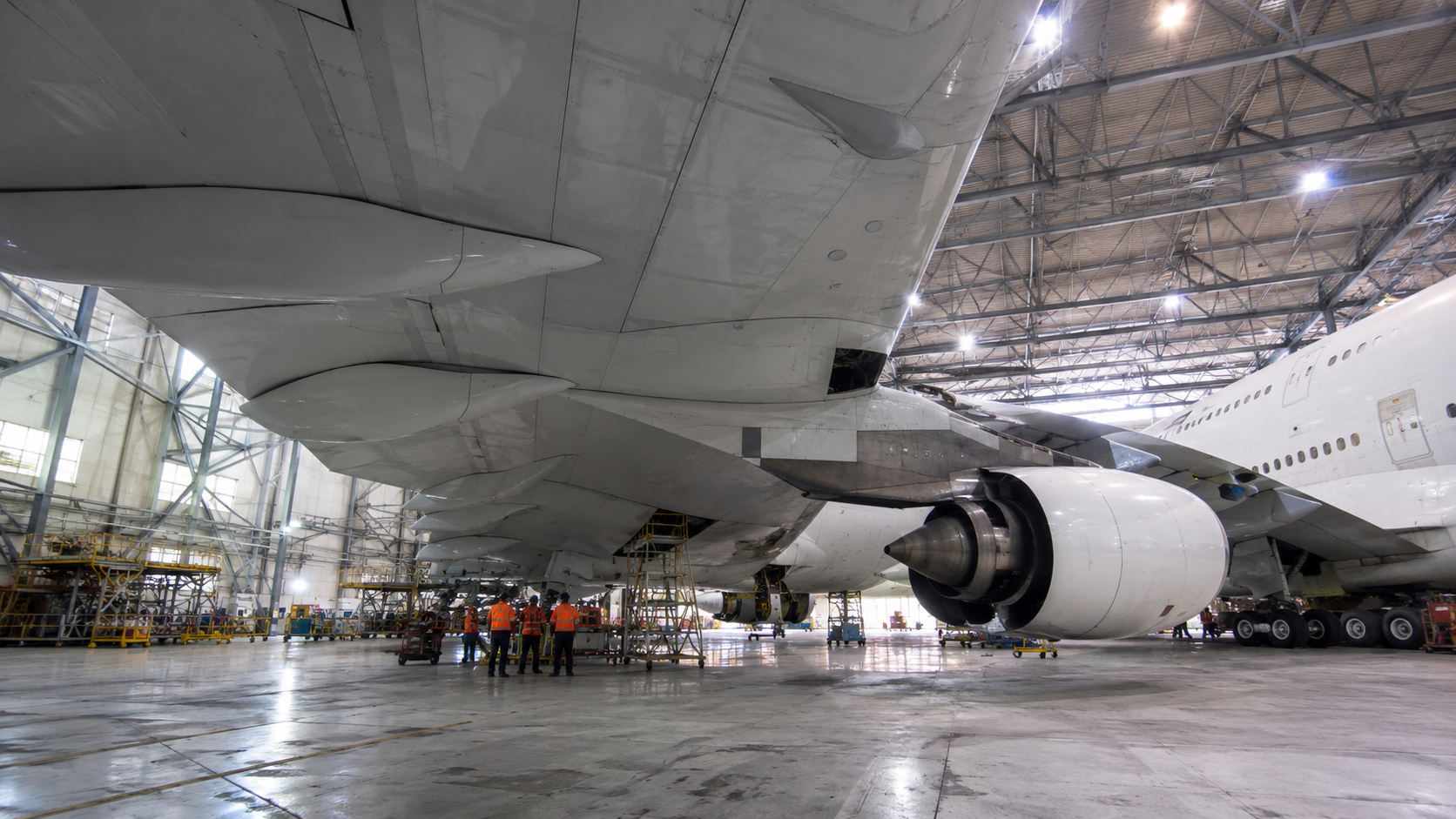
The cracks were discovered in the wing-spar structure inside the A380. The spar is essentially the spine of the wing, a massive load-bearing beam that carries the aerodynamic forces generated during flight. It is not a minor component. Airbus identified the issue after EASA issued an inspection directive in late 2025, and the findings have now been confirmed across a group of aircraft that share the same production history. For more context on how global aviation regulators operate, the EASA official site maintains all active airworthiness directives.
Which Aircraft Are Affected
Of the 16 jets flagged, five need immediate inspection before their next flight cycle. The remaining 11 aircraft have a window of 25 flight cycles to complete the checks. Airbus confirmed it is coordinating the review closely with aviation regulators.
Key Detail: 5 aircraft require immediate checks. 11 more must complete inspections within 25 flight cycles. No grounding order has been issued. Airlines can continue operating their A380 fleets while complying.
The majority of the affected jets are operated by Emirates, which runs the world's largest A380 fleet out of Dubai. Other airlines currently flying the A380 include:
- Singapore Airlines
- British Airways
- Lufthansa
- Qantas
- Qatar Airways
- Korean Air
- Etihad Airways
- ANA (All Nippon Airways)
- Asiana Airlines
For the latest on Emirates fleet operations and regional aviation developments, see our Aviation coverage on Dubai Startups Daily.
Not the First Time This Has Come Up
This is not the first wing-related scare for the A380. Back in 2012, aviation regulators ordered fleet-wide inspections across the global A380 fleet after cracks emerged in brackets connecting parts of the wing structure. At the time, Airbus rolled out design modifications and a formal repair program, which appeared to resolve the issue. The current findings involve a different component but have reignited conversations about long-term structural monitoring of the aircraft type.
What Happens Next
Airbus confirmed that conversations with EASA are ongoing to determine whether repairs or additional corrective actions will follow the inspections. The outcome will decide whether a further safety directive is issued. For Dubai and the wider GCC aviation sector, where the A380 is a cornerstone of long-haul capacity, the results of these checks matter. You can track related developments on Gulf News Aviation.
| Detail | Status |
|---|---|
| Aircraft under inspection | 16 A380s |
| Immediate checks required | 5 aircraft |
| Checks within 25 flight cycles | 11 aircraft |
| Regulatory authority | EASA (European Union Aviation Safety Agency) |
| Largest operator affected | Emirates |
| Grounding order issued | No |
| Outcome decision | Pending inspection results |
Industry observers are watching closely. The A380 remains the flagship long-haul aircraft for several major carriers, and any extended maintenance requirements could affect capacity on key international routes. The next step rests with EASA and Airbus once inspection data comes in.