In the world of high-stakes real estate, uncertainty is usually the enemy. Yet, as geopolitical tensions flicker across the Middle East, Dubai’s property market is broadcasting a different message: resilience is structural, not accidental.
From record-breaking "mega-deals" to a relentless pace of new project launches, the emirate is reinforcing its reputation as an international safe harbor. While global markets navigate volatility, Dubai’s prime real estate sector is holding its composure, driven by institutional confidence and a buyer base that refuses to be swayed by short-term noise.
The Dh422 Million Vote of Confidence
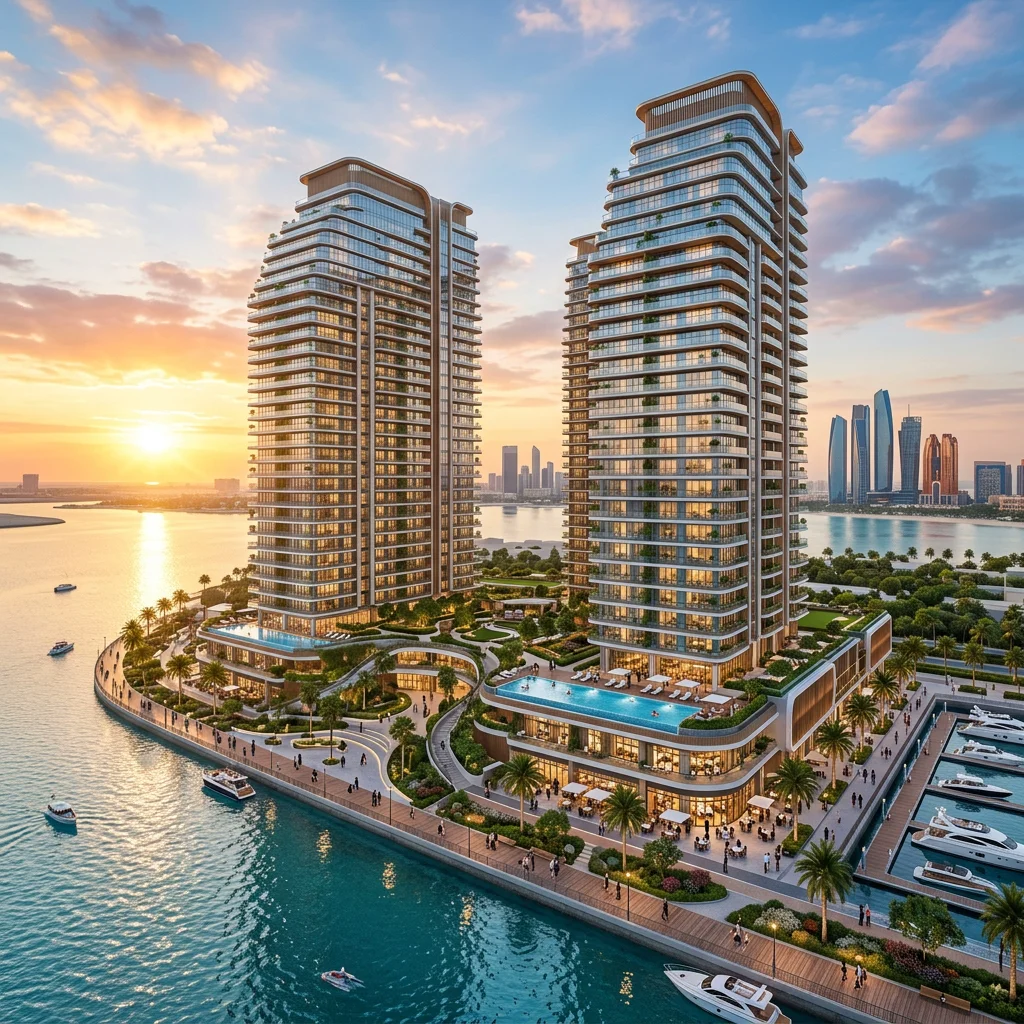
Nothing speaks louder than capital. In March, amidst regional uncertainty, a luxury penthouse on the Jumeirah Peninsula sold for a staggering Dh422 million. This wasn't an isolated anomaly; it was part of a broader surge in ultra-luxury transactions:
- La Mer (Jumeirah One): Dh350 million sale (February 9)
- The Alba Residences (Palm Jumeirah): Dh225.9 million deal (February 17)
- Peninsula Dubai Residences: Dh210 million transaction (February 5)
Experts note that closing a Dh422 million deal in the face of volatility reaffirms that investors view Dubai through a lens of confidence rather than caution.
By the Numbers: A Market with Depth
The resilience is backed by hard data. Transaction volumes climbed 42% year-on-year in the first three weeks of March alone. The market isn't just top-heavy; it shows remarkable depth across all price points:
- Dh5–10 Million: The volume leader with 650 deals totaling Dh4.54 billion.
- Dh10–20 Million: 150 transactions worth Dh1.99 billion.
- Dh20–50 Million: 79 transactions, including high-end off-plan villas.
Perhaps most telling is the sentiment among those who already own a piece of the city: 85% of Dubai landlords report having no plans to divest, signaling a deep-rooted belief in the emirate’s long-term trajectory.
"Built for Resilience"
For industry leaders, Dubai’s ability to weather storms is a result of intentional design. The UAE’s economic architecture was built specifically to act as a global hub. Recovery here is often measured in days, not months.
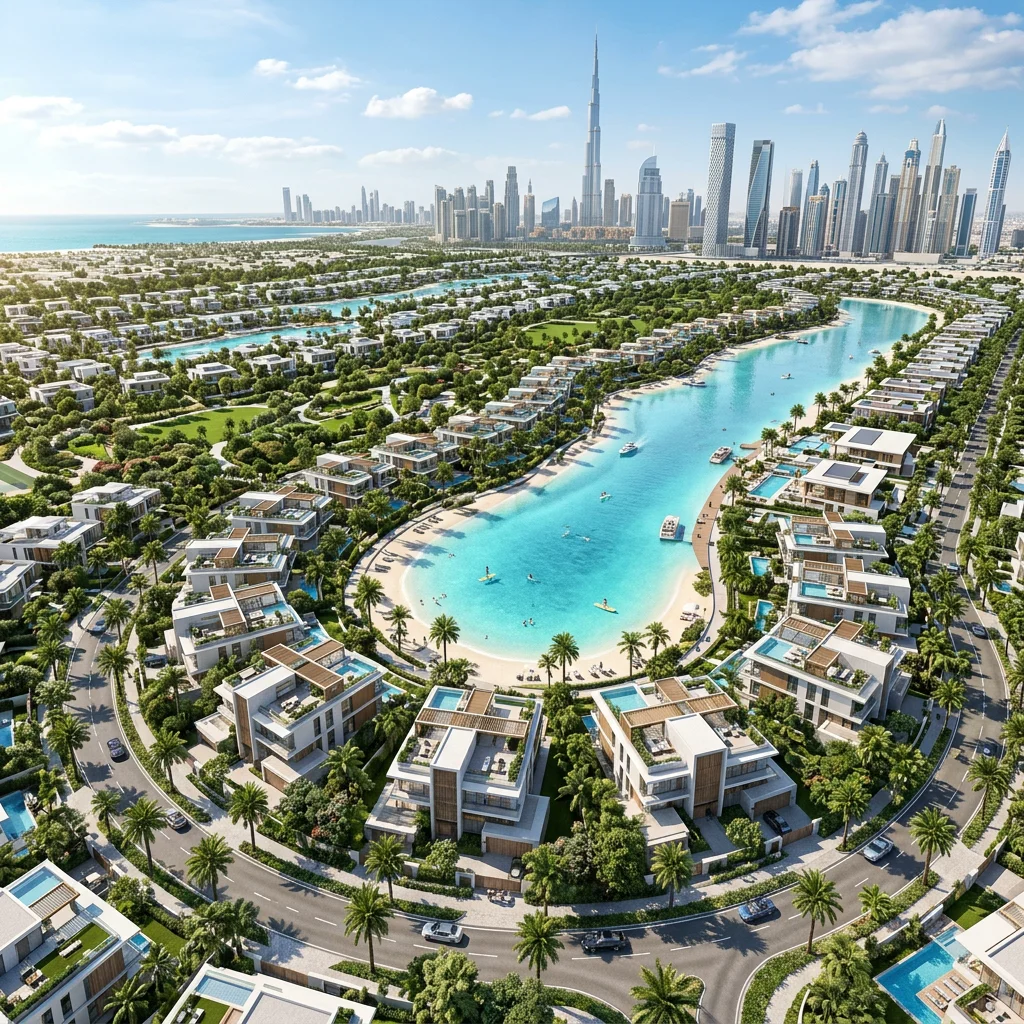
Core fundamentals remain unchanged despite short-term uncertainty. Developers are even expanding into emerging districts, such as Warsan 4, signaling that the appetite for value-driven community living is just as strong as the demand for luxury penthouses.
Why the Demand Persists
Dubai’s appeal isn't tied to a single factor but a "multi-layered shield" of incentives that continue to draw international migration:
- High Yields: Rental yields averaging 5–8% consistently outperform other major global cities.
- Regulatory Safety: A transparent legal framework and investor protection laws.
- Residency Incentives: Favorable visa programs that encourage long-term settlement.
- Operational Stability: Developers report that construction and sales remain uninterrupted, providing a sense of normalcy that contrasts with external headlines.
The "Morning After" Test
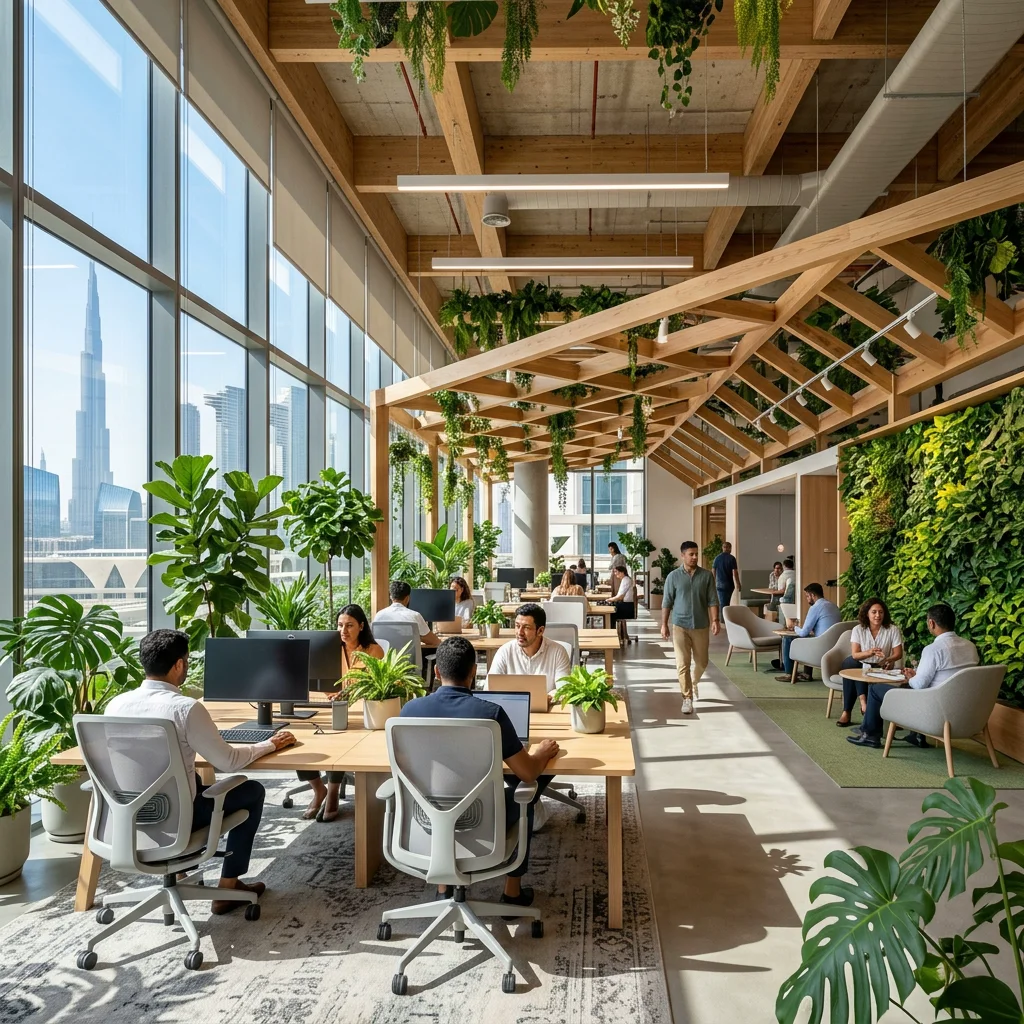
While commercial and office spaces are typically the first to feel a "pause" during geopolitical shifts, Dubai’s office sector is currently sitting at 95% occupancy, leaving little room for a significant correction.
Ultra-high-net-worth buyers view prime real estate as a long-term asset. For these investors, moments of uncertainty aren't a reason to withdraw—they are a reason to be patient or even search for entry opportunities before prices resume their upward climb.
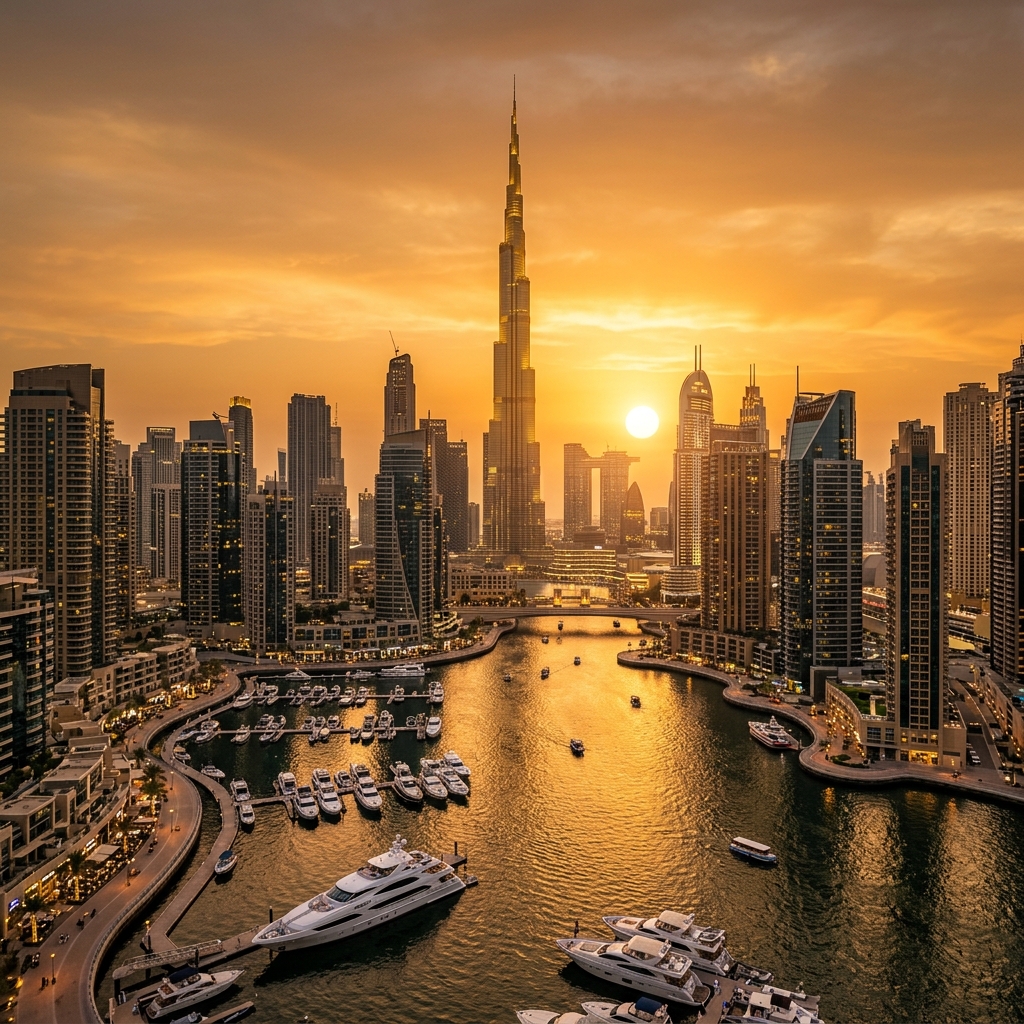
Ultimately, the true test of a market's strength is what happens when the sun comes up. In Dubai, the morning looks the same: cranes are moving, coffee shops are full, and the Real Estate Strategy 2033—targeting Dh1 trillion in transactions—remains firmly on track. In this desert metropolis, stability isn't just a goal; it's a competitive advantage.