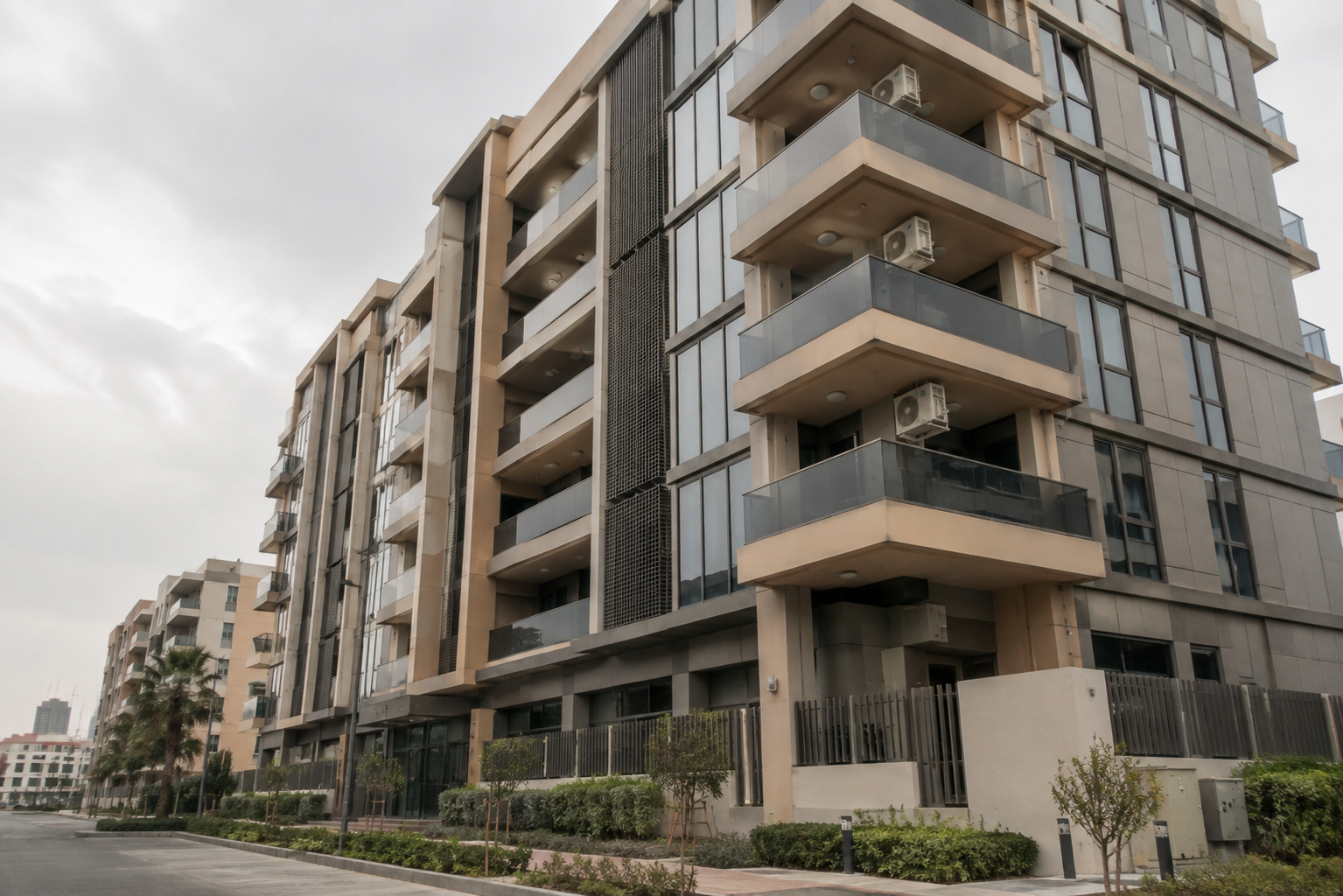
Dubai's shared housing law, Law No. 4 of 2026, officially came into force on August 26, five days before this piece went to print. Anyone renting out a bed space, a partitioned room or a shared apartment in Dubai is now technically operating under a new legal framework, and so is anyone managing that property on an owner's behalf.
But a law taking effect and a law being enforced are two different things. As of this week, the permit that operators need before they can legally run shared housing, the electronic register that gives their tenancy contracts legal weight, and the inspection system that will actually check compliance are all still pending rollout. Nothing has closed, nobody has been fined, and no unit has been vacated under the new law yet.
That gap between the effective date and the enforcement date is the actual story right now, and it is the one operators should be planning around instead of the headline deadline.
What Actually Changed on August 26
The law itself is real and binding. It sets out who can lease shared housing, how it must be managed, and what standards a unit has to meet. Only an owner, or an establishment authorised by the owner, can lease a shared housing unit. Tenants are barred from subletting any part of their space to someone else. Units have to meet building, health, fire, sanitation, security and electrical standards, and the law recognises six property types that can be used for shared housing: apartments, detached houses, residential complexes, mixed-use buildings, townhouses and multi-storey buildings.
The law applies across Dubai, including private development zones and freehold areas, but it excludes collective labour accommodation, which is regulated separately.
Two Pieces of Machinery Still Missing
Two systems have to exist before the law can be enforced at full strength, and neither is live yet. First, Dubai Municipality, working with the Dubai Land Department, has not yet opened the special operating permit that owners and operators will need before any property can legally be used as shared housing. The municipality has said the application process will roll out through its digital platforms once the official processes are finalised, without giving a firm date.
Second, the Dubai Land Department has not revealed the operational details of the Shared Housing Register, the electronic system meant to log tenancy contracts, management agreements and resident data. Under the law, a shared housing contract only carries legal weight once it is entered into this register, alongside standard lease templates and a rent index built specifically for shared accommodation.
| System | Status as of Aug 31 | What It Unlocks |
|---|---|---|
| Special operating permit | Not yet open. Rollout via Dubai Municipality digital platforms, no date set | Legal right to operate a shared housing unit |
| Shared Housing Register | Not yet operational, DLD has not published details | Legal weight for tenancy and management contracts |
| Unified inspection system | Not yet built, timeline not announced | Periodic and surprise compliance checks |
| Rent index for shared housing | Not yet published | Reference pricing for registered contracts |
The law is in force, but you cannot yet apply for the permit it requires, register the contract it requires, or be inspected under the system it establishes. Treat this as a pre-enforcement window, not a compliance deadline that has already passed.
The Compliance Clock Operators Should Actually Watch
Existing owners and operators are not being asked to comply overnight. Anyone already running shared housing before August 26, 2026, has one full year, until August 26, 2027, to bring their units and operations into line with the new rules. Dubai Municipality's director general can approve a single extension beyond that if needed.
| Milestone | Date | What It Means for Operators |
|---|---|---|
| Law published in Official Gazette | February 27, 2026 | Text of the law becomes public |
| Law takes effect | August 26, 2026 | Legal framework is binding, enforcement systems still pending |
| Compliance deadline for existing operators | August 26, 2027 | Permit, register entry and standards must be met by this date |
| Possible one-time extension | To be decided case by case | Granted at the discretion of the municipality's director general |
What Happens Once Inspections Start
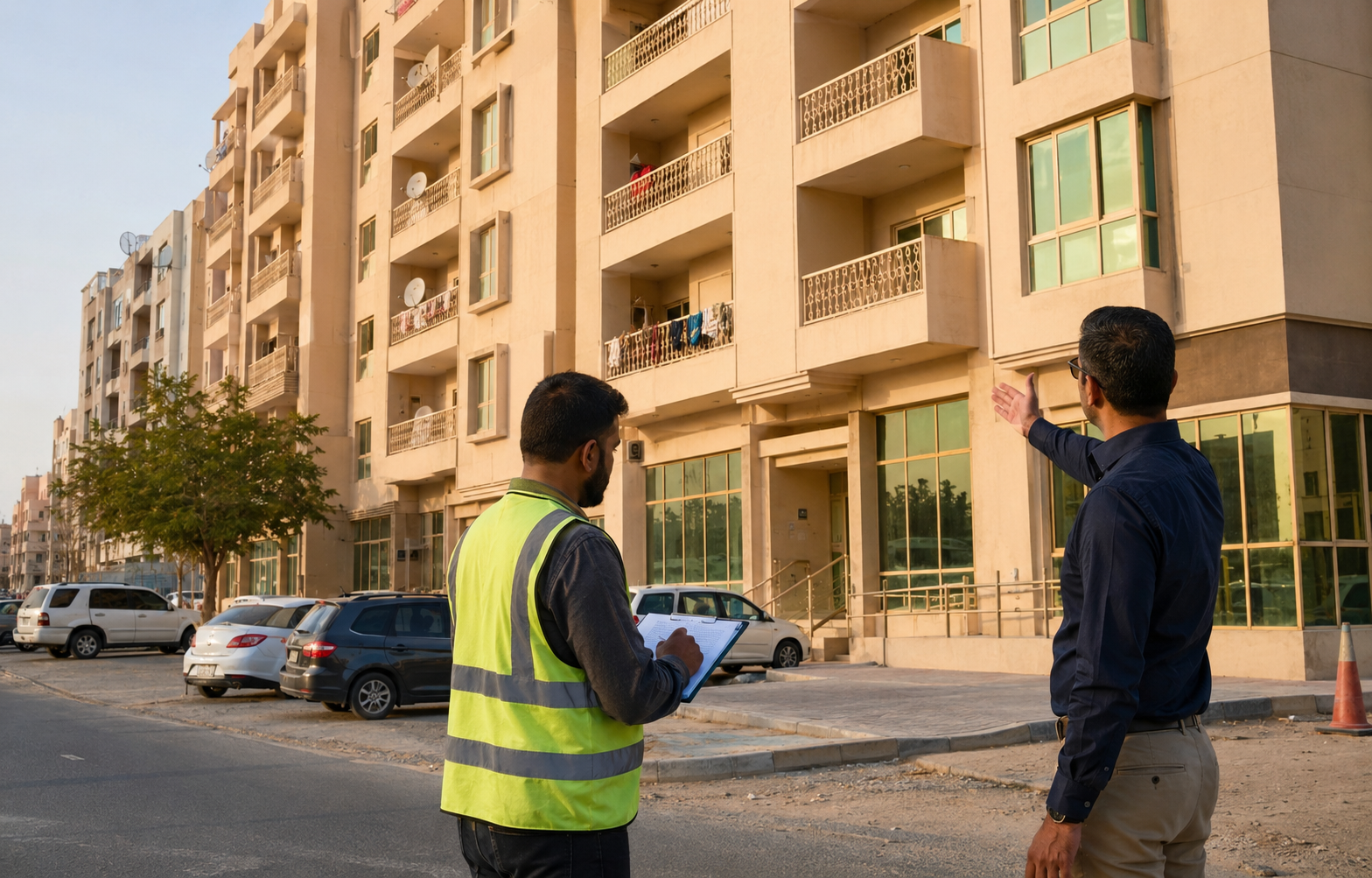
The law gives authorities power to run both scheduled and surprise inspection campaigns once the unified monitoring system is in place, and inspectors are expected to come from multiple entities, not from the municipality alone. Until that system exists, there is no mechanism to check a given unit against the new permit and safety standards, which is why Gulf News reported that no evictions are expected to take place under the new law for now, with permits and the register still pending.
When enforcement does begin, non-compliance carries real consequences beyond a fine. Authorities can suspend an operator for up to six months, cancel a permit outright, coordinate the cancellation of a trade licence, cut utilities to a unit, or refuse to register a tenancy contract. Eviction is possible but not automatic. It follows a decision by an execution judge, and even then, occupants are typically given a specified period to find alternative accommodation rather than being removed immediately.
What the Fines Will Look Like When Enforcement Begins
| Scenario | Penalty |
|---|---|
| First violation | Fine of up to AED 500,000 |
| Repeat of the same violation within one year | Fine doubles, capped at AED 1,000,000 |
| Ongoing non-compliance | Operator suspension of up to six months, permit cancellation |
| Severe or continued breach | Trade licence cancellation coordinated with the relevant authority, utility disconnection |
| Disputes arising under the law | Fall under the exclusive jurisdiction of the Dubai Rental Disputes Center |
AED 500 to AED 500,000: fine range for a first violation under the law. AED 1,000,000: capped fine for a repeat violation within one year. 180 days: gap between the law's Gazette publication and its effective date. 12 months: compliance window given to operators already active before August 26, 2026.
What Operators Should Actually Do Right Now
- Audit current units against the six eligible property types and the space, safety and occupancy standards set out in the law, before the permit portal opens rather than after.
- Keep existing tenancy paperwork organised. Contracts will need to move into the Shared Housing Register once it is live, and clean records now mean a faster registration process later.
- Watch Dubai Municipality's digital platforms for the permit application announcement rather than assuming a hard opening date, since none has been confirmed.
- Budget for the compliance costs now. Waiting until closer to the August 2027 deadline compresses the runway to fix structural or licensing issues that take longer to resolve.
- Read the prior explainer on what to fix before the deadline for the full list of standards the law introduces, at Dubai Startups Daily.
What Tenants Should Know
For residents already living in shared accommodation, nothing changes in the immediate term. Existing arrangements are not being unwound overnight, and the law's protections, such as registered contracts and defined occupancy standards, only start to apply in practice once the register and permit system are operational. Tenants weighing a new shared housing arrangement in the meantime should still ask whether the operator intends to apply for a permit once applications open, since that will determine whether the unit can legally continue operating past next August.
A law that is legally binding but administratively unenforced creates a strange middle period. Operators face real financial exposure a year from now, but no immediate mechanism forces action today. The businesses that treat the next twelve months as a compliance sprint, rather than a deadline that has already passed or one that is safely far away, are the ones least likely to be caught out when the permit portal, the register and the inspection system all go live.
Dubai Startups Daily will track the permit portal opening, the Shared Housing Register going live, and the first reported inspections as Regulator Watch continues to follow this law through its first compliance year.
Read Also
Dubai's Shared Housing Law: What Landlords and Operators Must Fix Before the Deadline