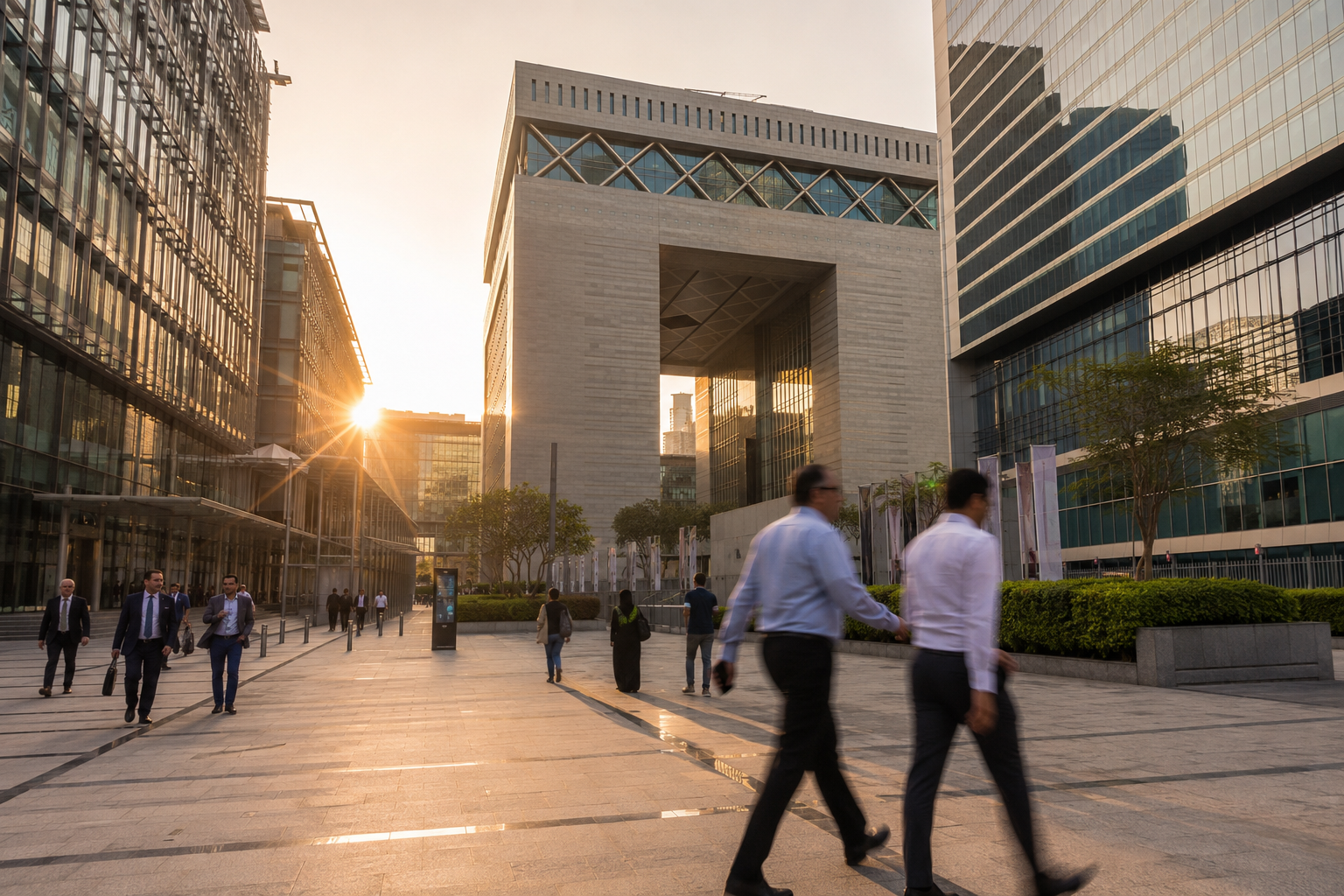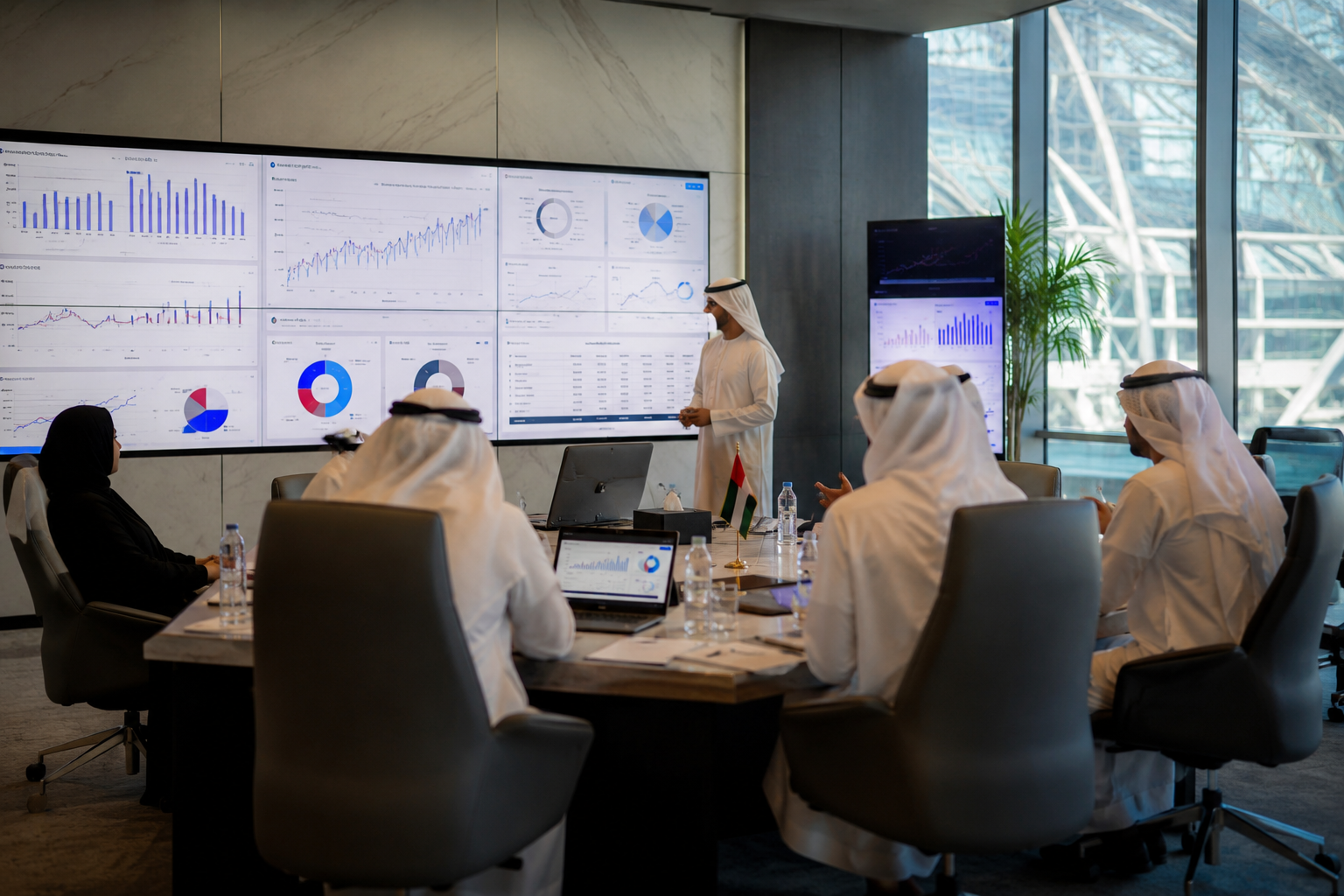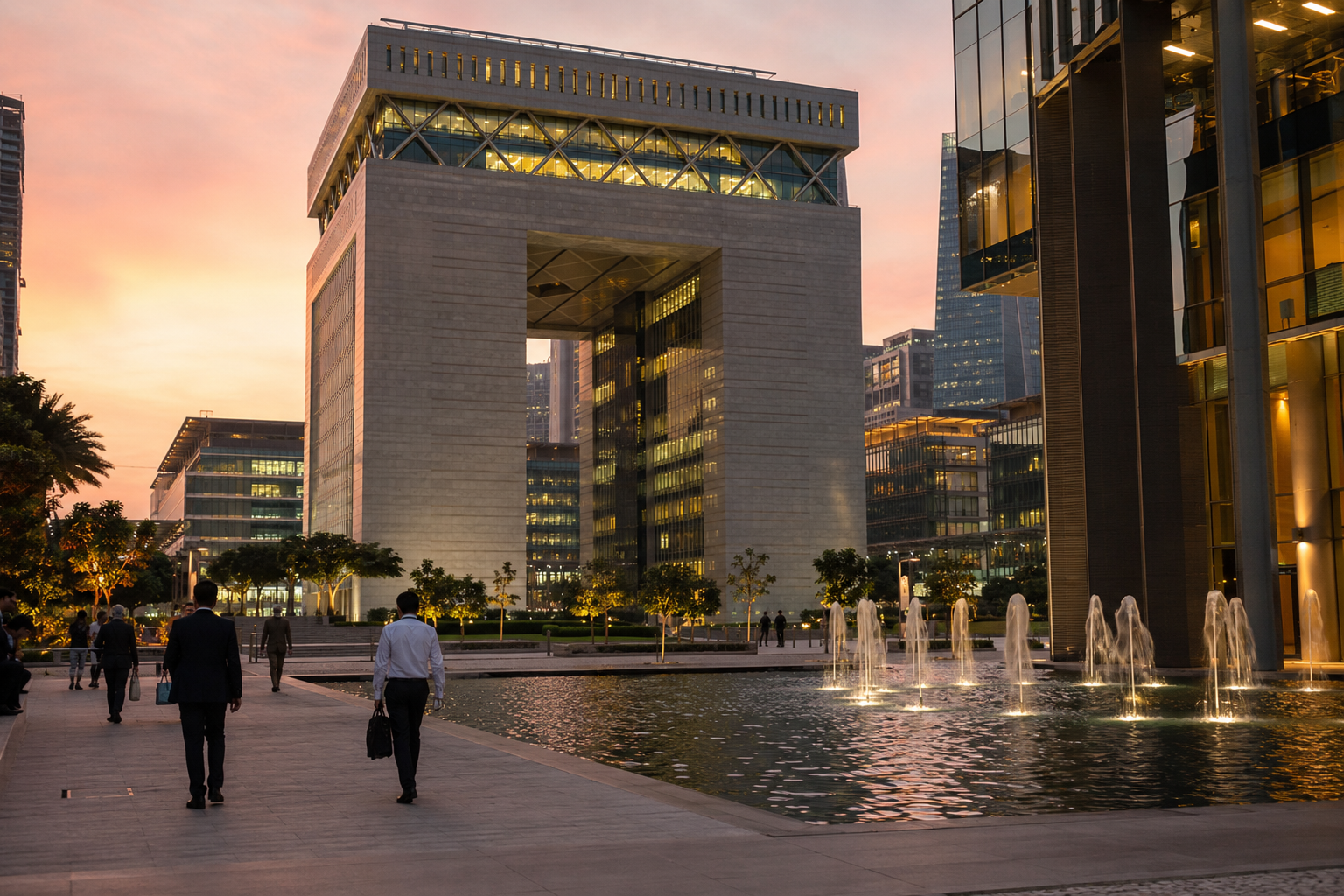
Dubai is stepping up efforts to cement its position as one of the world's leading destinations for private wealth, rolling out new strategic initiatives designed to draw family offices and institutional investors to the emirate. The push is part of the broader Dubai Economic Agenda, known as D33, which aims to double the size of the city's economy by 2033.
The strategy centers on three things wealthy families and their advisors care about most: clearer regulation, easier market access, and deeper partnerships with global wealth managers. Officials say the goal is to make Dubai not just a place to park capital, but a base from which family offices can actively deploy it across the region.
Why the Family Office Wave Keeps Building
The momentum is not new, but it is accelerating. More than 200 new family offices set up in Dubai last year alone, according to industry estimates, and the city now hosts the large majority of the roughly 70-plus documented single family offices operating across the UAE. Regulatory frameworks in the Dubai International Financial Centre, including dedicated family office and family arrangement rules introduced in recent years, have made it simpler for multi-generational wealth to relocate governance structures to the emirate rather than simply buying property.
That shift matters for Dubai's institutional finance sector too. Blackstone recently confirmed plans to reopen a DIFC office after six years based out of Abu Dhabi, and the DFSA has unveiled sweeping reforms to modernise DIFC's funds framework in the same window, both signals that global capital is treating Dubai as a durable base rather than a temporary landing spot.
What This Means for Founders and Investors
For Dubai founders, the growing family office base is a funding channel, not just a headline. Family offices in the UAE are unusually direct investors: most hold operating businesses and private equity stakes rather than simply allocating to third-party funds, and a large share are already active in real estate, fintech and proptech deals. That makes warm introductions through DIFC-based advisors, rather than cold outreach, an increasingly viable path to growth capital.
The trend also feeds Dubai's wider capital ecosystem. Family offices increasingly co-invest alongside venture funds and sovereign-linked vehicles such as the Dubai Future District Fund, which has grown its portfolio to 30 investments, and endowment-style vehicles like Awqaf Dubai, whose investment portfolio reached AED1.475 billion in market value in the first half of 2026. The result is a deeper, more layered pool of private capital available to companies raising in Dubai rather than London or Singapore.
A Regional Pull, Not Just a Local One
Dubai's appeal extends beyond Gulf money. A related wave of relocation is visible among Gulf Indian families accelerating their global wealth transfer strategies through Dubai, using the emirate's zero income tax regime, time zone position between Asian and European markets, and English common law framework in DIFC as a bridge between jurisdictions.
Officials point to the dirham's peg to the US dollar as a further draw this year, since it has kept Dubai's cost base comparatively stable while traditional wealth hubs in Europe have become more expensive as their currencies strengthened. Advisors say that stability, combined with faster licensing timelines in DIFC and ADGM, is now the deciding factor for family offices choosing between Dubai and rival centres such as Singapore and Geneva.
The next test will be whether Dubai can convert the current wave of relocations into long-term capital deployment inside the local economy, rather than offices that simply use the emirate as a tax-efficient base while investing elsewhere. Early signs, including rising family office participation in DIFC-regulated funds and direct stakes in UAE-based operating companies, suggest that shift is already underway.