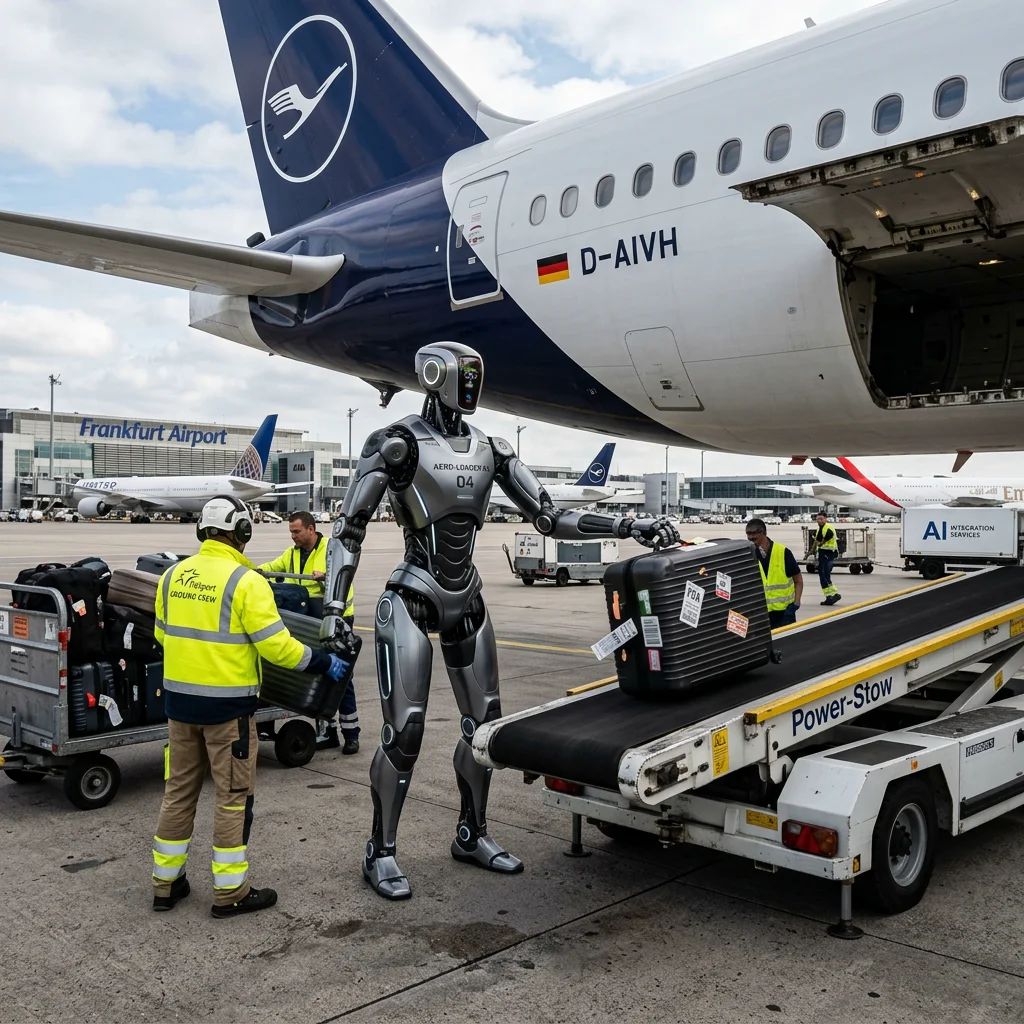
TOKYO — Japan Airlines (JAL) has announced the commencement of a landmark two-year pilot program integrating humanoid robotics into ground handling operations at Tokyo Haneda Airport. This initiative, launched in collaboration with GMO AI and Robotics, represents a sophisticated response to the systemic labor shortages currently challenging the global aviation sector.
Addressing the Labor Crisis through Automation
The aviation industry continues to grapple with a significant deficit in personnel, particularly within ground services. These roles often involve high physical stakes and demanding schedules, making recruitment and retention a primary concern for major carriers.
By deploying advanced humanoid units, JAL seeks to stabilize its operational capacity. The primary objectives of the trial include:
- Logistical Support: Assisting in the complex processes of loading and unloading passenger baggage.
- Cabin Maintenance: Streamlining aircraft cleaning protocols to ensure rapid turnaround times.
- Workload Mitigation: Reducing the physical strain on human employees by delegating high-intensity tasks to robotic counterparts.
A Collaborative Future
The partnership with GMO AI and Robotics underscores a shift toward "co-botics"—the synergy between human expertise and machine precision. While the robots handle repetitive and physically taxing duties, human staff can be redistributed to focus on specialized tasks and customer-facing roles that require emotional intelligence and complex problem-solving.
"The integration of robotics is not merely a replacement for labor, but a necessary evolution to maintain service excellence amidst shifting demographic realities," a spokesperson for JAL commented.
Global Implications
If the two-year trial yields successful results in efficiency and safety metrics, it may serve as a blueprint for international hubs. The move signals a broader industry trend toward the "Smart Airport" model, where automation is central to managing the increasing complexities of global air travel. As JAL monitors the performance of these humanoid units, the results could redefine the standard for airport ground operations over the next decade.