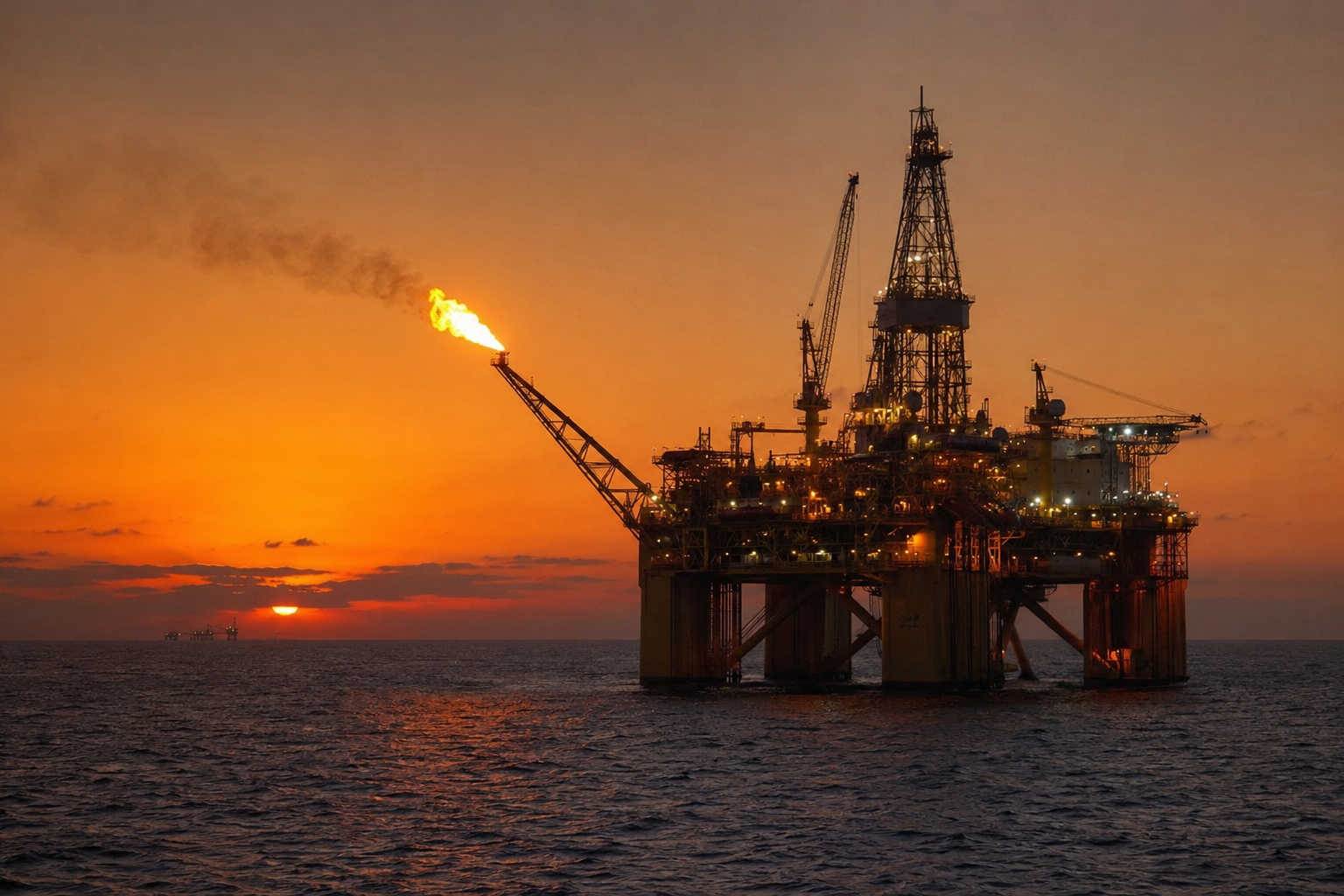
Global oil markets opened the week sharply higher on Monday, June 1, 2026, with major crude benchmarks gaining over 4% as renewed geopolitical stress in the Middle East sent traders scrambling to reprice risk. The question now being asked across energy markets is whether oil could realistically push back toward $100 per barrel.
Where Prices Stand Right Now
As of early Monday trading, the benchmark figures were:
- West Texas Intermediate (WTI): $90.99 per barrel
- Brent Crude: $94.44 per barrel
- Murban Crude: $93.06 per barrel
Energy-linked commodities also moved higher, with natural gas, gasoline, and heating oil all recording notable gains as market sentiment turned bullish.
What Is Driving the Surge?
The rally follows a sharp reversal of optimism. Just weeks earlier, improved expectations around a potential US-Iran ceasefire had helped push prices lower through late May. But fresh regional developments have quickly reversed that trend. The immediate trigger is renewed concern over the Strait of Hormuz, the critical shipping lane that carries roughly 20% of the world's oil trade.
Market analysts highlight several factors fuelling the move:
- Reported attacks linked to Iran-backed forces
- Expanding military operations in southern Lebanon
- Fears that the existing ceasefire could collapse entirely
Collectively, these developments have pushed traders to reintroduce a meaningful geopolitical risk premium into oil pricing.
A Pattern That Has Already Played Out Once This Year
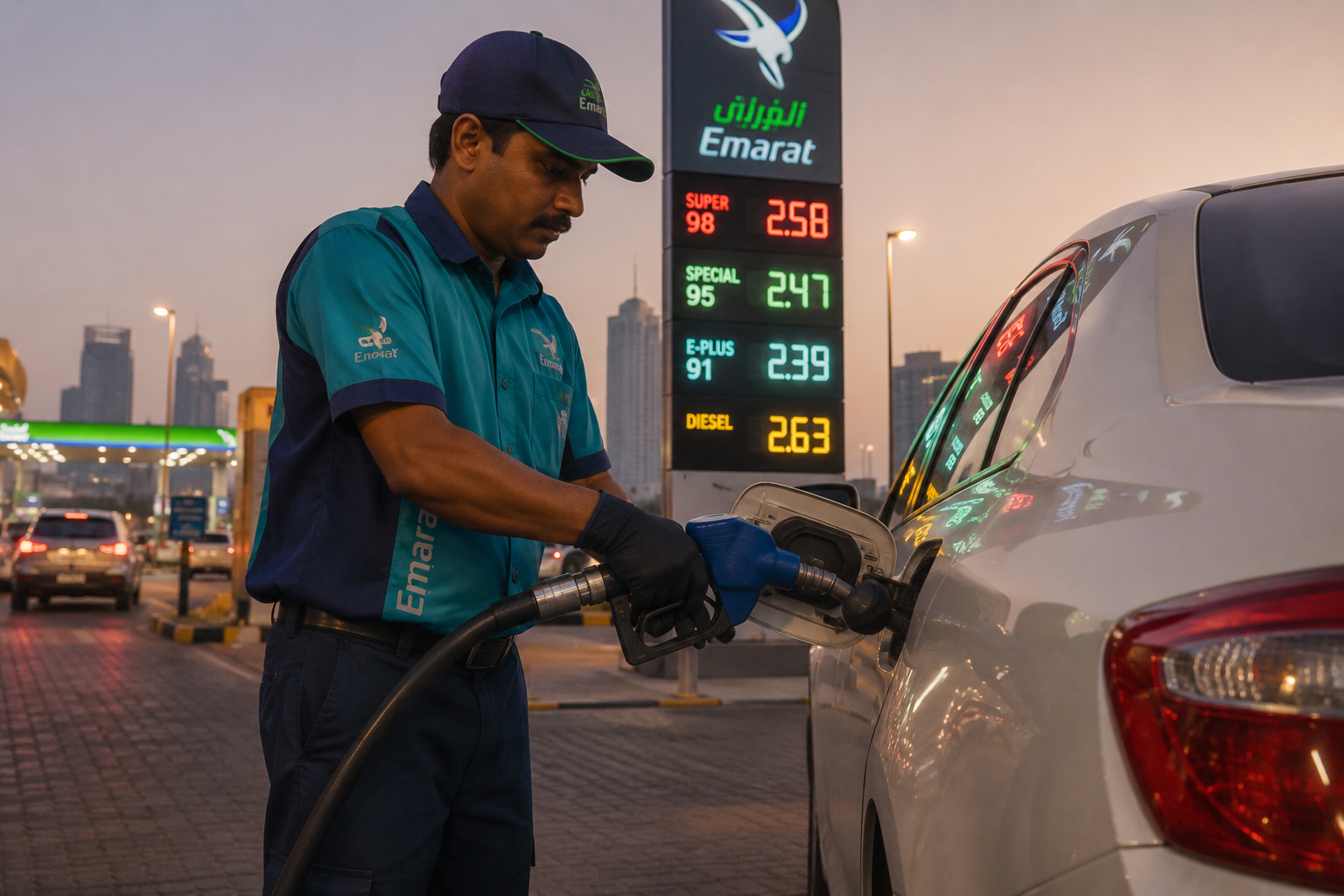
Earlier in 2026, disruptions in the region pushed crude prices above $120 per barrel before diplomatic progress brought them back down. With uncertainty returning, the market is now walking a similar path. For businesses across the UAE and the broader Gulf, rising energy costs and their downstream effects on logistics, manufacturing, and inflation remain a key concern to watch.
What Analysts Are Saying
Not all market watchers are convinced the rally will hold. Some analysts maintain that if Middle Eastern production and shipping return to normal levels, longer-term oil prices could ease back from current highs. However, continued regional instability represents a major and unpredictable risk for global energy markets throughout the rest of 2026.
The broader economic consequences of sustained higher prices, including elevated fuel costs, rising inflation, and potential drag on growth, remain firmly in focus for policymakers and business leaders across the Gulf.