In a world where geopolitical tensions, supply chain disruptions, and shifting trade patterns are keeping most governments on the defensive, Dubai is making a different calculation.
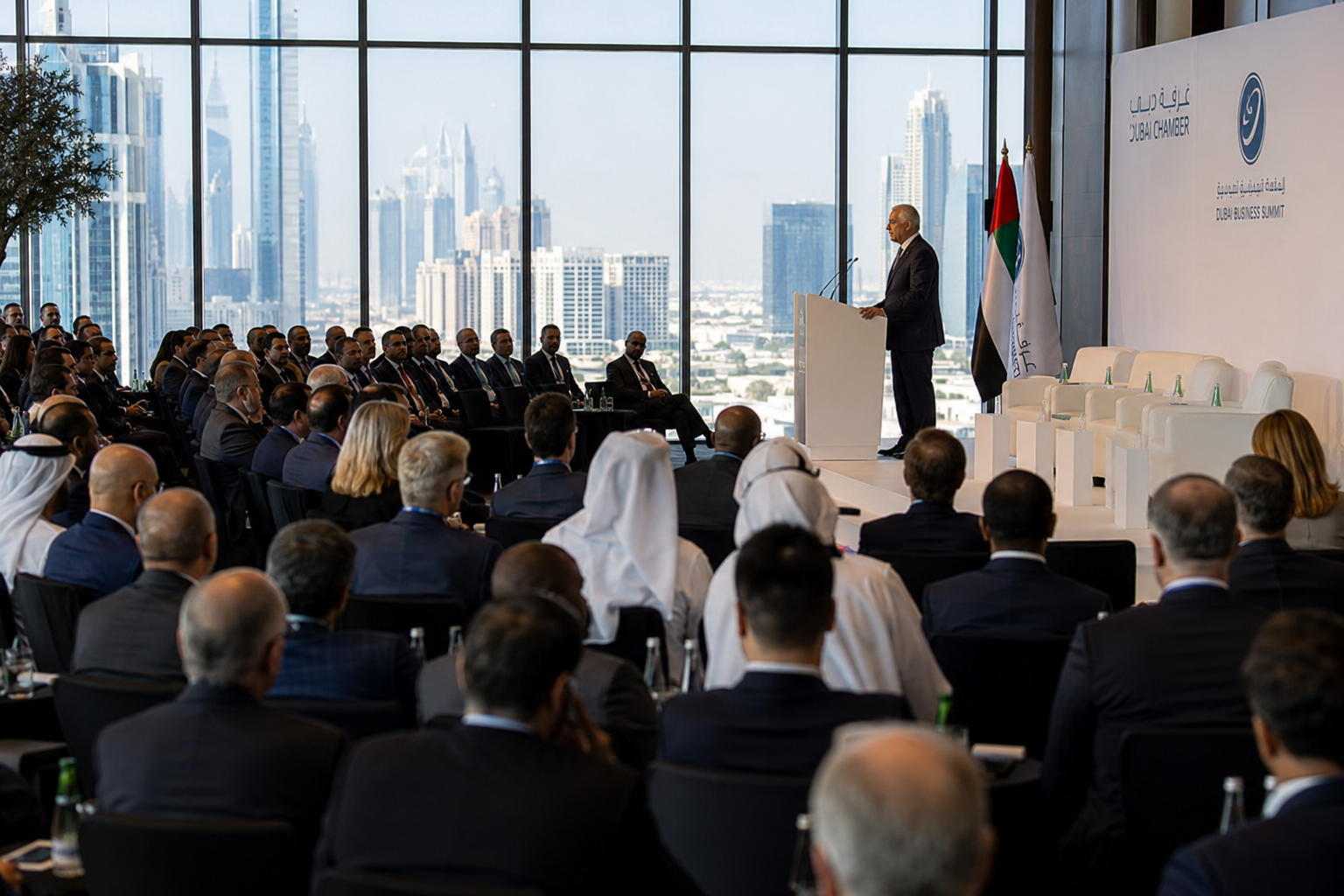
Sheikh Hamdan bin Mohammed bin Rashid Al Maktoum has reaffirmed Dubai's core strategic posture: global challenges are not threats to be managed but opportunities to be captured. It is a mindset that has defined the emirate's rise and continues to shape its decision-making at the highest level.
Speaking to the city's broader trajectory, Sheikh Hamdan underscored Dubai's readiness to lead through uncertainty, drawing on its established strengths in business, tourism, logistics, and technology to stay ahead of global disruption rather than react to it.
The Strategy Behind the Statement
Dubai's ability to turn external headwinds into growth has not happened by accident. It is the product of deliberate structural choices made over decades. The emirate has consistently invested in infrastructure, connectivity, regulatory flexibility, and talent attraction in ways that make it a natural beneficiary when other markets face disruption.
When global trade routes shift, Dubai's logistics network gains relevance. When regional instability drives capital movement, Dubai's financial and regulatory environment attracts it. When multinationals look to diversify their operational footprint, Dubai offers the combination of market access, lifestyle, and ease of doing business that few other cities can replicate.
Sheikh Hamdan's message reinforces the underlying logic of the Dubai Economic Agenda D33, which sets a target of doubling the size of Dubai's economy by 2033. That kind of growth does not come from defending existing positions. It comes from moving faster than the competition when conditions change.
What This Means for Business
For B2B professionals and business leaders operating in or considering Dubai, the leadership signal is significant. It means that policy, infrastructure investment, and regulatory evolution in Dubai will continue to be oriented toward growth and competitiveness rather than preservation.
Companies that align their strategies with Dubai's direction, whether in trade, technology, tourism, or services, can expect a business environment that actively supports expansion rather than constraining it. Dubai's leadership does not just set a tone. It backs that tone with institutional action, investment, and policy design.
In a global environment where many cities and economies are retreating, Dubai is signalling clearly that it intends to advance. That is not a marketing message. It is a governing philosophy, and for those doing business here, it matters.