For months, the working assumption across boardrooms and trading floors was the same: the disruption to the Strait of Hormuz was a temporary crisis. Tensions would ease. Ships would return. The market would normalise.
Moody's Ratings says that the assumption needs to be revised urgently. According to the agency, what began as a geopolitical flashpoint has hardened into a structural economic risk. The agency's central planning scenario now assumes a prolonged and significant disruption to the Strait of Hormuz through autumn.
Why the Strait of Hormuz Matters So Much
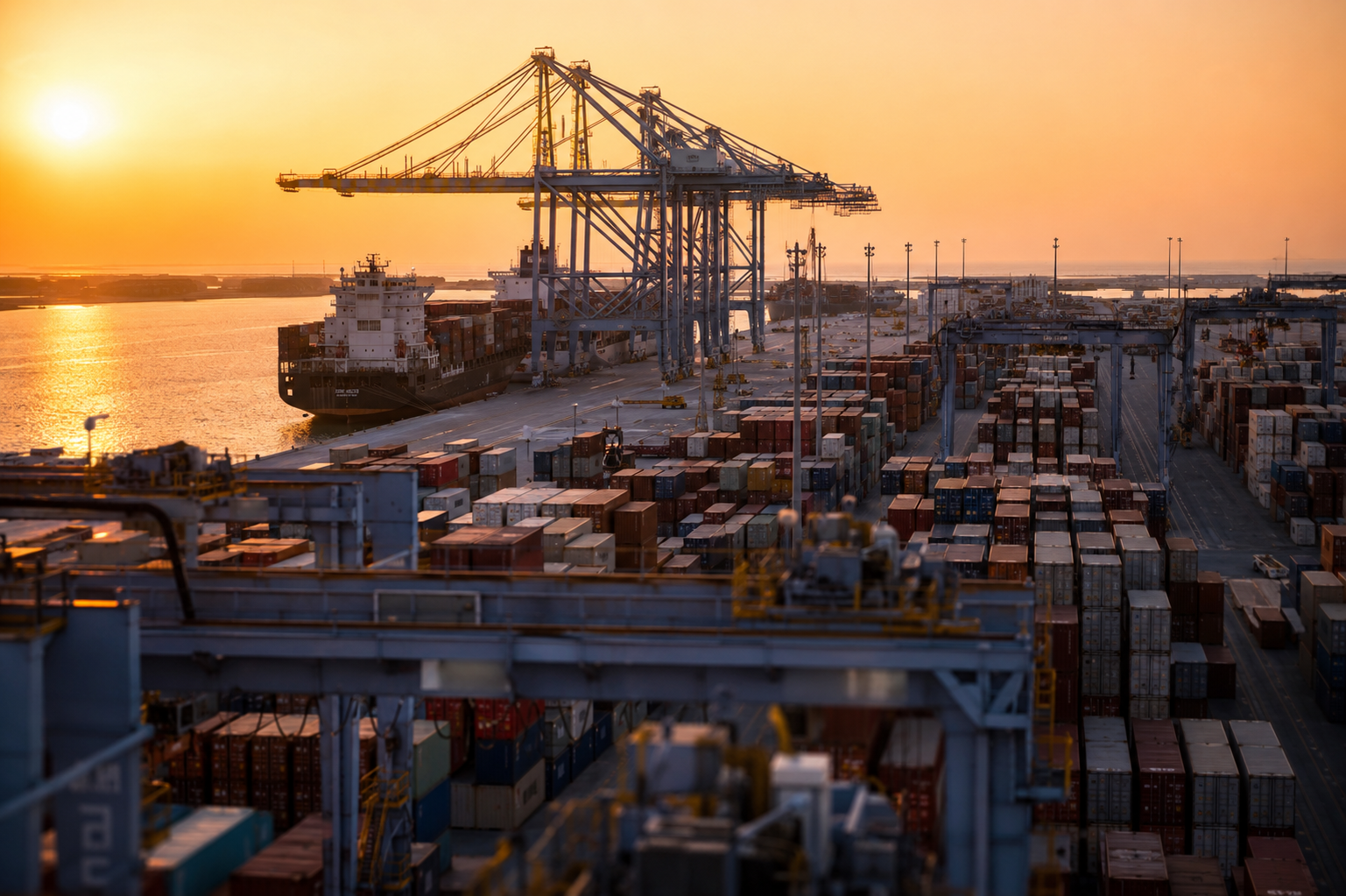
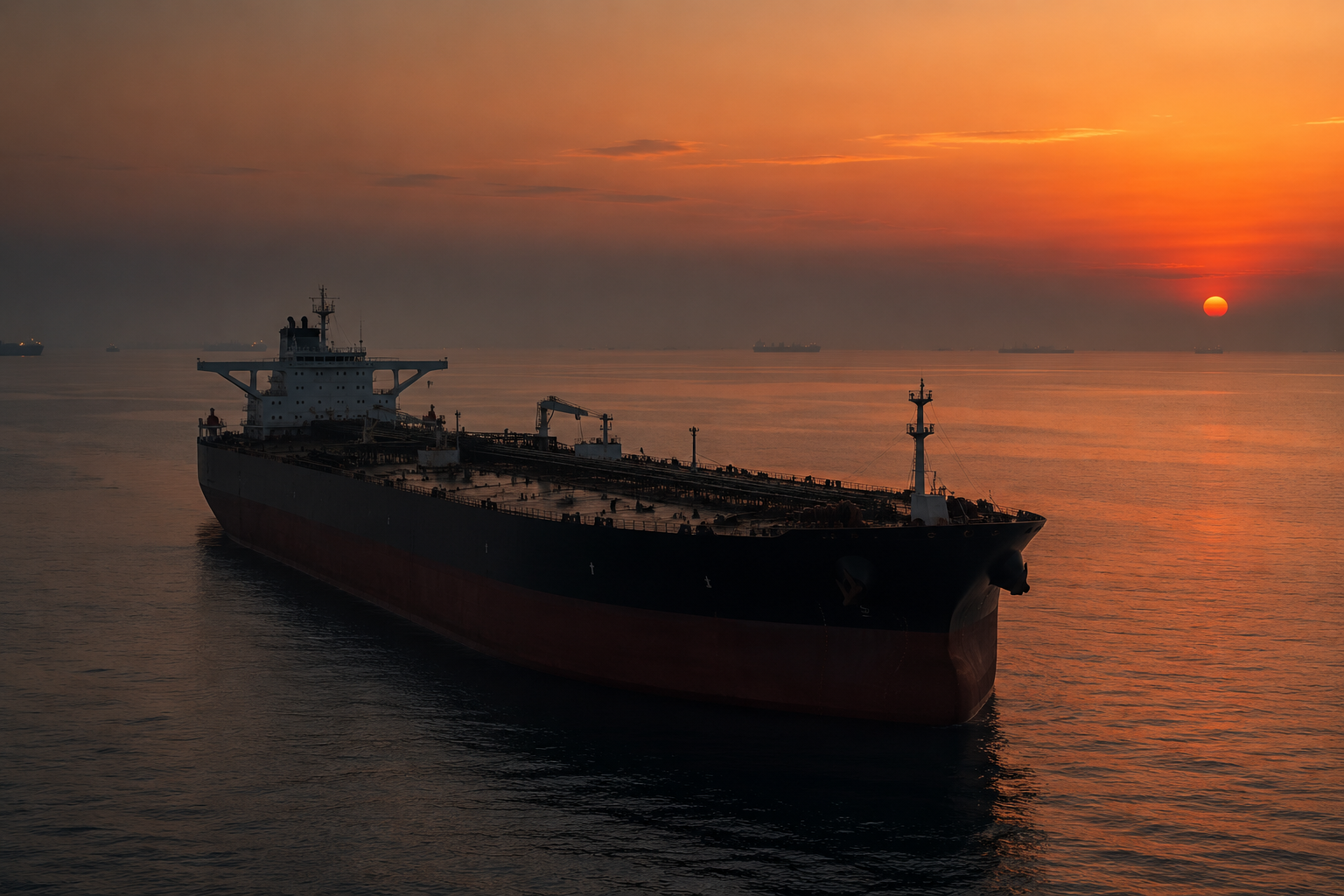
The Strait of Hormuz, the narrow waterway between Iran and Oman, has historically handled roughly 20% of the world's petroleum and liquefied natural gas (LNG) flows. Under the current combination of escalating insurance premiums, persistent sea mine fears, and defensive rerouting by shipping operators, transit volumes have fallen by more than 90% compared to pre-conflict baselines.
The Structural Shift: This Is Not a Temporary Detour
The world is adapting to a new paradigm, not waiting for the old one to return. That adaptation is already happening in three ways:
- Energy source diversification: Governments and large energy buyers are actively accelerating procurement from non-Gulf suppliers.
- Alternative routing: Overland pipeline networks and longer maritime routes are being upgraded to handle redirected cargo.
- Regionalised supply chains: Businesses most exposed to long-haul maritime shipping are accelerating moves toward more localised sourcing models.
Oil at $90–$110: The Impact by Sector
Brent crude is expected to hold between $90 and $110 per barrel for most of the year. Moody's is explicit: sustained high energy prices at this level will drive broader inflation, increase industrial production costs, and compress household purchasing power across major economies.
| Exposure Level | Sectors Affected | Key Risk |
|---|---|---|
| High Acute Margin Pressure | Airlines, Chemicals, Building Materials | Fuel-dependent; cannot pass costs to consumers |
| Moderate Demand-Side Strain | Retail, Hospitality, Discretionary Manufacturing | Consumer spending falls as cost-of-living rises |
| Net Beneficiaries | Non-Gulf Energy Producers, Defence Contractors | Benefit from high commodity prices and defence spend |
Asia Bears the Largest Structural Burden
Of all the regions exposed to this disruption, Asia carries the heaviest load:
- India: Most acutely vulnerable, roughly 46% of its crude imports originate from the Middle East.
- Japan & South Korea: Highly exposed despite maintaining large strategic emergency petroleum reserves.
- China: While partially shielded by state-controlled pricing and commercial stockpiles, industrial profitability will face meaningful compression.
Moody's estimates that oil sustained at $90–$110 per barrel will reduce real GDP growth by between 0.2 and 0.8 percentage points across several major economies.
The Takeaway for B2B Decision-Makers
For business leaders and policymakers, the core message from Moody's is a strategic one: stop planning for a return to normal, and start planning for permanent structural adjustment. That means energy procurement strategies that account for sustained elevated prices, supply chain architectures that don't rely on single maritime corridors, and financial planning models that treat $90+ oil as the base case, not a tail risk.