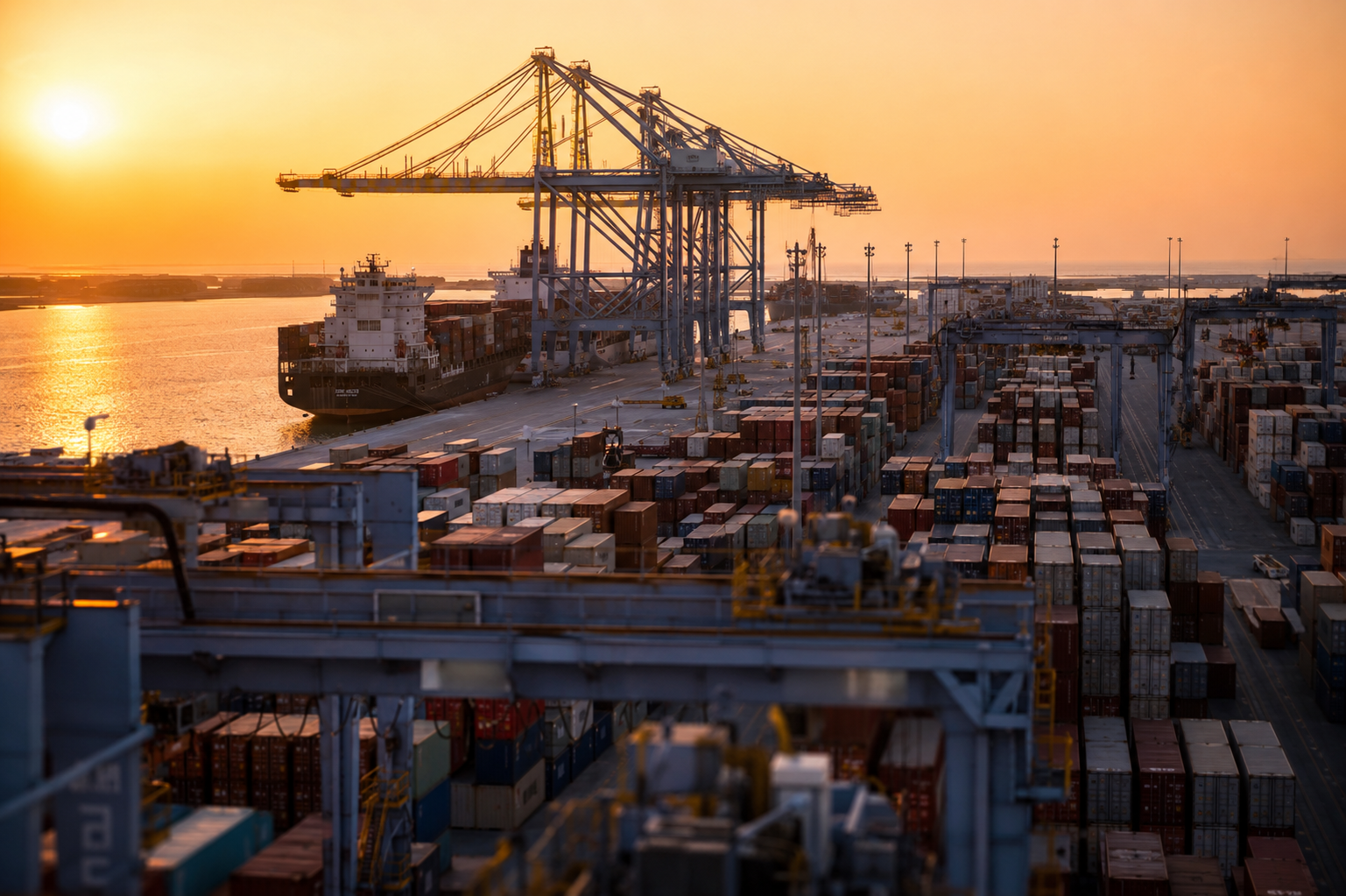
The United Arab Emirates has concluded 37 Comprehensive Economic Partnership Agreements to date, with 18 already in force, as the country pushes to widen its trade footprint across Asia, Africa, Europe and the Americas. Dr Thani bin Ahmed Al Zeyoudi, UAE Minister of Foreign Trade, confirmed the figures in a statement to the Emirates News Agency, adding that talks are running in parallel with roughly 20 more countries.
The CEPA programme, launched in 2021, is the centrepiece of the UAE's push to grow non-oil trade and reduce its dependence on hydrocarbon revenue. Each agreement works to cut tariffs, simplify customs procedures and open new lanes for investment between the UAE and its partner economies. For Dubai based exporters, logistics firms and trading houses, that translates into cheaper access to markets that were previously harder to reach.
A Fast-Growing Trade Network
The pace of dealmaking has picked up sharply. Only 6 CEPAs were in force in early 2025. That number has now tripled to 18, while the total concluded has climbed to 37. Five agreements alone were signed in 2025, with Malaysia, New Zealand, Kenya, Ukraine and the Central African Republic, widening the private sector's reach into new regions.
| Metric | Figure |
|---|---|
| CEPAs concluded to date | 37 |
| CEPAs currently in force | 18 (up from 6 in early 2025) |
| Countries in active negotiation | Around 20 |
| First CEPA signed | India, February 2022 |
| UAE non-oil trade target | AED4 trillion by 2031 |
The UAE-Ukraine CEPA became the 18th agreement to enter into force on July 1, 2026, following talks that opened in early 2025. Officials describe it as a step toward diversifying trade routes at a time when regional shipping and logistics have faced added pressure. The wider trend lines up with a record year for non-oil trade, which
crossed the $1 trillion mark for the first time in 2025, according to reporting by The National, a 26 percent annual jump that officials link directly to the widening CEPA network.
Which Countries Are Next
Al Zeyoudi said talks with Canada are nearing completion, and the UAE has reached the final stages of negotiations with Rwanda, Ghana and Zambia. Discussions with Bangladesh and Peru are described as making good progress, while a seventh round of talks with the European Union has concluded, though officials note that bloc-level negotiations remain slower than the UAE's bilateral deals. Work is also underway with the Philippines to bring that agreement into force before the end of the year.
The minister said he expects five to seven more agreements to close before year end, with several more expected to enter into force over the next two to three months, including deals with countries in the Eurasian group.
READ ALSO
Dubai's Diamond Trade Hits a Record $41.7 Billion, and the Growth Curve Keeps Bending Up
What It Means for Dubai Businesses
Lower tariffs and faster customs clearance on covered goods moving through UAE ports and free zones. Wider access to partner country markets for Dubai based exporters, distributors and logistics operators. More predictable trade rules for companies planning cross-border expansion into CEPA partner markets. Continued government investment in ports, airports and digital trade systems to support the expanded network.
Al Zeyoudi also pointed to the resilience of the UAE's logistics sector during recent regional disruption, crediting the integration of airports, seaports and road transport, along with the role of major national port and customs operators, for keeping trade flowing. As more agreements come into force, officials expect Dubai based businesses to see broader market access, stronger supply chain links and new investment channels opening up across the CEPA network.