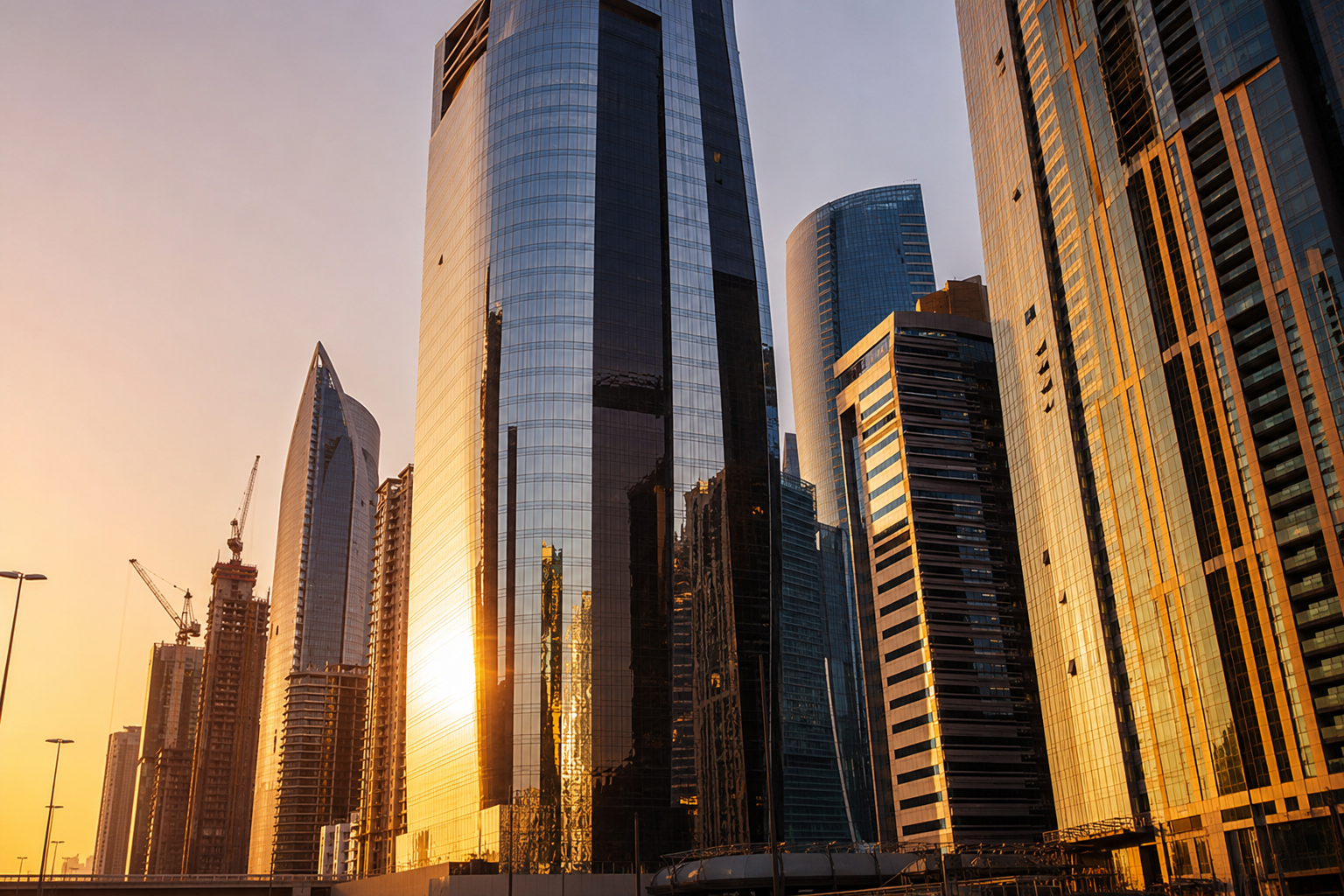
Commercial real estate has pulled ahead of every other property segment in the UAE this year, with office rents in Dubai and Abu Dhabi posting double-digit growth in the second quarter of 2026 even as the residential and hospitality markets cooled sharply, according to the latest UAE Real Estate Market Review from CBRE Middle East.
Demand for high-quality, Grade A office space remains exceptionally strong, driven by multinational corporations, financial institutions, technology firms and regional headquarters continuing to expand their footprint across the two emirates. Limited supply of premium office stock has pushed rents higher and kept occupancy tight in both cities.
The numbers behind the office boom
Dubai's average office rents rose 13 percent year on year in the second quarter, with prime leases climbing 16 percent and occupancy holding near 94 percent. Abu Dhabi recorded even stronger growth, with rents up nearly 16 per cent year-on-year and occupancy at around 96 per cent
. Both markets remain constrained by a shortage of Grade A space, which continues to put upward pressure on pricing.
| Market | Office Rent Growth (YoY) | Prime Lease Growth | Occupancy |
|---|---|---|---|
| Dubai | 13% | 16% | ~94% |
| Abu Dhabi | ~16% | N/A | ~96% |
"The second quarter marked a notable shift in the UAE's economic and real estate landscape, as regional geopolitical developments began to weigh on business activity, tourism flows and broader market sentiment," said Matthew Green, head of research at CBRE MENA. "While several sectors have seen a moderation in performance, the impact has been uneven, with office and industrial markets continuing to benefit from limited supply and sustained occupier demand."
Residential markets diverge sharply
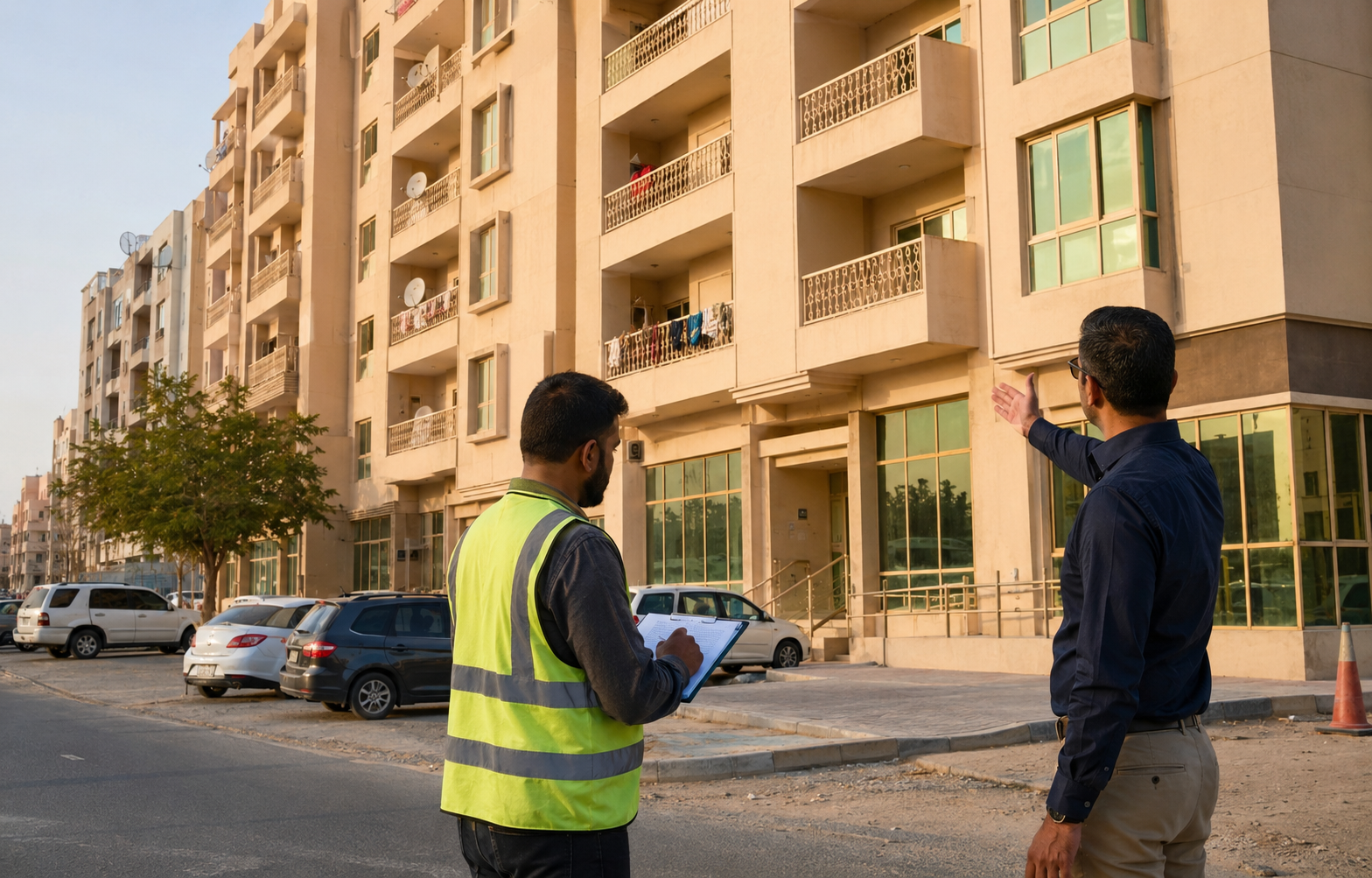
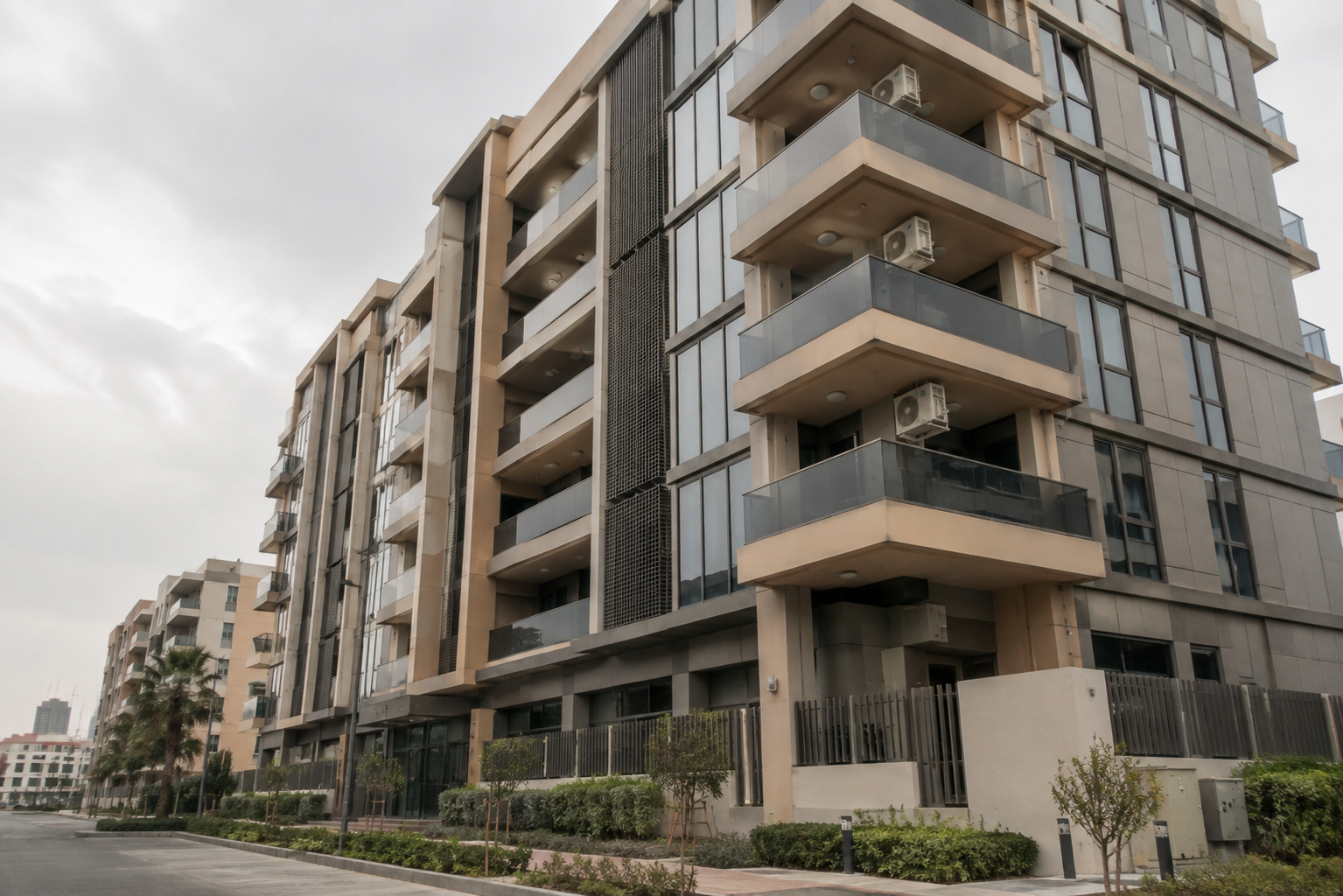
Dubai's residential market cooled noticeably. Transactions fell 29 percent year on year to fewer than 37,000 deals, and total sales value dropped to AED 88 billion (about $23.9 billion) from close to AED 154 billion a year earlier. Residential rents slipped 2.6 percent year on year even as sales prices edged up 1.9 percent, a sign that the correction is concentrated in leasing rather than ownership.
A separate Living Market Dynamics report from JLL found the UAE's residential sector experienced a simultaneous moderation in both sales prices and rents during the second quarter, following a period of rapid growth, as rising supply met cooling demand amid regional uncertainty. That trend lines up with Dubai's AED 419.9 billion in H1 2026 property transactions, where off-plan offices, not residential units, were the standout performer.
Abu Dhabi moved in the opposite direction. Residential values rose 21.6 percent year on year, sales values jumped roughly 150 percent to AED 32 billion, and transaction volumes climbed around 80 percent. Authorities in both emirates have introduced measures to ease pressure on tenants, including Abu Dhabi's decision to freeze rent increases in June and Dubai's expanded Flexi Rent initiative, which allows tenants to pay in instalments rather than a lump sum.
Hospitality and retail feel the pressure
UAE hotel occupancy fell 27.7 percentage points year on year through June, and revenue per available room dropped 31.8 percent. Dubai was hit hardest, while Abu Dhabi was cushioned by domestic and event-led tourism. Retail proved more resilient: occupancy held firm at around 98 percent in Dubai and 95 percent in Abu Dhabi, with Dubai retail rents still rising about 3 percent year on year.
For occupiers and investors, the message from CBRE's data is one of divergence rather than a broad slowdown. Grade A office space remains scarce and expensive to secure in both Dubai and Abu Dhabi, which matters for any company planning regional expansion or a headquarters relocation. Residential softness in Dubai and hospitality weakness across the UAE suggest 2026 is shaping up as a sector-by-sector market rather than a uniform one, and investors are likely to price that divergence into decisions over the second half of the year. Residential softness in Dubai and hospitality weakness across the UAE suggest 2026 is shaping up as a sector-by-sector market rather than a uniform one, and investors are likely to price that divergence into decisions over the second half of the year. Residential softness in Dubai and hospitality weakness across the UAE suggest 2026 is shaping up as a sector-by-sector market rather than a uniform one, and investors are likely to price that divergence into decisions over the second half of the year.
The broader picture fits a regional pattern. Saudi Arabia's Real Estate Price Index rose 1.3 percent year on year in the second quarter as gains in residential and agricultural properties offset weaker commercial values, while Qatar's property price index climbed to a record 244.56 points in May on strong transaction activity and mortgage lending. Against that backdrop, the UAE's office market stands out as one of the region's more resilient corners of commercial real estate.