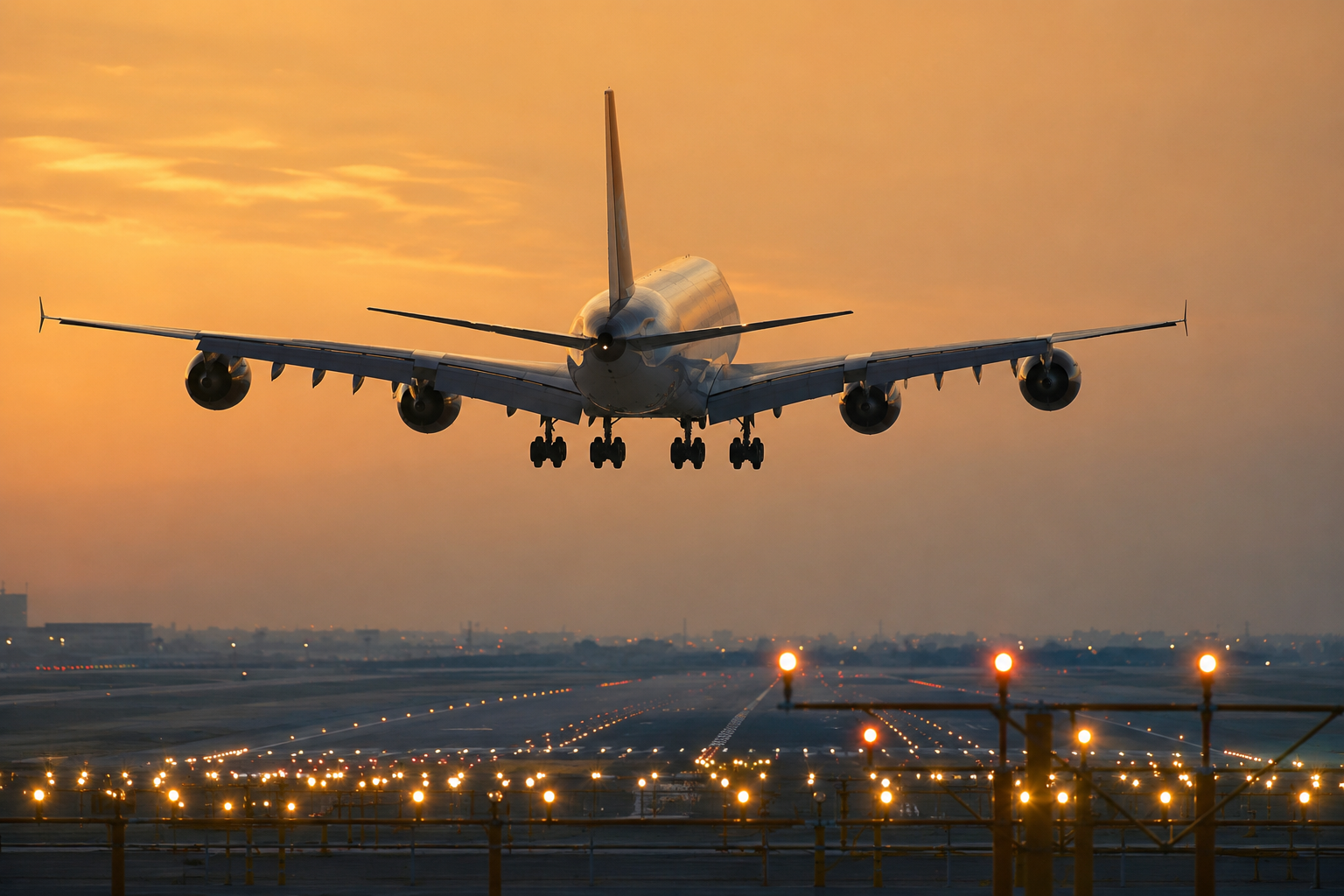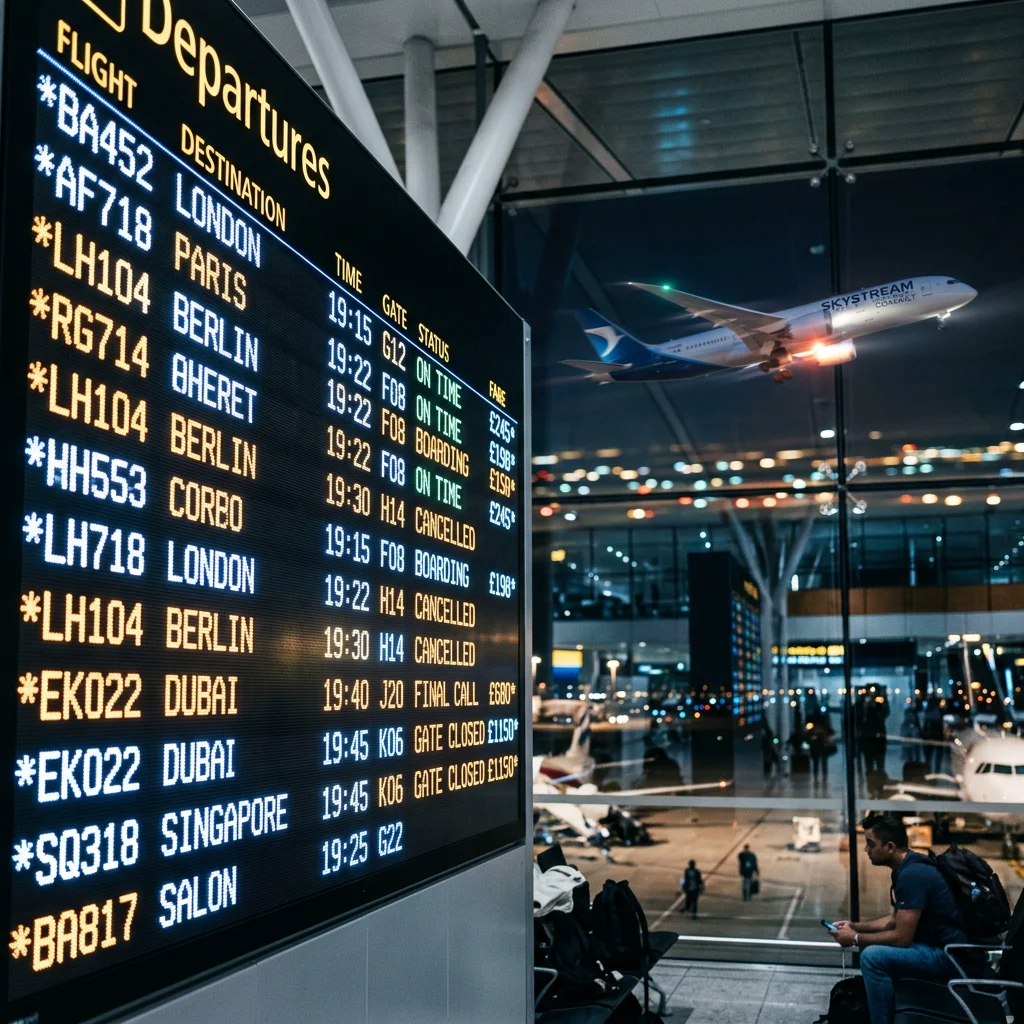
DUBAI – Travelers in the United Arab Emirates are facing a new reality in aviation: airfares that shift not over days, but within hours. While the fundamental real-time pricing models used by airlines remain unchanged, the external pressures of 2026—ranging from fuel volatility to massive capacity reductions—have accelerated price adjustments to near-instantaneous speeds.
The Economic Drivers of Price Instability
The primary catalyst for the current pricing surge is the extreme volatility in energy markets. According to the International Air Transport Association (IATA), jet fuel prices are currently averaging $179 per barrel.
Prior to recent regional conflicts, fuel was projected to constitute approximately 25.7% of total airline operating costs. With fuel remaining the single largest expenditure, carriers are being forced to adjust fares immediately to protect narrow profit margins against these rising overheads.
Capacity Constraints and Operational Challenges
Data from Cirium underscores a dramatic contraction in regional flight availability. In March 2026, Middle East-based carriers saw a 52% year-on-year decline in flight frequency. This reduction is attributed to several factors:
- Mass Cancellations: An estimated 5 million passengers were affected by cancellations between late February and early March.
- Airspace Restrictions: To ensure safety, airlines are bypassing conflict zones. These longer flight paths result in higher fuel burn and lower aircraft utilization, effectively reducing the number of flights a single aircraft can perform daily.
- Supply and Demand: With fewer seats available, lower-priced fare buckets are exhausted almost as soon as they are released, triggering automated systems to move to the next price tier.
The "Search Effect" and Real-Time Inventory
A common misconception among travelers is that airlines raise prices based on individual search history. Industry experts clarify that systems respond to aggregate market activity. When inventory decreases due to high demand or canceled routes, the system adjusts in real time to reflect the remaining scarcity.
The Ripple Effect on the Hospitality Sector
The volatility is not confined to the air. The hotel industry is seeing an uneven response to these disruptions. In hubs with stable connectivity, hotel rates remain firm. Conversely, in destinations where flight access has been severed, demand has softened. Industry data suggests that the recovery of the hospitality sector remains strictly tethered to the reopening of air routes and the stabilization of flight schedules.
Strategic Advice for UAE Travelers
To navigate this turbulent pricing environment, experts recommend a shift in booking behavior:
- Prioritize Flexibility: Small shifts in travel dates can yield significantly lower fares before cheaper inventory is depleted.
- Book Early, Not Late: The era of the "last-minute deal" is increasingly risky. On high-demand routes, waiting often leads to paying a premium.
- Cross-Platform Comparison: Prices can vary between direct airline sites and third-party aggregators due to varying fee structures.
- Monitor Route Stability: Stay informed on airspace changes, as route extensions directly influence the final ticket price.
As the aviation landscape continues to adapt to structural shifts in 2026, UAE residents must remain agile, utilizing early booking strategies to mitigate the impact of a highly reactive market.