Dubai's Aviation Mega-Project Is Not Slowing Down
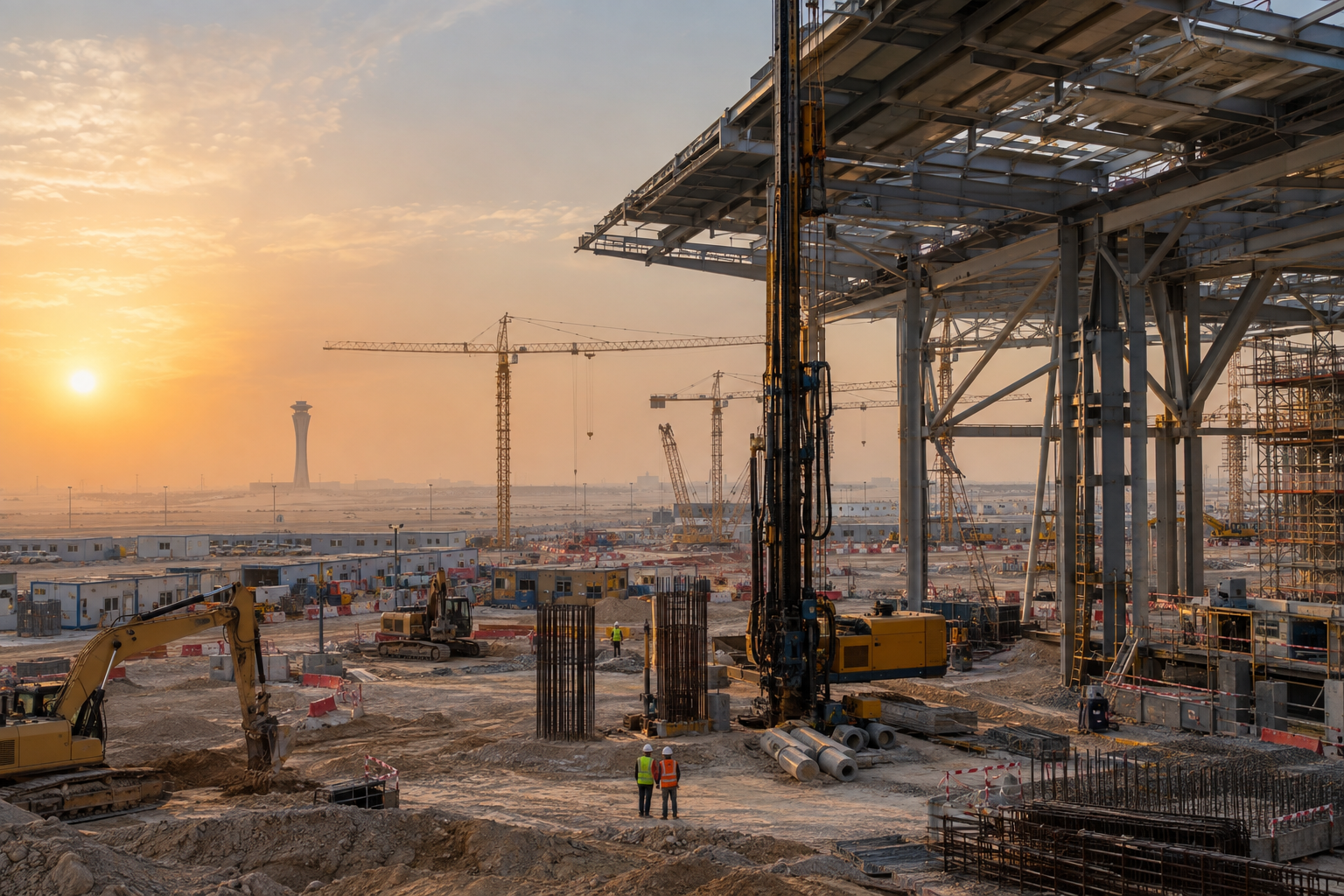
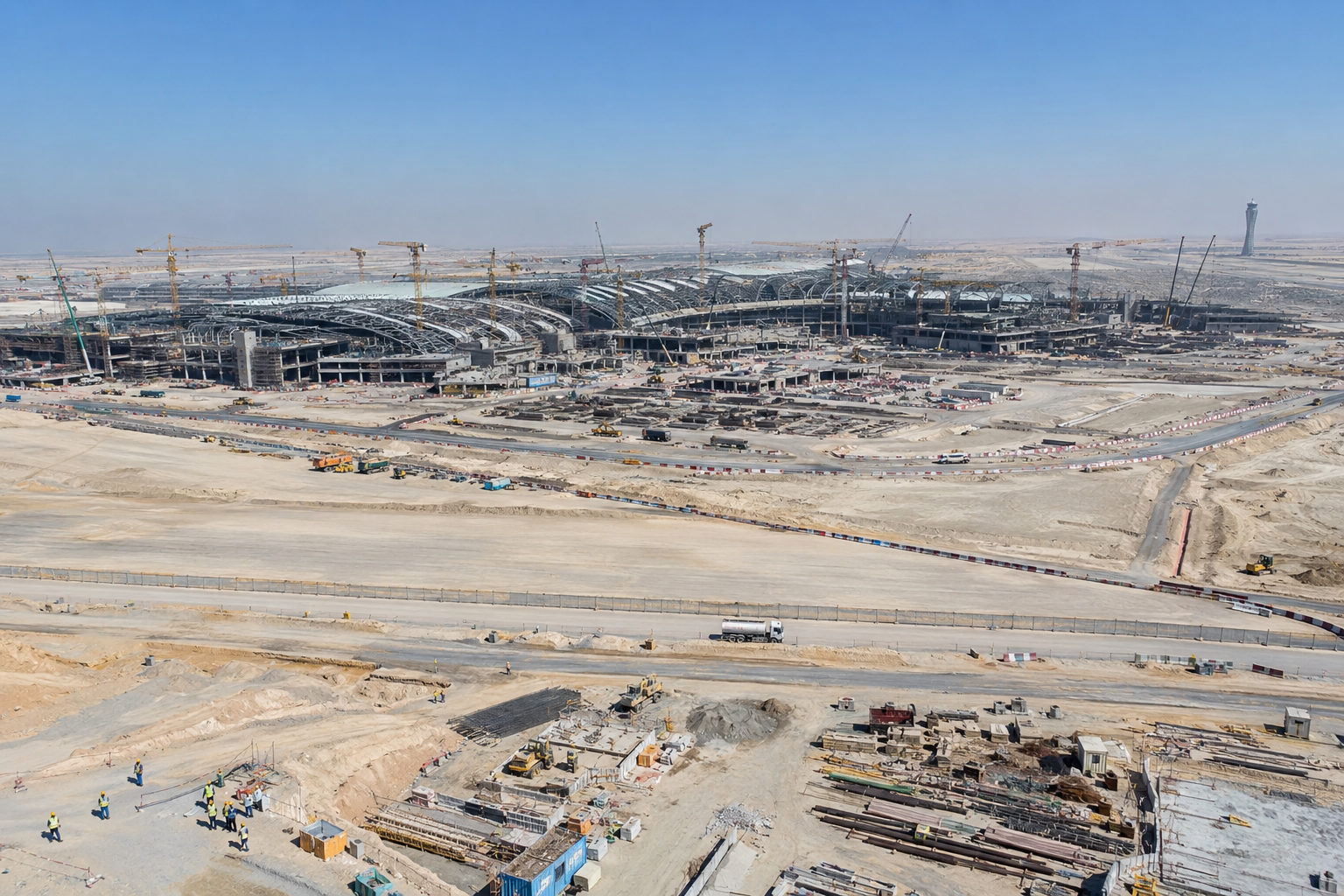
There were reasonable questions about whether ongoing regional instability would delay one of the world's most ambitious infrastructure projects. Dubai Airports has answered them directly. According to reporting by Khaleej Times, the expansion of Al Maktoum International Airport at Dubai South is progressing as planned, with no changes to construction timelines or the investment framework underpinning the project.
For a project of this scale, that is a significant statement. The expansion carries a price tag of approximately AED 128 billion (around USD 34.85 billion) and is designed to eventually accommodate up to 260 million passengers annually, making it five times the size of the existing Dubai International Airport.
📖 Read Also: Emirates SkyCargo Launches Its First Dedicated Central Asia Route, Connecting Dubai and Almaty
What the Expansion Actually Involves
Al Maktoum International Airport, also known by its IATA code DWC, sits within the 140 square kilometre Dubai South aerotropolis in Jebel Ali. According to Dubai Aviation Engineering Projects (DAEP), the completed airport will feature five parallel runways, 400 aircraft gates, and will run entirely on clean energy through expansive solar infrastructure. It is designed from the ground up to be the global centre for logistics, cargo, and passenger aviation.
The plan is for Al Maktoum to eventually absorb all major operations from Dubai International Airport (DXB), which is projected to reach capacity limits around 2031. The transition is being planned as a single coordinated switch to avoid operational disruption.
| Al Maktoum International Airport: Key Project Facts |
|---|
| • Total investment: approximately AED 128 billion (USD 34.85 billion) |
| • Planned capacity: up to 260 million passengers annually |
| • Size: five times larger than Dubai International Airport (DXB) |
| • Location: Dubai South, Jebel Ali, 37 km southwest of central Dubai |
| • Runways: 5 parallel runways planned at full build-out |
| • Gates: 400 aircraft stands |
| • Energy: fully solar-powered operations at completion |
| • Operator: Emirates as primary hub airline once DXB operations shift |
📖 Read Also: Dubai Tourist Visas Processed Within 48 Hours as Demand Surges Ahead of Peak Travel Season
How Regional Disruption Has Been Managed
The Middle East aviation sector did experience turbulence earlier in 2026, with airspace disruptions linked to regional conflict affecting flight routes and adding operational complexity for carriers flying through Gulf corridors. Dubai Airports maintained operations throughout, and recovery trends in the sector have been strengthening.
The fact that construction at Al Maktoum has continued without interruption reflects both the structural commitment Dubai has made to this project and the institutional capacity to sustain large infrastructure programmes during periods of external uncertainty.
What It Means for Dubai's Economy and Global Position
The airport's significance extends well beyond aviation. Dubai South is being developed as a full aerotropolis: a city built around an airport that integrates residential, commercial, logistics, and leisure districts in one master-planned zone. According to Gulf News, the project is expected to support up to one million people through job creation and housing in the surrounding area, positioning it as one of the most economically significant infrastructure investments in the region's history.
For B2B operators in logistics, cargo, freight, and aviation-adjacent industries, the continued progress of Al Maktoum is directly relevant. The airport's cargo capacity, once fully operational, is targeted at 12 million tonnes annually, cementing Dubai's position as a premier global freight hub.