The Transformation of the Traditional School Day
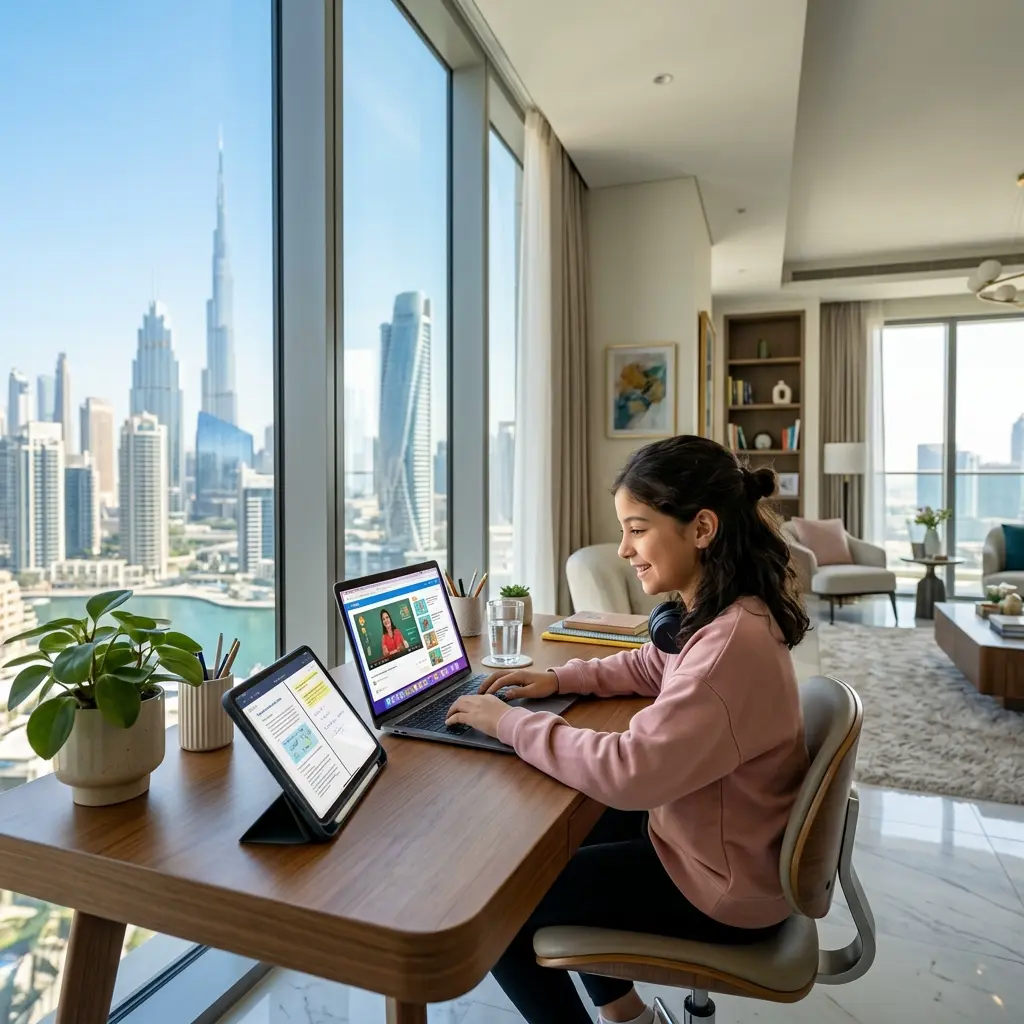
DUBAI, UAE — The traditional image of the school day, characterized by rigid schedules and physical commutes, is undergoing a profound transformation in the UAE. Driven by the rise of hybrid work, increased global mobility, and a heightened focus on student wellbeing, families across the region are increasingly trading the traditional classroom for flexible, personalized, and digital-first learning models.
What was once viewed as an "emergency solution" during the pandemic is now a burgeoning industry. The UAE’s online education market, valued at $400 million in 2024, is on a trajectory to explode to over $3 billion by 2033—a staggering 24% annual growth rate.
The Catalysts for Change: Why Parents are Pivoting
The shift toward alternative schooling is not merely a technological trend; it is a lifestyle response to a changing world. Several key factors are driving parents to look beyond traditional school gates:
- Hybrid Lifestyles: As parents embrace remote and flexible work, they seek education models that allow for travel and geographical mobility without disrupting academic progress.
- Academic Pressure & Wellbeing: Increasing stress levels in traditional environments have led parents to prioritize mental health.
- Diverse Learning Needs: Families of neurodivergent learners, elite young athletes, and students with specialized interests are finding that the "one-size-fits-all" system often falls short.
"Many families are seeking an education model that adapts to the child, rather than expecting the child to adapt to the system," says Hugh Viney, CEO of Minerva Virtual Academy (MVA).
A New Architecture for Learning
Purpose-built online institutions like MVA, which recently expanded its Middle Eastern presence, are moving away from simple "Zoom school" setups. Instead, they utilize a four-pillar model designed specifically for the digital age:
| Pillar | How it Works |
|---|---|
| Asynchronous Learning | Students complete digital modules independently at their own pace. |
| Live Collaboration | Teacher-led sessions focus on discussion and deep engagement rather than lectures. |
| One-to-One Mentorship | Weekly sessions with a dedicated mentor to support academic and emotional growth. |
| Global Community | Virtual clubs and peer interaction to maintain social connectivity. |
This "flipped classroom" approach turns lessons into interactive conversations rather than one-way lectures, ensuring that when students enter a live lesson, they have already explored the topic independently.
Redefining Student Wellbeing
One of the most significant advantages of these alternative models is the focus on pastoral care. In a traditional setting, a student’s emotional needs can sometimes be lost in a crowded classroom. In the hybrid and online world, dedicated mentors help students to rebuild their confidence, ensuring that wellbeing is a core component of the curriculum.
The Future: A Diverse Educational Ecosystem
Education experts suggest that the future of schooling will not be a binary choice between online and offline, but rather a diverse ecosystem where both coexist. As the UAE continues to position itself as a global hub for innovation, the adoption of resilient, continuity-driven education models is expected to accelerate.
"Education is evolving," Viney concludes. "The future will likely involve more personalized pathways that allow every child to learn in the way that suits them best."