Dubai just approved AED18 billion in new projects, and the plan touches almost everything: roads, culture, finance, even how the city tracks its own population.
across 8 approved strategies and projects: infrastructure, Islamic finance, culture, trade, and real time population data.
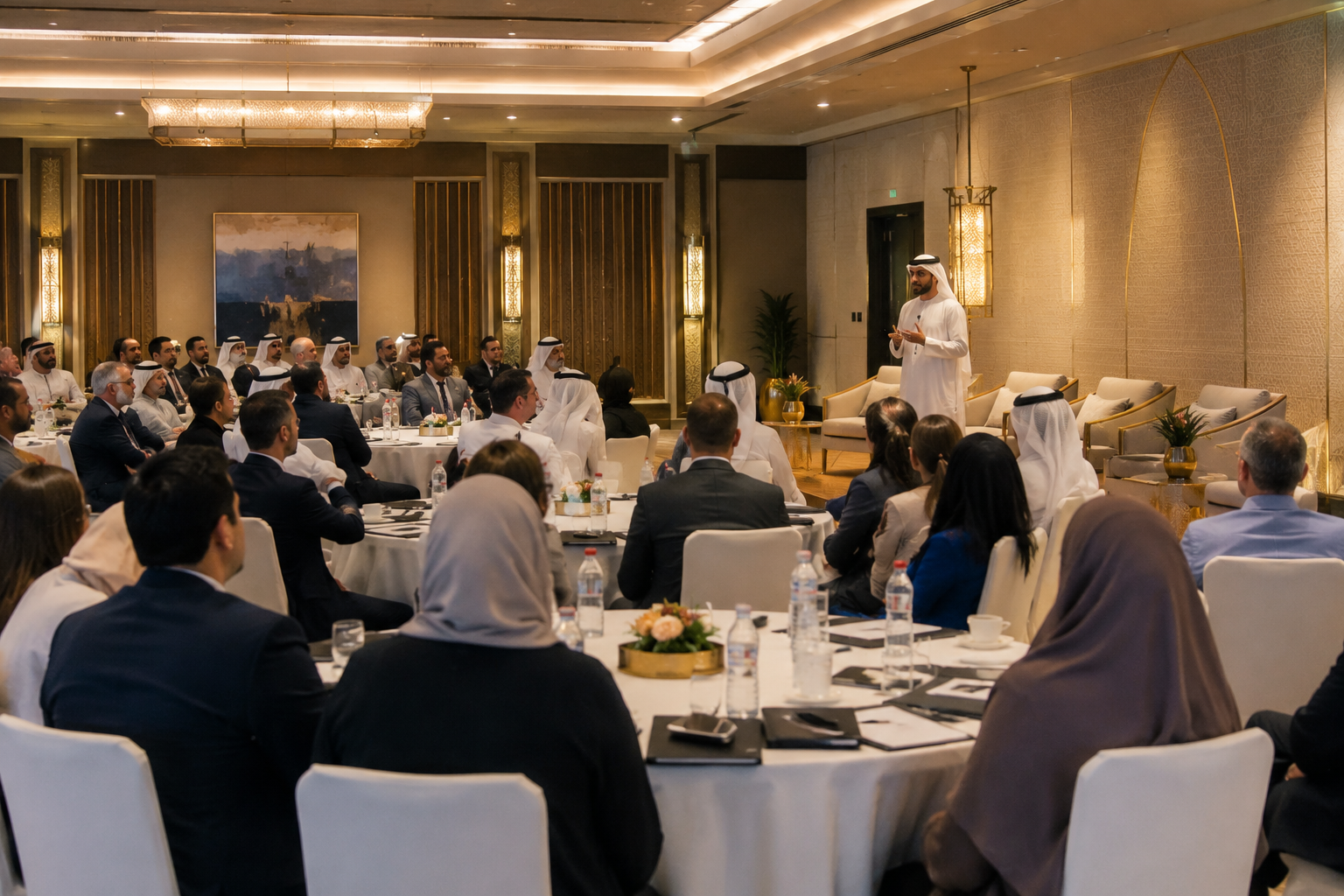
The Executive Council signed off on the package on July 1, chaired by His Highness Sheikh Hamdan bin Mohammed bin Rashid Al Maktoum, Crown Prince of Dubai. It is not one project. It is eight, stacked together, spanning infrastructure, Islamic finance, culture and data.
For anyone running a business in Dubai, the details matter more than the headline number.
The Big One: A 15km Fix For Sheikh Zayed Road
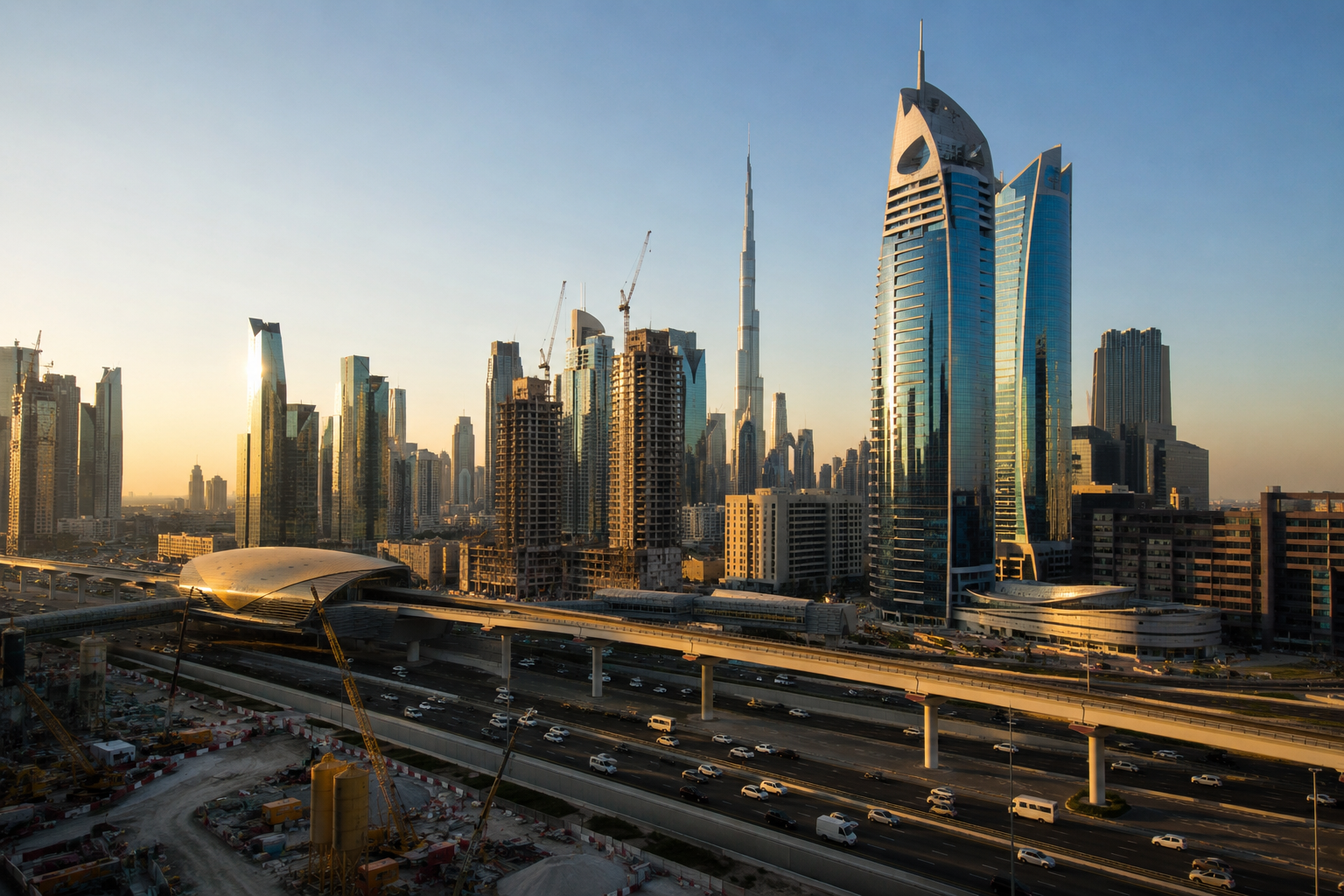
The single biggest line item is a new elevated road. The First Al Khail Street Development Plan adds a 15 kilometre corridor, three lanes each way, running parallel to Sheikh Zayed Road. It will connect Al Barsha, Al Quoz, Business Bay and Meydan, serve 2.6 million people, and cut peak travel time on Sheikh Zayed Road by 51 percent. Construction starts in the third quarter of 2027 and wraps by the end of 2030.
| Metric | Detail |
|---|---|
| Corridor length | 15 kilometres, elevated, 3 lanes each direction |
| Areas served | Al Barsha, Al Quoz, Business Bay, Meydan |
| People served | 2.6 million residents |
| Peak travel time cut | 51 percent on Sheikh Zayed Road |
| Added capacity | About 9,000 vehicles per hour |
| Timeline | Construction Q3 2027 to completion Q4 2030 |
That is a five year head start for anyone planning a warehouse, office or logistics hub near those corridors.
Dubai Wants To Own A Slice Of The $9.31 Trillion Islamic Fintech Market
On the financial side, Dubai is building a Global Centre for Technology and Innovation in Islamic Finance, run by the Dubai International Financial Centre with global partners. The bet: Islamic fintech is heading toward a $9.31 trillion global market by 2030, and Dubai wants a seat at the centre of it. The centre will run an Islamic Finance Innovation Challenge for banks and start ups, plus a Future Islamic Finance Forum on November 4, 2026. A DIFC Academy training track is targeting more than 3,000 people by 2031.
A Live Dashboard For Dubai's Population
Then there is data. Dubai Population Now is a real time census tool built on AI forecasting, run by the Dubai Data and Statistics Establishment. Instead of waiting for periodic surveys, the city will track population shifts as they happen and feed that straight into housing, healthcare, education and transport planning. For companies scaling headcount or hunting for office space, that is a live read on where the city's growth is actually happening.
The Rest Of The Package
- Dubai Cultural Strategy 2033, a 40 initiative roadmap for the city's creative economy
- A unified Dubai Investor Register to simplify investor tracking and services
- A new visual identity for the emirate's address system
- An updated Dubai Customs Strategy focused on trade facilitation
- Emirati Talents Strategy in Private Education
READ ALSO
Sheikh Hamdan: Dubai Does Not Wait for the World to Stabilise. It Leads.
Why This Is Not A One Off
The package also includes a Dubai Cultural Strategy 2033 with 40 initiatives aimed at building the city's creative economy, a unified Dubai Investor Register to simplify how the city tracks and services investors, a new address identity system, and an updated Dubai Customs Strategy focused on trade facilitation.
READ ALSO
Dubai's Dh1 Billion Blueprint: 5 Strategic Moves to Supercharge the Economy
Sheikh Hamdan framed the approvals as continuity, not a one off. Dubai, he said, backs its words with action. The projects build directly on the Dubai Plan 2033 and the Dubai Social Agenda 33, and they land just months after the city's Dh1 billion cost of living relief package.