Dubai's hospitality industry is recovering, and the order matters: tourists will come back before hotel room prices do. That is the view from Accor, one of the world's largest hotel groups, which operates dozens of properties across the UAE and the wider Gulf region.
Following months of regional conflict that disrupted travel sentiment, the market is beginning to stabilise. Airline connectivity is improving, major events are returning to Dubai's calendar, and international travellers are starting to book again. But while occupancy levels are expected to rise in the coming months, average room rates are likely to take longer to rebound.
What Accor's Leadership Is Saying
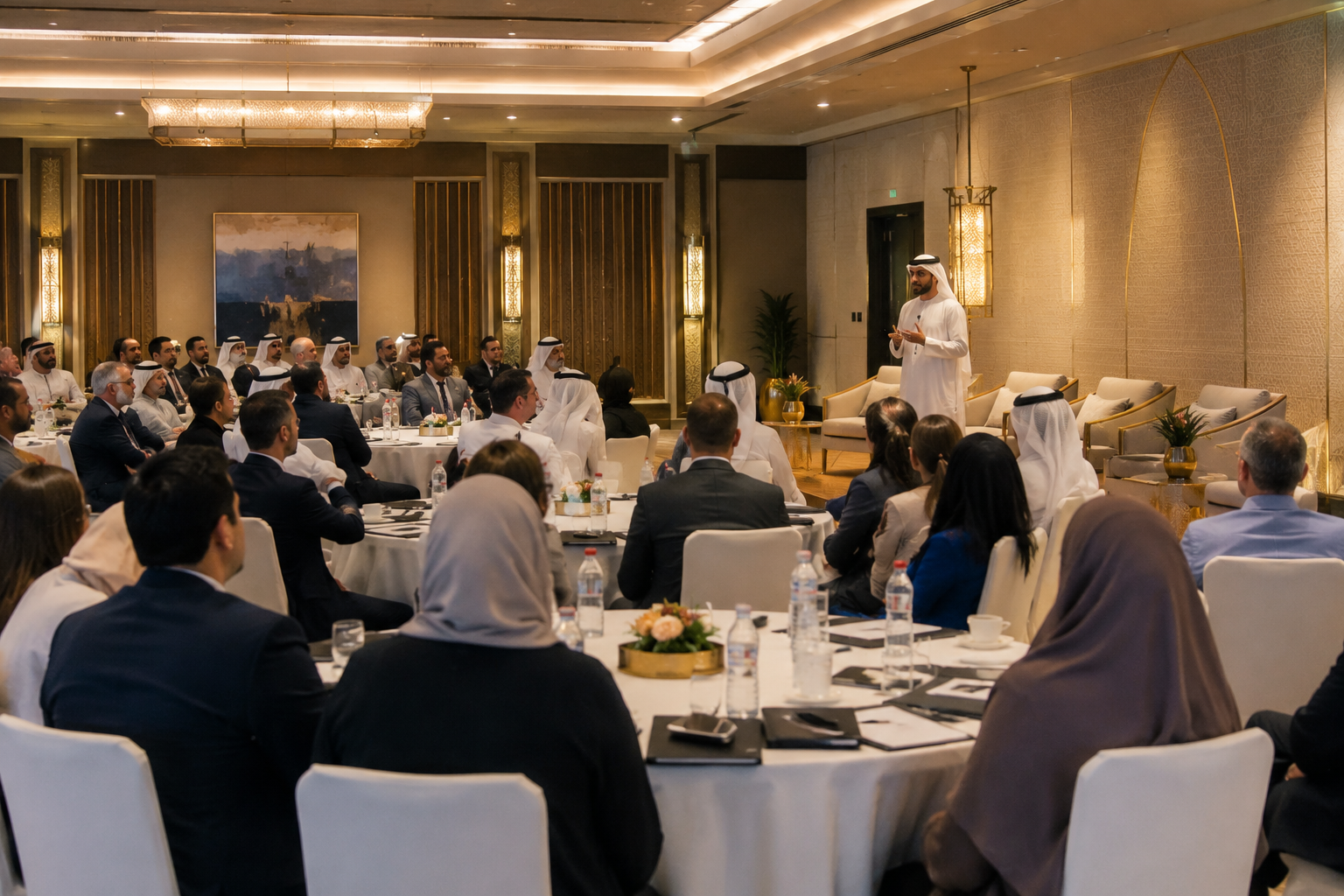
Duncan O'Rourke, CEO of Accor for the Middle East, Africa and Asia Pacific, said the sector has entered a recovery phase. He expects occupancy to improve before average daily rates fully return, with pre-conflict performance levels likely to resume somewhere between Q1 and Q2 of 2027.
The near-term story is volume first, then pricing. That pattern is typical in hospitality recoveries and signals a market that is rebuilding confidence gradually rather than pricing itself back too early.
| Quick Stats: Dubai Hospitality Recovery Timeline |
| • Conflict impact period: Early 2026 |
| • Occupancy recovery expected: Late 2026 |
| • Room rate recovery expected: Q1 to Q2 2027 |
| • Accor's regional portfolio: Multiple properties across UAE and GCC |
Why Dubai's Long-Term Outlook Stays Strong
Accor remains bullish on Dubai despite the short-term headwinds. The reasons are structural: the UAE government's active tourism strategy, continued investment in world-class infrastructure, and Dubai's positioning as both a global business hub and a top-tier leisure destination.
On top of that, several demand-side shifts are reshaping how the sector performs. Guests are staying longer. Demand for luxury experiences is climbing. And AI is being woven into everything from personalised booking journeys to operational efficiency on the ground. These trends are expected to lift hotel performance over time and make the recovery more sustainable than previous cycles.
Related: UAE Hotels Brace for Tourism Rebound as Travel Confidence Returns
The Bigger Picture for B2B Buyers
For businesses operating in hospitality, travel tech, or the event and MICE sector, this timeline has practical implications. Corporate travel budgets set for H2 2026 can factor in still-competitive room rates before pricing firms up through 2027. Groups planning large events in Dubai should move now while supply flexibility remains.
Accor's report also reinforces Dubai's fundamentals for investors and operators. The dip was external and temporary. The long-term demand drivers, government backing, global event pipeline, and infrastructure spending remain firmly intact.
Also read: Emirates Airliness Is Giving Away Free Hotel Nights in Dubai This Summer