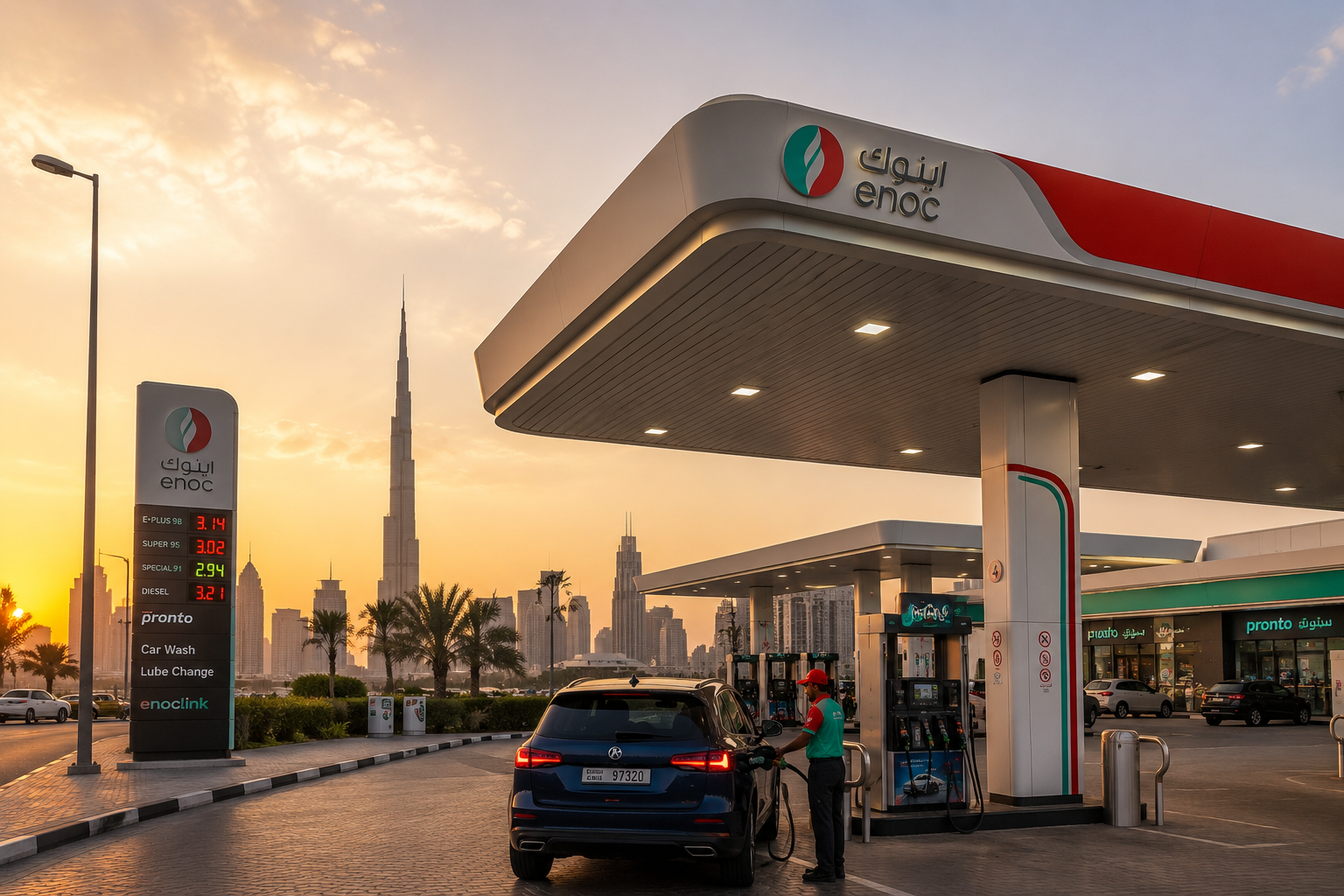
Global oil markets ended the week on a firmer note, but the headline numbers don't tell the full story. While major benchmarks like WTI and Brent crude posted solid gains, the real signal came from the divergence between regional grades: a split that reveals just how fragmented global supply chains have become.
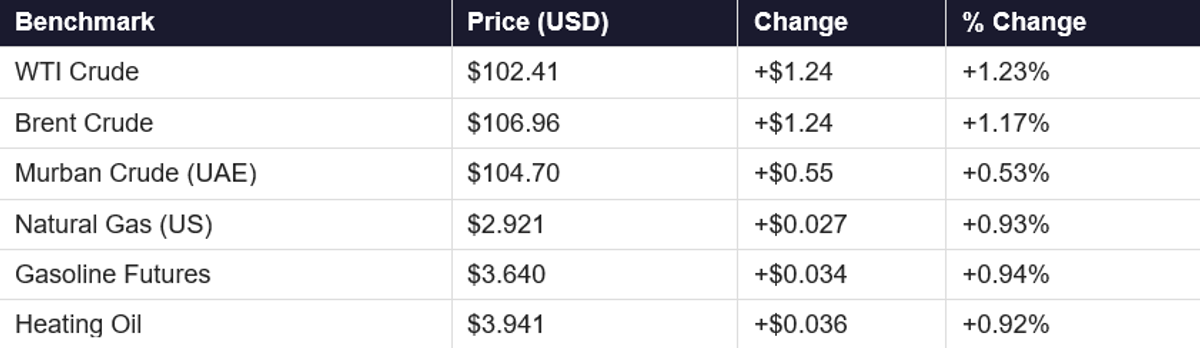
The Benchmark Snapshot: Friday, May 15, 2026
As of 2:01 PM Tokyo time, global crude benchmarks moved in lockstep upward:
The Regional Divide: Where It Gets Interesting
Beyond the headline benchmarks, the picture becomes more complex. Several regional crude grades surged significantly above the primary indices, while others declined: a pattern that market analysts are attributing to a combination of geopolitical shipping constraints, sanctions-driven rerouting, and localised supply-demand dynamics.
Strong performers:
- OPEC Basket: Surged $7.43, reaching $115.09: the standout mover of the session.
- Dubai Crude: Rose $6.18 to $103.76: a positive signal for regional producers.
- Indian Basket: Gained $6.53, settling at $109.05.
- Cushing & Giddings (US): Both jumped $7.10.
Under pressure:
- Urals Crude: Dropped sharply by $4.56 to $97.51, reflecting continued sanctions-related discount pressures on Russian exports.
- Mars Crude: Fell $0.93 to $121.23.
- Western Canadian Select: Declined $1.16 to $88.67.
- WTI Midland: Slipped slightly to $103.03.
What's Driving the Market?
Two forces are doing most of the work: OPEC+ production discipline and geopolitical risk premiums. Traders are carefully watching signals from major exporters about output volumes, while ongoing regional tensions, particularly those affecting shipping lanes, continue to create supply uncertainty that supports prices.
The sharp decline in Urals Crude is particularly telling. With Russian oil still trading at a significant discount due to Western sanctions and complex rerouting through alternative buyers, the grade's weakness contrasts starkly with the strength of Gulf-origin crudes.
For regional energy players, particularly those in the UAE and GCC, the rise in Dubai Crude and the OPEC Basket is a constructive sign. It suggests that Gulf producers are maintaining pricing power despite broader market volatility.
Beyond Oil: Natural Gas and Renewables
The broader energy complex remained largely positive:
- Dutch TTF Natural Gas (European benchmark): Rose $0.82 to $16.09.
- LNG Japan/Korea Marker: Edged higher by $0.11 to $16.99.
- Ethanol: Bucked the trend, falling $0.033 to $1.953, reflecting specific US market dynamics.
The TTF gain matters for Dubai-based energy traders and LNG-focused businesses, as European gas pricing continues to act as a barometer for global supply tightness.