A Drone Hit Infrastructure Outside Barakah. The UAE Wants a Global Response.
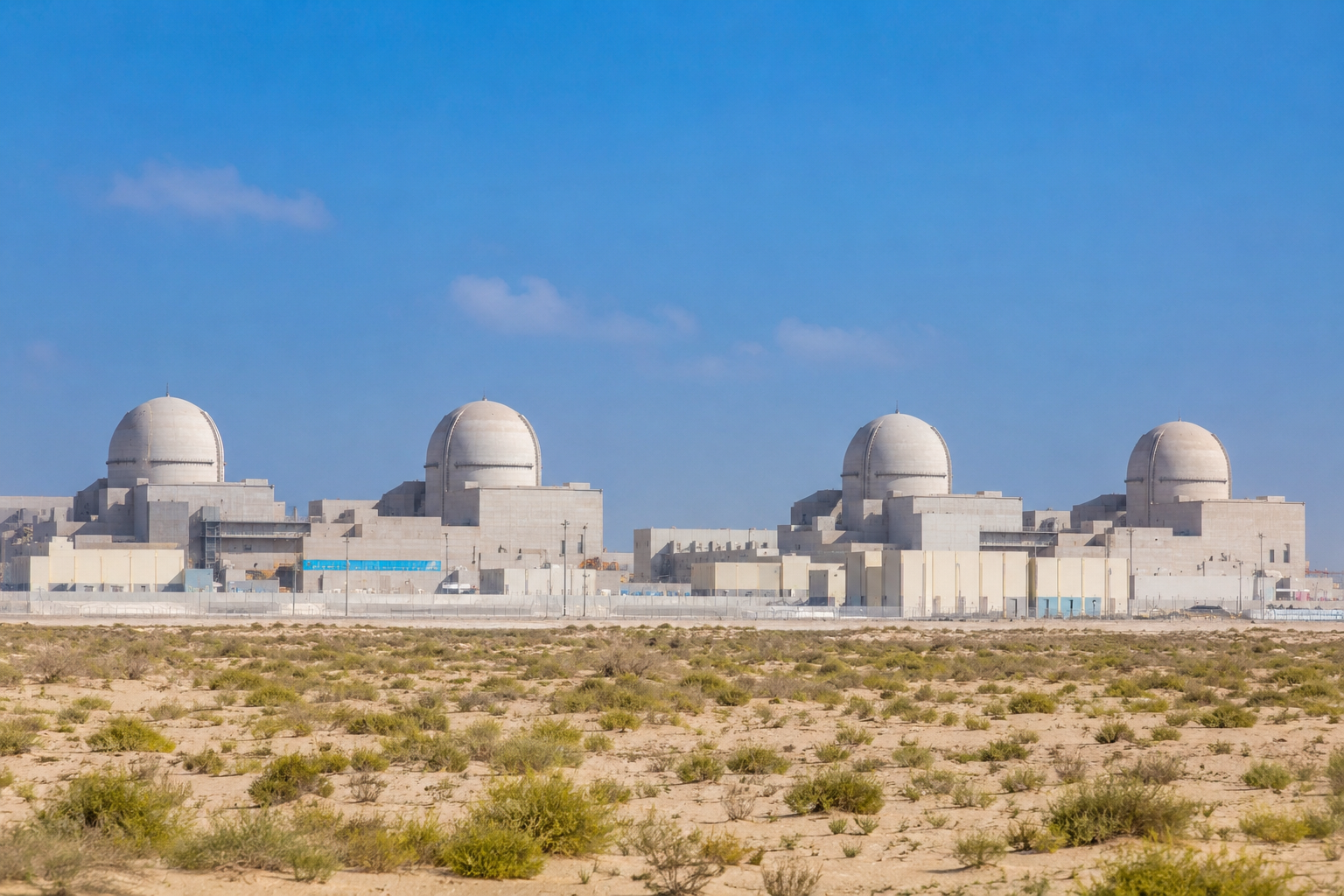
On May 19, 2026, a drone struck an electrical generator located outside the security perimeter of the Barakah Nuclear Power Plant in Abu Dhabi's Al Dhafra region. The attack caused a fire that emergency teams extinguished quickly. No one was injured, and radiation monitoring confirmed that levels remained entirely normal throughout the incident.
The plant itself was not penetrated. However, the UAE government moved swiftly to escalate the matter to the United Nations Security Council, characterising the strike as a dangerous provocation that demanded an unequivocal international response.
What Happened and What Is the Current Status
The drone targeted a generator outside the inner security perimeter of the Barakah facility. Unit 3 of the plant temporarily switched to emergency diesel generators while offsite power was being restored. It has since been returned to normal operational status.
Barakah Nuclear Plant Status Following the Incident
| Parameter | Status Post-Incident |
|---|---|
| Core Reactor Integrity | Safe and unaffected |
| On-Site Radiation Levels | Normal (no leaks detected) |
| National Grid Contribution | Stable (supplying 25% of UAE power) |
| Offsite Power Supply | Restored via backup systems |
| Personnel Status | 100% accounted for; no injuries |
For context, the Barakah plant generates over 40 terawatt-hours of electricity annually, supplying up to 25% of the UAE's total power needs. It is the cornerstone of the country's clean energy transition and a nationally critical asset.
The UAE's Position at the UN Security Council
UAE Ambassador Mohamed Abushahab addressed an emergency session of the UN Security Council in New York, framing the strike as a direct violation of international law and a threat to both regional and global peace. He stated clearly that the UAE considers attacks on civilian critical infrastructure a red line and that the country would not tolerate threats to its sovereign territory.
UAE intelligence indicated the drone originated from Iraqi territory, with regional proxy groups implicated in the operation. The ambassador called on the Security Council to issue a firm, unified condemnation and to act in a way that prevents such incidents from becoming normalised.
The IAEA Briefed the Council Directly
International Atomic Energy Agency Director General Rafael Mariano Grossi briefed council members on the technical risks involved. His statement was measured but pointed. "This is a nuclear site in the Middle East where the consequences of an attack could be most serious," Grossi told the council.
He outlined the scenario that the international community is working to avoid: a direct hit on an operating reactor, or a sustained disruption of external power to the facility, could trigger core degradation and a significant release of radioactivity. The current incident did not reach that threshold. But it came close enough to warrant urgent attention.
How the Security Council Responded
Permanent and non-permanent members of the Security Council, including the United States, Russia, China, and India, expressed broad condemnation. Delegates reiterated the protections afforded to civilian nuclear facilities under international humanitarian law and the Geneva Conventions.
The UAE's delegation concluded with a direct challenge to the council: a failure to deliver a clear, collective response risks establishing a precedent in which attacks on civilian energy infrastructure become a viable and unpunished tactic in regional conflicts.
The Broader Stakes for Energy Security
For businesses and governments operating in the Gulf, this incident raises a question that goes beyond the Barakah plant specifically. The UAE's clean energy infrastructure is deeply integrated into its economic development plans. Any sustained threat to that infrastructure carries consequences not just for electricity supply but for investor confidence, energy pricing, and the region's long-term stability.
The UAE's decision to take this directly to the Security Council, rather than handling it solely through bilateral or regional channels, signals that it views this as a matter of global norm-setting, not just national security.