The $100 Barrel: Why the Hormuz Ceasefire Hasn't Lowered Oil Prices Yet
The skies over the Middle East may have gone quiet under a fragile two-week ceasefire, but for the global energy market, the "all-clear" signal remains elusive. Despite diplomatic assurances, the Strait of Hormuz—the world’s most vital energy artery—remains a high-risk exclusion zone, pushing crude prices back toward the psychological $100-per-barrel mark.
Market Reaction: The Return of the Risk Premium
Initial optimism following the ceasefire announcement briefly sent oil prices plunging and global stock markets rallying. However, that sentiment proved short-lived. As reality set in—and tankers remained anchored—prices began a steady climb.
Current Market Snapshot (as of 5:07 AM GMT):
- Murban Crude: $99.62 (+2.03%)
- WTI (West Texas Intermediate): $98.25 (+0.27%)
- Brent Crude: $96.50 (+0.60%)
The uptick reflects a harsh reality: the global economy depends on fluid traffic through a waterway that handles roughly 20% of the world’s oil supply. Without movement, the "bottleneck tax" remains in full effect.
The "Paper" Peace vs. The Reality at Sea
While officials have exchanged mutual verbal assurances regarding the safety of the waterway, shipping executives are not biting. For the captains of industry, words are not enough to gamble with multi-billion dollar assets and crew lives.
Why Shippers are Staying Put:
- Lack of Formal Guarantees: Firms are demanding explicit, written safety protocols.
- Operational Ambiguity: There is currently no clear guidance on "safe" routes or approved transit schedules.
- Insurance & Risk: Until a long-term security framework is established, insurance premiums remain prohibitively high.
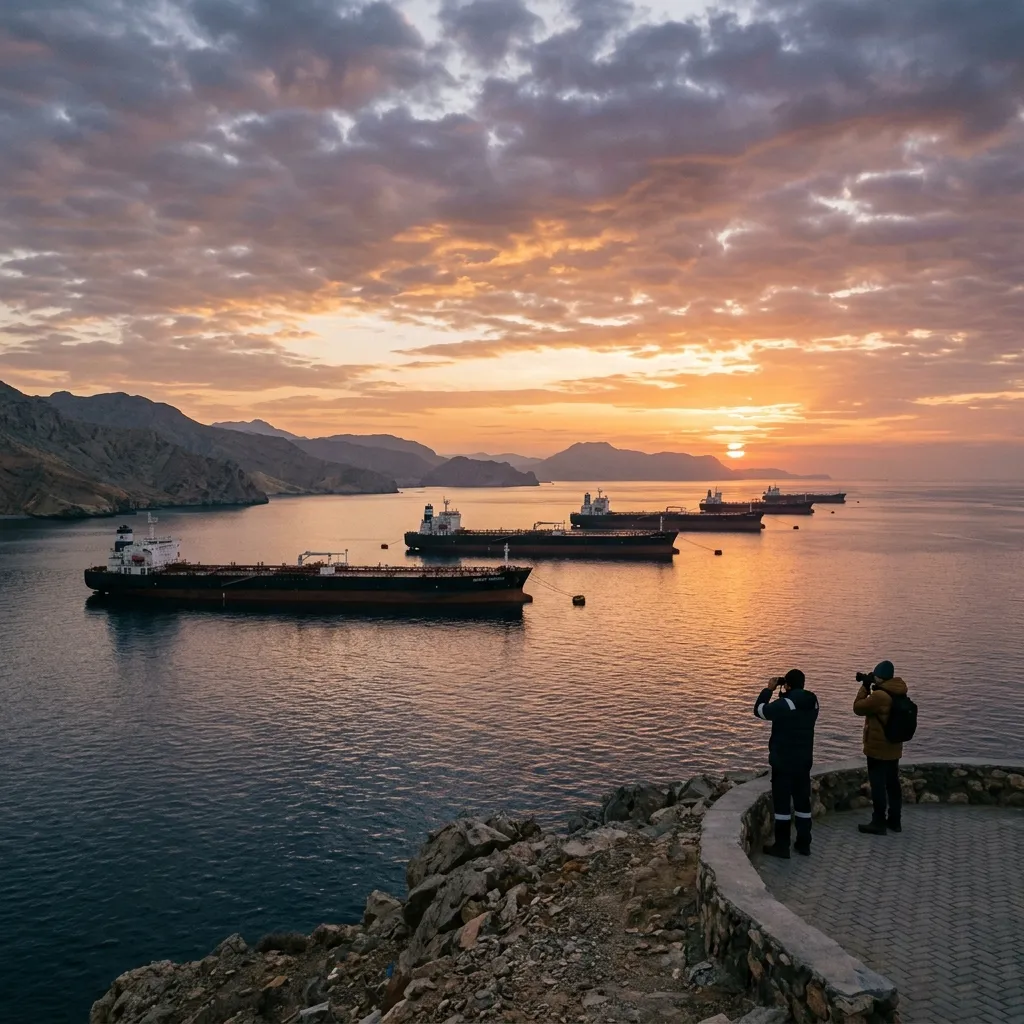
"Our top priority is the safety of our employees on land and at sea," stated a spokesman for a major shipping line. The world’s fifth-largest shipping line currently has six vessels "trapped" inside the Gulf, choosing to anchor rather than run the gauntlet.
A Logistics Logjam
Before the conflict, the 33-kilometer-wide strait saw upwards of 100 vessels daily. Today, data paints a much bleaker picture:
- The Trickle: Only two oil or gas tankers have attempted the transit since the ceasefire began.
- The Queue: Over 400 tankers, 34 LPG carriers, and 19 LNG vessels are currently clustered in the region, waiting for a signal that may not come soon.
The Long Road to Recovery
Analysts warn that the path back to "normal" is long. Even if a permanent peace is reached today, it could take six months or more for maritime traffic to recover to pre-war levels.
Until the framework of the ceasefire shifts from a quiet sky to a guaranteed sea lane, the global economy will continue to feel the squeeze of $100 oil. The Strait of Hormuz is technically open, but for the world's merchant fleet, the gate remains firmly locked.