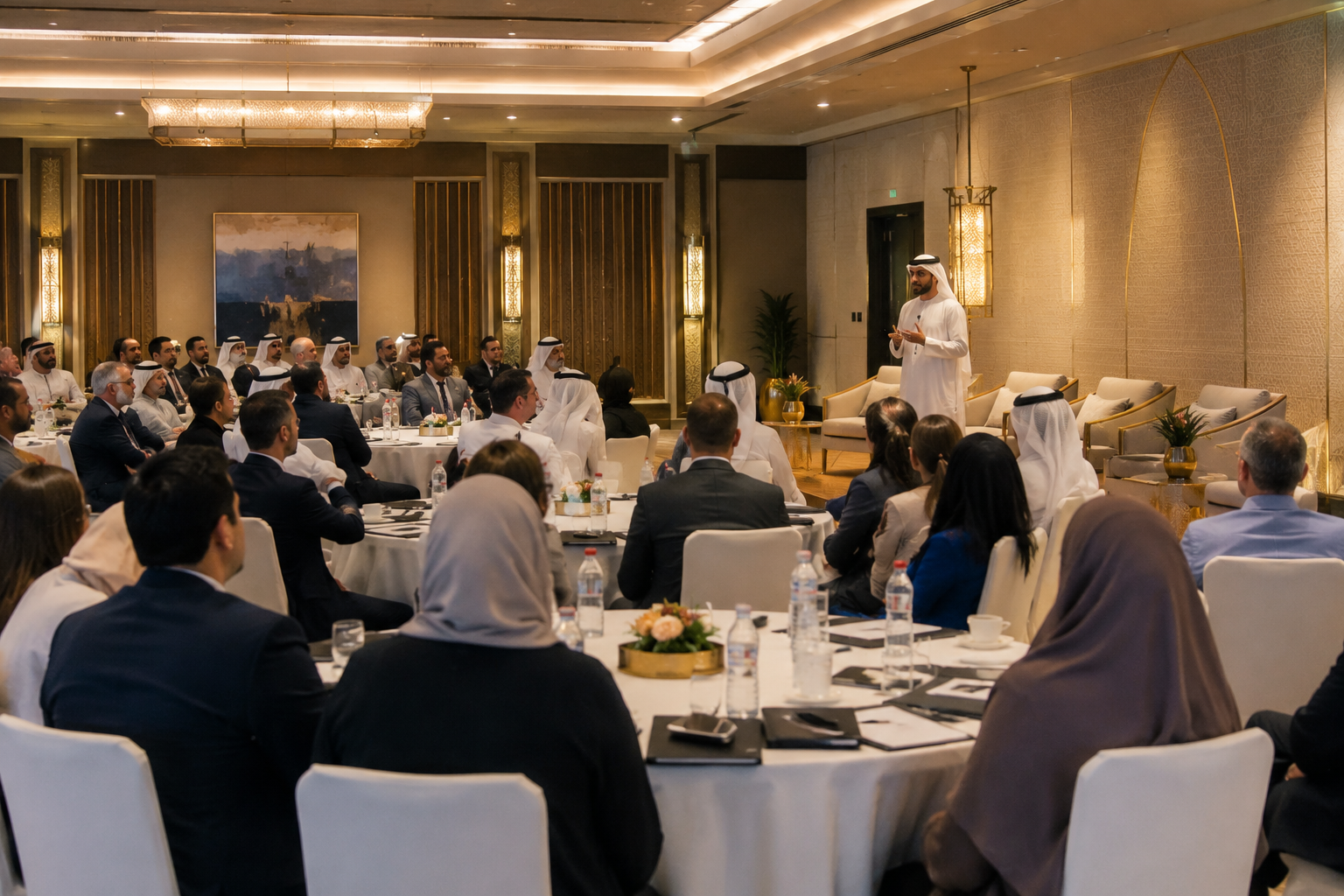
DUBAI — Dubai Taxi Company (DTC) has confirmed that it has undergone no workforce reductions despite recent fluctuations in regional travel demand. In a recent dialogue, Mansoor Rahma Alfalasi, Group CEO of DTC, emphasized that the company remains fully operational across all service verticals, navigating geopolitical tensions and shifting mobility patterns without structural disruption.
Strategic Resource Allocation
While the ongoing regional conflicts have impacted international travel, Alfalasi clarified that the effects on DTC have been demand-driven rather than operational. The company has adopted a proactive redistribution strategy to maintain efficiency:
- Fleet Redeployment: Capacity has been shifted away from volatile segments, such as airport transfers, toward high-demand, essential short-distance trips.
- Sector Growth: The e-hailing and delivery bike segments continue to show robust performance, with the latter recording an 84% year-on-year revenue increase to Dh78.4 million in 2025.
- Operational Resilience: DTC’s commission-based cost model allows for financial flexibility, enabling the firm to absorb demand shocks and pay dividends from internal cash generation without tapping external credit facilities.
Innovation and Sustainability Roadmap
The DFM-listed entity is doubling down on its long-term modernization goals, focusing on autonomous technology and environmental sustainability.
The Green Transition
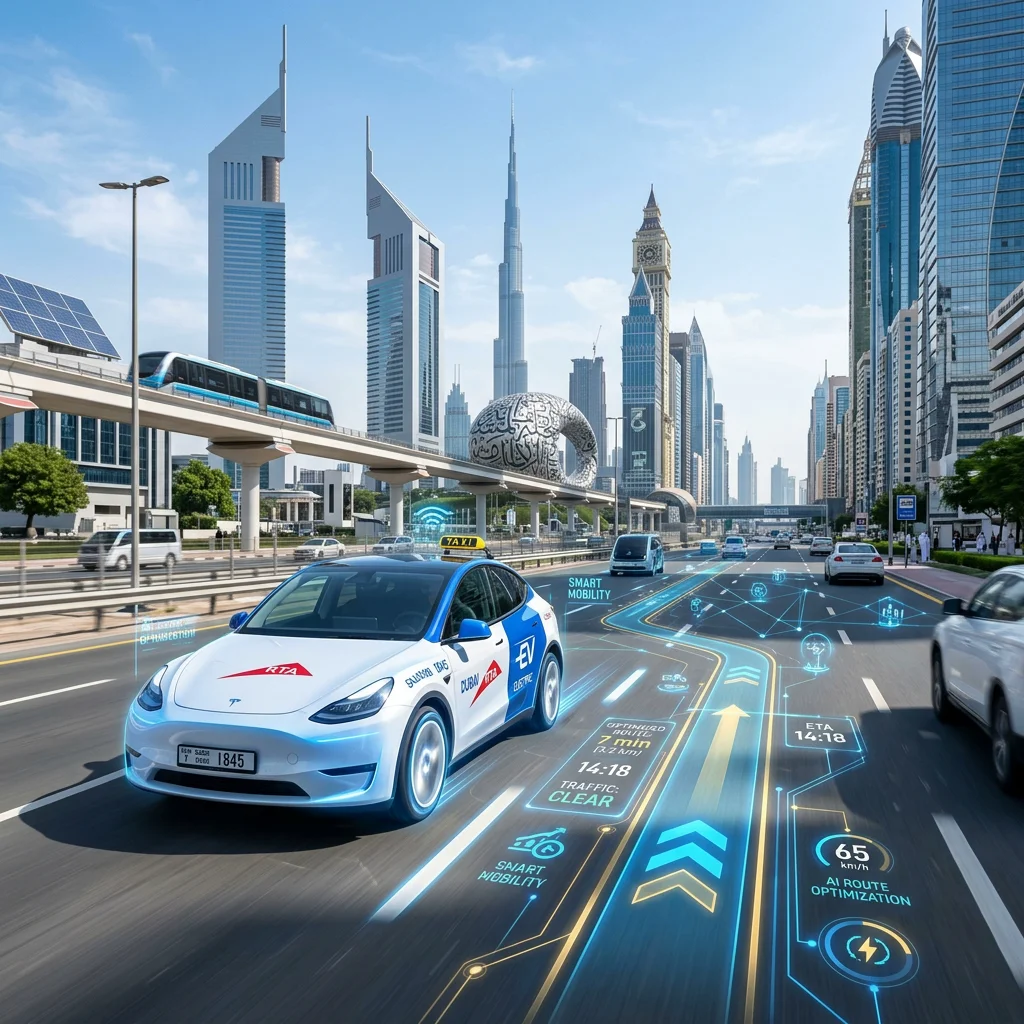
DTC is accelerating its shift toward a zero-emission fleet. The company aims to achieve a 100% electric taxi and limousine fleet by 2040, with interim targets of 30% by 2030 and 50% by 2035. To support this, a strategic partnership with DEWA will see the installation of 208 charging points across 11 locations, with ultra-fast chargers scheduled for deployment in Q2 2026.
AI and Smart Mobility
Artificial intelligence is now central to DTC’s command structure. Through its EV Mobility Intelligence Platform, developed in collaboration with Presight AI, the company utilizes predictive analytics and automated decision-making to optimize routes and forecast demand in real-time.
Future Integration: Air Taxis and Beyond
As Dubai prepares for the launch of air taxi services by 2026, Alfalasi positions DTC as a critical partner in the "first- and last-mile" ecosystem. With a fleet of over 11,000 vehicles, the company will serve as the primary link between vertiports and final destinations, ensuring a seamless multi-modal transport network.
"Our operations have remained fully functional... with no structural disruption to service delivery. The impact we have seen is demand-driven rather than operational, and that is an important distinction," stated Mansoor Rahma Alfalasi, Group CEO.
Market Outlook
Despite global fuel price volatility—which Alfalasi noted is managed through regulatory tariff adjustments—the outlook for DTC remains steady. Supported by Dubai's population surpassing 4 million and a booming delivery market projected to reach Dh6 billion by 2030, the company expects sustained performance through the coming quarters.