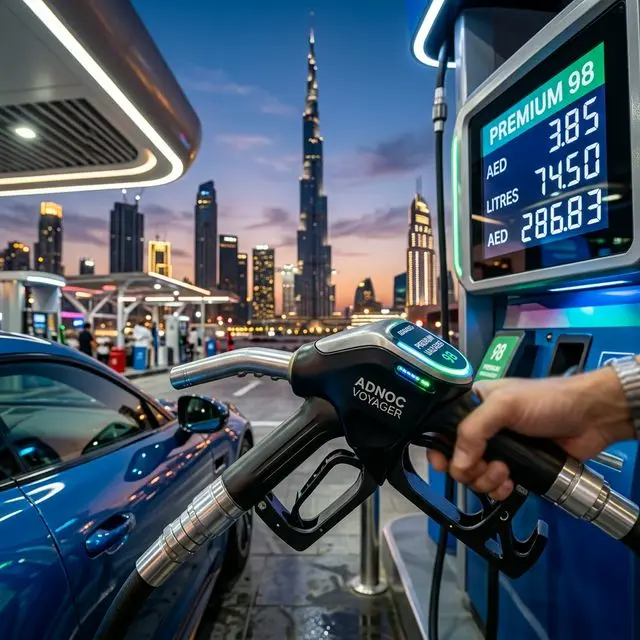
Motorists in the UAE are preparing for a substantial increase in fuel costs as the government prepares to announce April 2026 rates on March 31. Following a volatile month for global energy markets, experts warn that prices could approach historic highs last seen during the peak of the Russia-Ukraine conflict.
The Geopolitical Catalyst: Conflict in the Gulf
The primary driver behind the anticipated hike is the escalating regional military conflict. The crisis has fundamentally destabilized the energy supply chain:
- Strait of Hormuz Closure: The vital waterway remains inaccessible to tankers due to the war.
- Infrastructure Attacks: Targeted strikes on energy projects in Iran and Qatar have sparked fears of a long-term global supply crunch.
- Brent Surge: Brent crude prices skyrocketed by 54% in just three weeks, jumping to a peak of over $118 per barrel last week.
Comparison: March vs. Projected April Rates
In March 2026, the UAE Fuel Price Committee implemented a modest increase. However, the average Brent closing price in March soared to over $92—a massive leap from February’s $68.92 average.
| Fuel Grade | March 2026 Price (Actual) | February 2026 Price |
|---|---|---|
| Super 98 | Dh2.59 | Dh2.45 |
| Special 95 | Dh2.48 | Dh2.33 |
| E-Plus 91 | Dh2.40 | Dh2.26 |
| Diesel | Dh2.72 | Dh2.52 |
Analysts are drawing parallels to June 2022, when prices famously crossed the Dh4 per litre threshold. While current rates are starting from a lower base, the 54% rally in crude this month suggests a "big jump" is inevitable.
Global Ripple Effects
The UAE is not alone in this trend. Many nations have already adjusted their domestic fuel rates upward to absorb the $39.32 per barrel increase seen since late February. With Brent currently trading near $112.19, the buffer provided by previous price freezes is rapidly eroding.