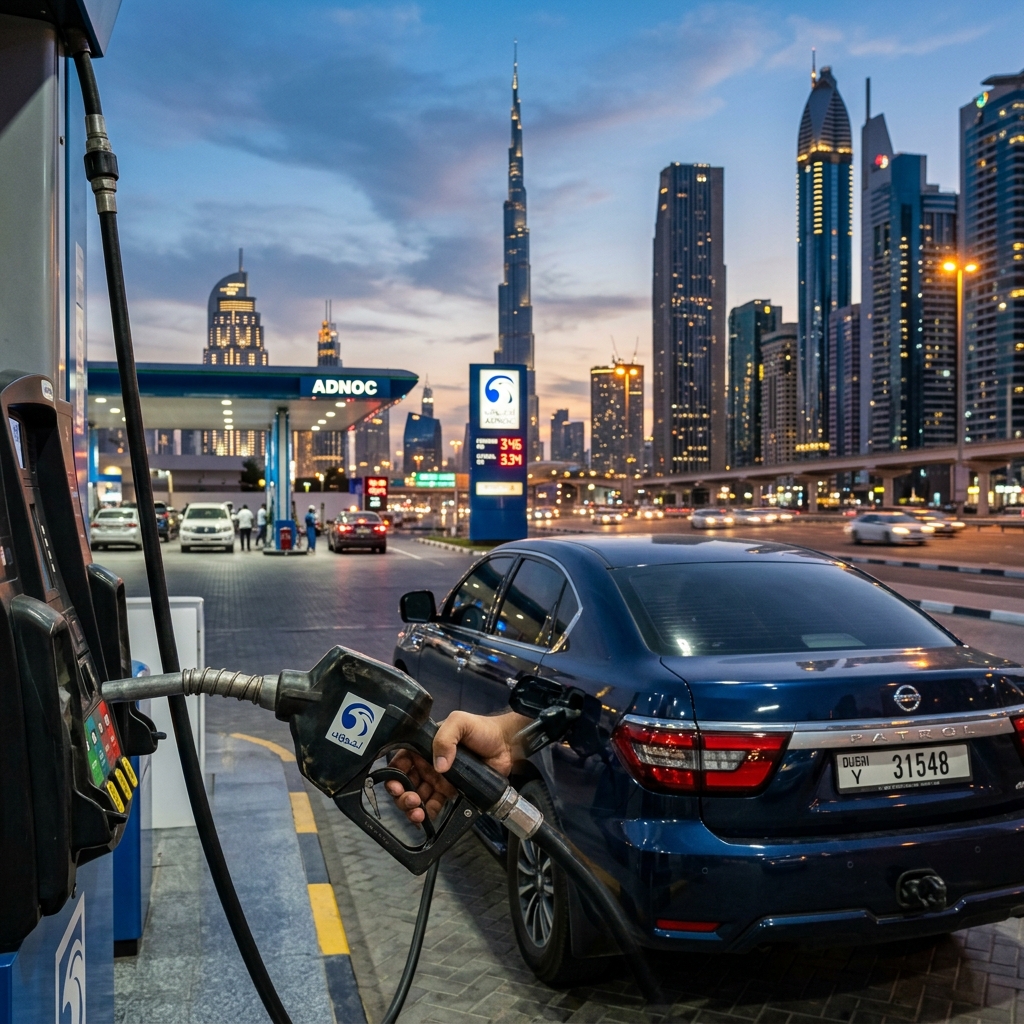
For UAE motorists, the end of the month has become a high-stakes ritual. As the Fuel Price Committee prepares to announce rates for April 2026, the backdrop is one of extreme contrast: a year of steady declines followed by a sudden, sharp return to global volatility.
Since deregulation in 2015, the UAE has operated on a liberalized model, where pump prices act as a real-time mirror of the international oil market. This month, that mirror is reflecting a world gripped by supply shocks and geopolitical tension.
The March Rebound
To understand the pressure on April’s prices, one must look at the "March Spike." After hitting multi-year lows in early 2026, prices surged as regional conflicts and disruptions sent shockwaves through energy corridors.
- The Surge: Brent crude, the global benchmark, skyrocketed by over 50% in a single month, flirting with the $120 per barrel mark.
- The Local Impact: March prices already saw a modest uptick—Super 98 rose to Dh2.59, while Special 95 hit Dh2.48.
While prices have since stabilized around $115 per barrel, the "average window" used by the committee to calculate April’s rates will likely be heavily weighted by this period of peak volatility.
How the UAE Compares: Subsidies vs. The Market
The UAE’s monthly adjustment system places it in a unique position compared to its neighbors and global peers. Because the government does not fix or heavily subsidize fuel, local prices react with a "short lag" to world events.
| Country | Price Trend | Reason |
|---|---|---|
| UAE | Liberalized / Volatile | Directly linked to global benchmarks (Murban/Brent). |
| Saudi Arabia | Stable / Fixed | Prices are regulated and largely shielded from market swings. |
| Nigeria / Philippines | Sharp Spikes | Facing increases of up to 80% due to supply shortages. |
| India / China | Controlled | Government intervention via tax cuts or export controls. |
The Strait of Hormuz Factor
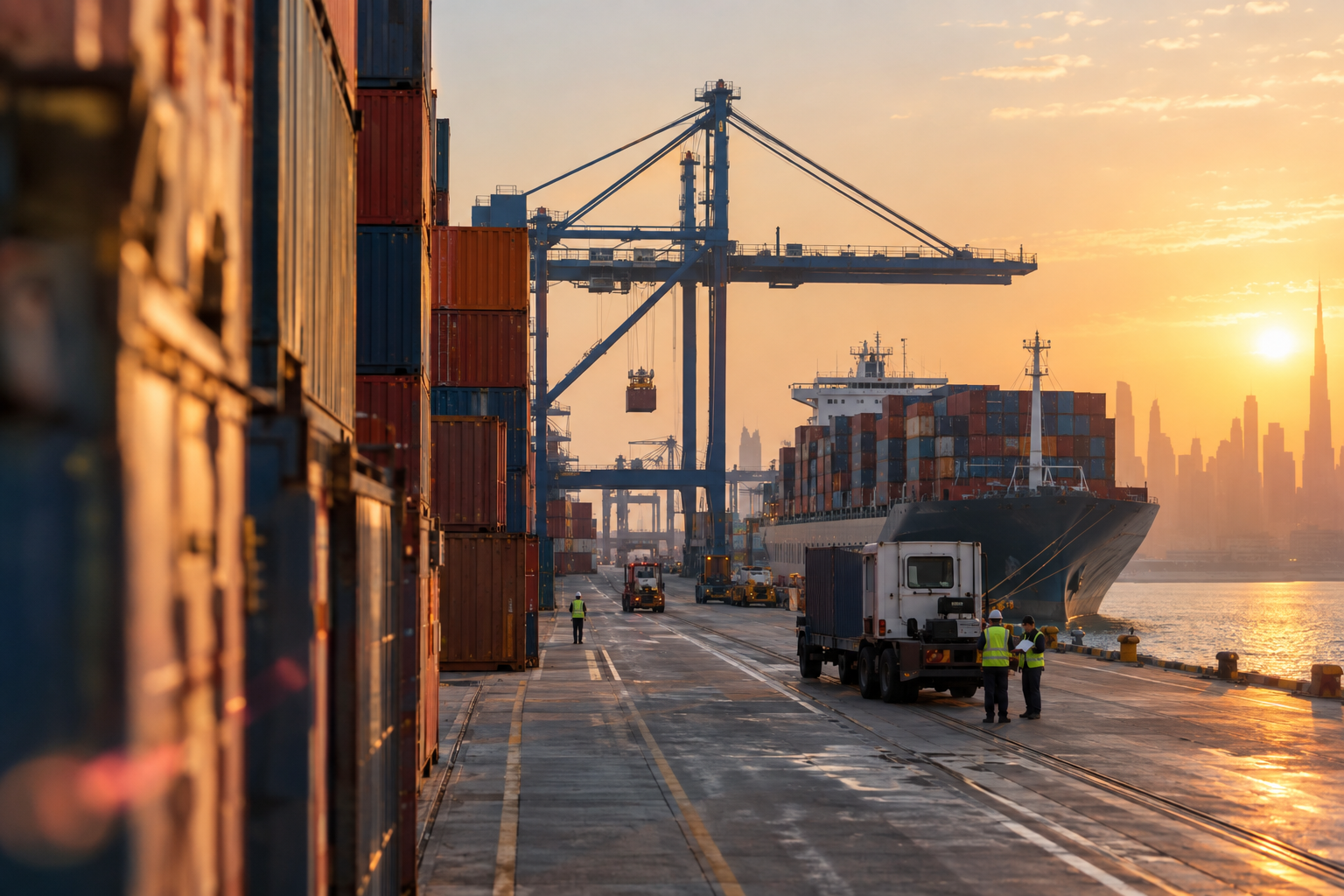
The current market is less about "demand" and more about "logistics." The International Energy Agency has characterized recent disruptions at the Strait of Hormuz—the world’s most critical oil chokepoint—as one of the largest in history.
For the UAE Fuel Price Committee, the challenge is balancing this supply risk against the recent, slight cooling of crude prices. While the spike has receded, the floor remains significantly higher than it was in February.
What Motorists Should Expect
As the announcement looms, analysts suggest a "narrow range of outcomes for fuel prices."
- A Modest Rise: Reflecting the higher average cost of crude throughout March.
- Stabilization: If the committee weighs the late-month pullback more heavily, prices could hold near current levels.
- The "Risk Premium": Given that emergency reserves are currently being released worldwide to keep markets afloat, a significant drop is the least likely scenario.
For the millions of drivers in the Emirates, April will be a definitive test of the liberalized pricing model—a reminder that in a globalized economy, the price at the local pump is always connected to a much larger, and often more turbulent, story.