Germany Is a Target. Here Is Why.
German tourists are among the highest-spending and most reliably repeat-visiting travellers in the world. Germany ranks consistently as one of the top source markets for outbound tourism globally, and within the UAE, German arrivals have been climbing steadily for several years. So when Ajman Tourism decided to focus its European expansion efforts, Germany was an obvious starting point.
The emirate has been quietly but deliberately building relationships with German tour operators, travel agencies, and destination management companies. What was once an informal interest has now moved into formal signed agreements, with multiple German travel partners committing to promote Ajman as part of their UAE itinerary offerings.
Germany is one of the largest outbound tourism markets in the world. Ajman securing even a modest share of German arrivals would represent a meaningful boost to its annual visitor numbers.
What Ajman Is Selling to European Visitors
Ajman's pitch to German travellers is rooted in authenticity and contrast. While Dubai and Abu Dhabi dominate the UAE tourism narrative, Ajman offers something those cities cannot easily replicate: a quieter, more traditional Gulf experience at a noticeably lower price point.
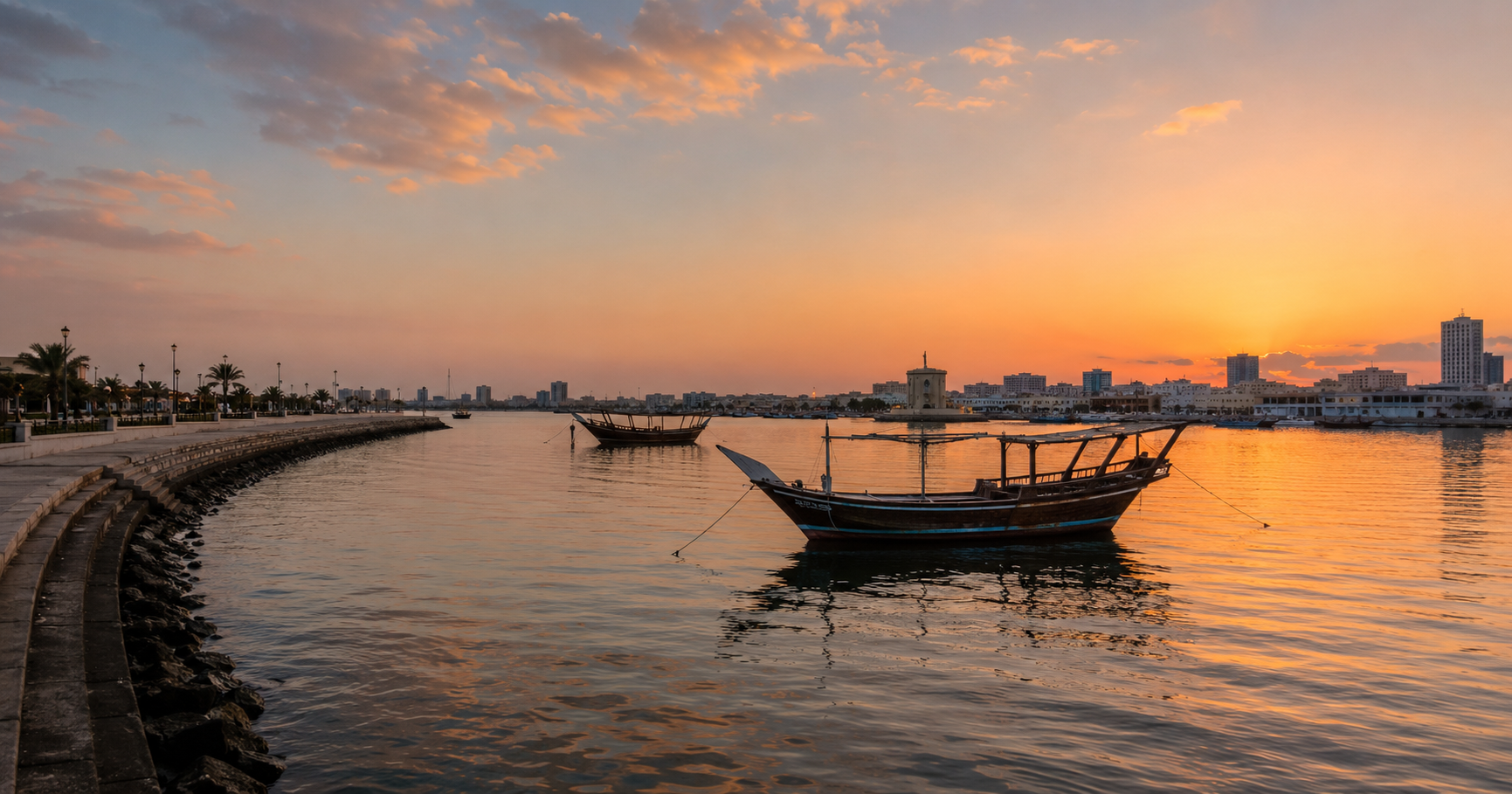
The emirate has genuine assets to offer. Its coastline runs along the Arabian Gulf with clean beaches that are less crowded than Dubai's. The old souk and the Ajman Museum, housed in an 18th-century fort, give visitors a tangible connection to the region's history. Family-friendly facilities, competitive hotel rates, and proximity to Dubai International Airport round out the practical appeal.
For German travellers who have already visited Dubai and are looking for something more off the beaten path on a return trip, Ajman represents a credible alternative. Tourism officials are leaning into that positioning rather than trying to compete head-on with the UAE's bigger names.
Active Presence at International Trade Events
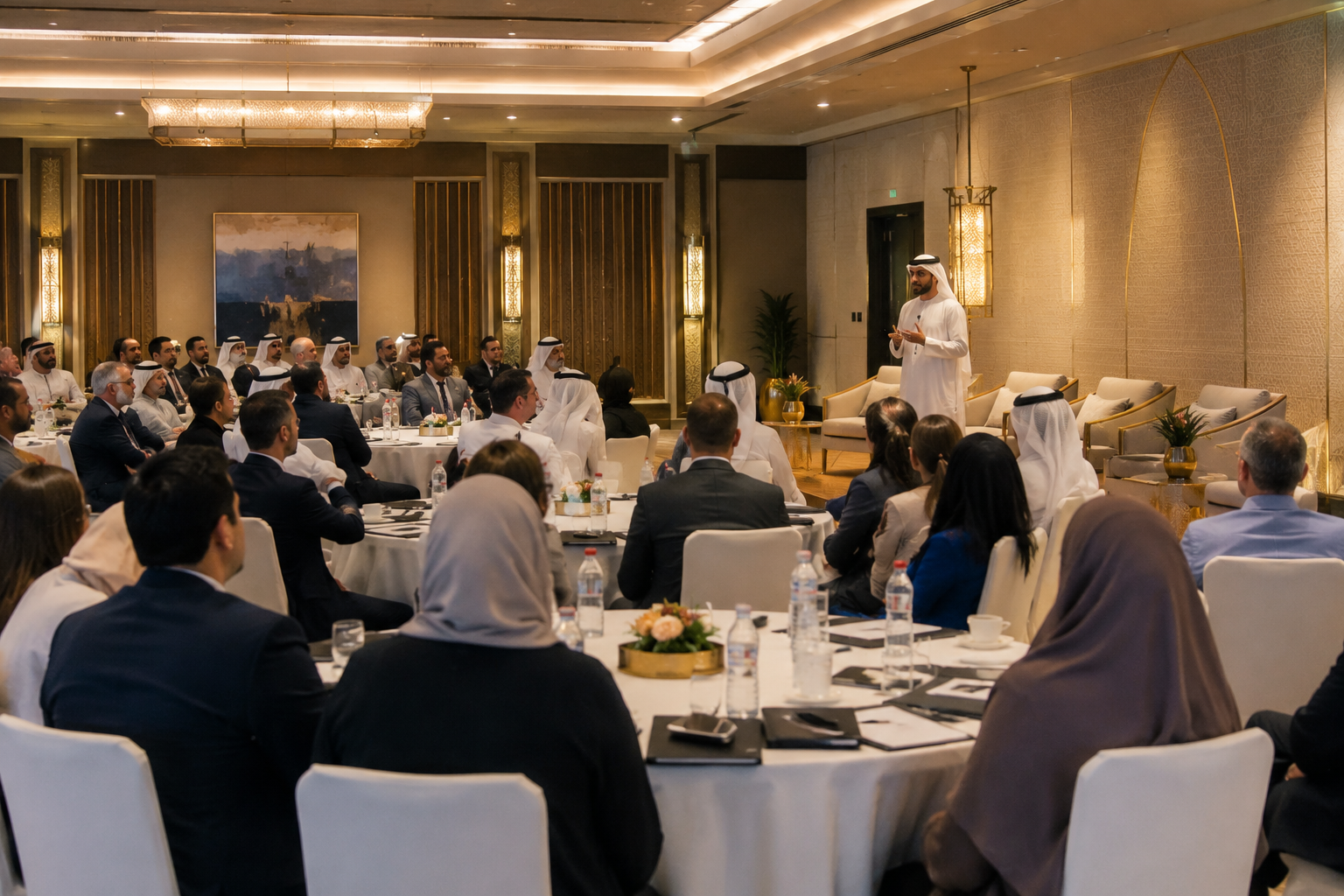
Ajman's tourism authority has stepped up its presence at major European travel trade events, including industry gatherings in Germany, to build direct relationships with decision-makers at tour operators and travel agencies. These are not passive stands at trade fairs. Ajman representatives have been holding structured meetings and following up with bilateral cooperation agreements.
The approach mirrors what other smaller UAE emirates have done successfully. Ras Al Khaimah, for example, built significant European visitor numbers over the past decade by showing up consistently at events like the ITB Berlin and following through on partnership commitments. Ajman appears to be reading from a similar playbook. For context on how UAE aviation connects these routes, Oman Air's new direct Dubai to Salalah route illustrates how regional connectivity continues to expand.
Consistency at trade events matters more than headline-grabbing stunts. Ajman's strategy of showing up repeatedly and converting contacts into formal agreements is the same approach that helped Ras Al Khaimah build its European visitor base.
Ajman Vision 2030 and the Tourism Imperative
Tourism is not a side project for Ajman. It sits at the core of the Ajman Vision 2030 strategy, which targets meaningful economic diversification away from dependence on any single sector. Increasing international tourism revenues is one of the plan's primary levers, and Germany represents exactly the kind of high-value, sustained source market the emirate needs to attract.
Officials have been explicit that sustainable tourism development, not short-term visitor spikes, is the goal. That means building relationships with operators who will include Ajman in their packages year after year, not just during major events or promotional periods. It also means investing in the infrastructure and service quality needed to convert first-time visitors into repeat ones.
The broader context matters here, too. The UAE Golden Visa programme has already attracted significant European long-term interest in the UAE as a destination to live and work. Tourism partnerships with Germany could eventually feed a pipeline of visitors who become longer-term residents or property buyers in the emirate.
The Competitive Landscape
Ajman is not the only emirate competing for European visitors. Ras Al Khaimah has a well-established position in the adventure and eco-tourism segment. Fujairah has been growing its diving and beach tourism credentials. Even Sharjah, which recently drew 96,000 visitors to its jewellery show alone, has been investing heavily in cultural tourism. Ajman needs a clear and defensible niche to avoid getting lost in the noise.
The German market focus, combined with a positioning around authentic cultural heritage and value-for-money hospitality, gives Ajman a workable angle. The key test will be whether the formal partnerships signed this year translate into actual package inclusions and visitor numbers over the next twelve to twenty-four months.