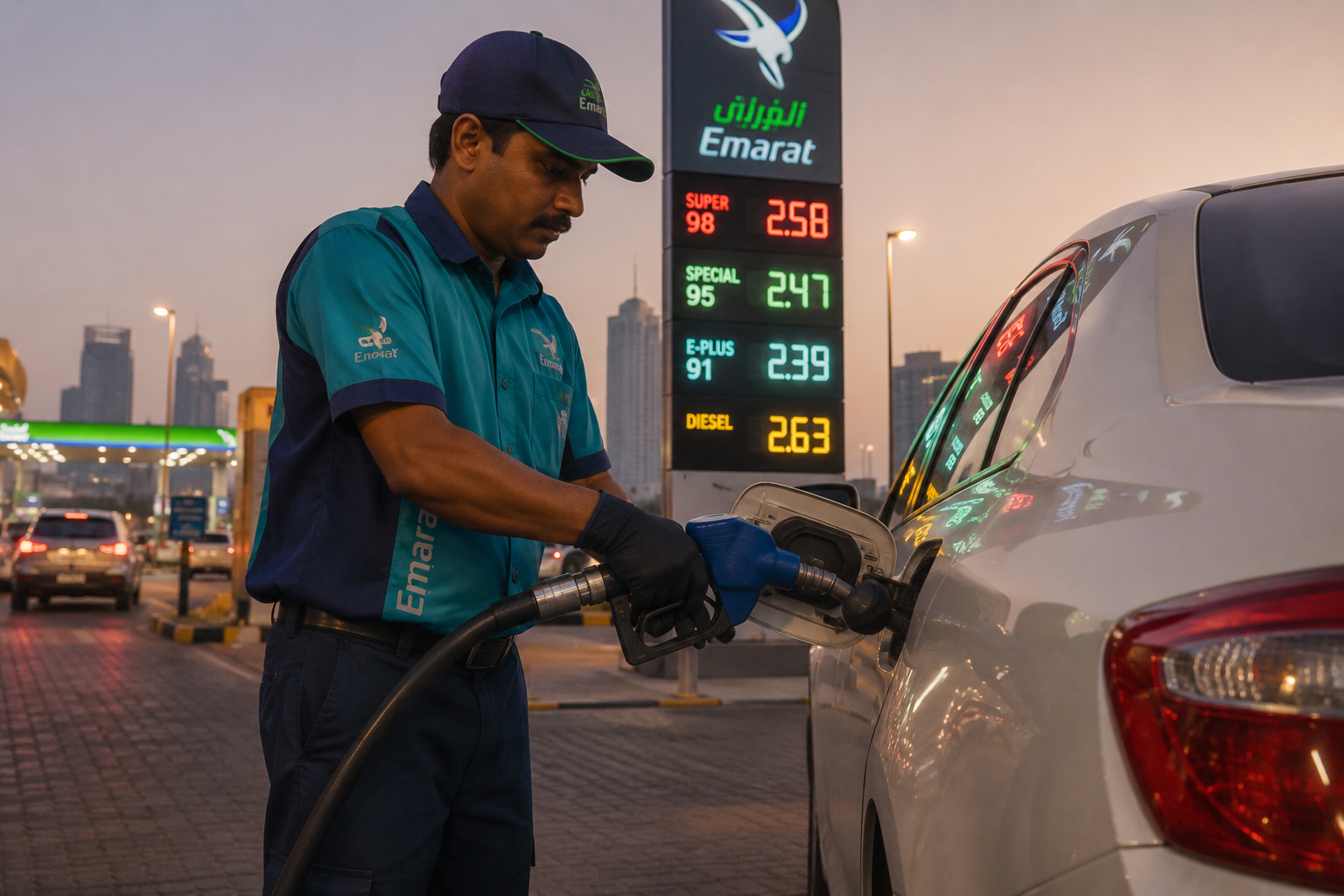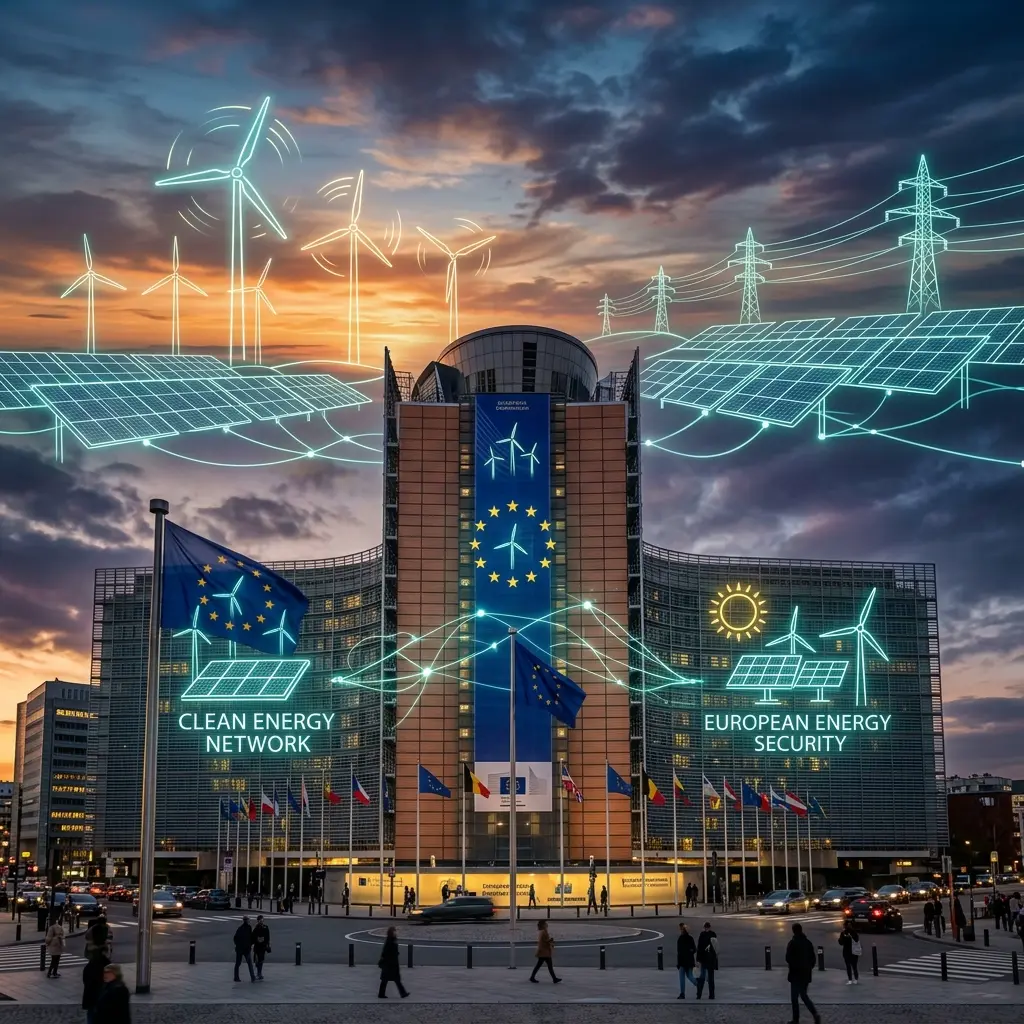
In a decisive move to break Europe’s cycle of fossil fuel dependency, the European Commission has unveiled a sweeping emergency energy package. The strategy follows a staggering €24 billion increase in the bloc’s fuel import bill—a cost hike triggered by the ongoing Middle East crisis.
The plan was presented ahead of the informal leaders’ summit in Cyprus, positioning energy security as the centerpiece of Europe's immediate economic and security agenda. This shift highlights the global urgency for transition, similar to the UAE's Dh160 billion energy roadmap.
Immediate Relief: Shielding Households and Industry
To combat the sudden spike in costs, Brussels is authorizing a "toolbox" of short-term interventions designed to protect the most vulnerable segments of the economy:
- Consumer Safety Nets: Implementation of income support schemes and energy vouchers.
- Tax Breaks: Temporary reductions in electricity excise duties for households.
- Industrial Lifelines: A new State Aid Temporary Framework to subsidize energy-intensive industries.
Structural Shifts: The "Homegrown" Energy Mandate
European Commission President Ursula von der Leyen framed the crisis as a turning point, stating: "We must accelerate the shift to homegrown, clean energies. This will give us energy independence and security."
Key structural pillars include the Electrification Action Plan, slated for release this summer, and Strategic Repowering to modernize wind and hydropower plants. To safeguard the transport sector, a new EU Fuel Observatory will be established to track production and stock levels across the bloc.
The €660 Billion Financing Challenge
The Commission acknowledged a massive funding gap, noting that the energy transition requires €660 billion annually through 2030. To meet this, they will host a Clean Energy Investment Summit, aiming to bridge the gap by uniting institutional investors with industrial and public financiers.
By aligning immediate financial relief with long-term grid overhauls, the EU hopes to ensure that future global crises find Europe powered by its own sun, wind, and water, rather than volatile foreign markets.